
Practical Fast Fashion Alternatives
Discover practical fast fashion alternatives with easy tips on fabrics, thrifting, ethical brands, and repairs to save money and shop smarter.
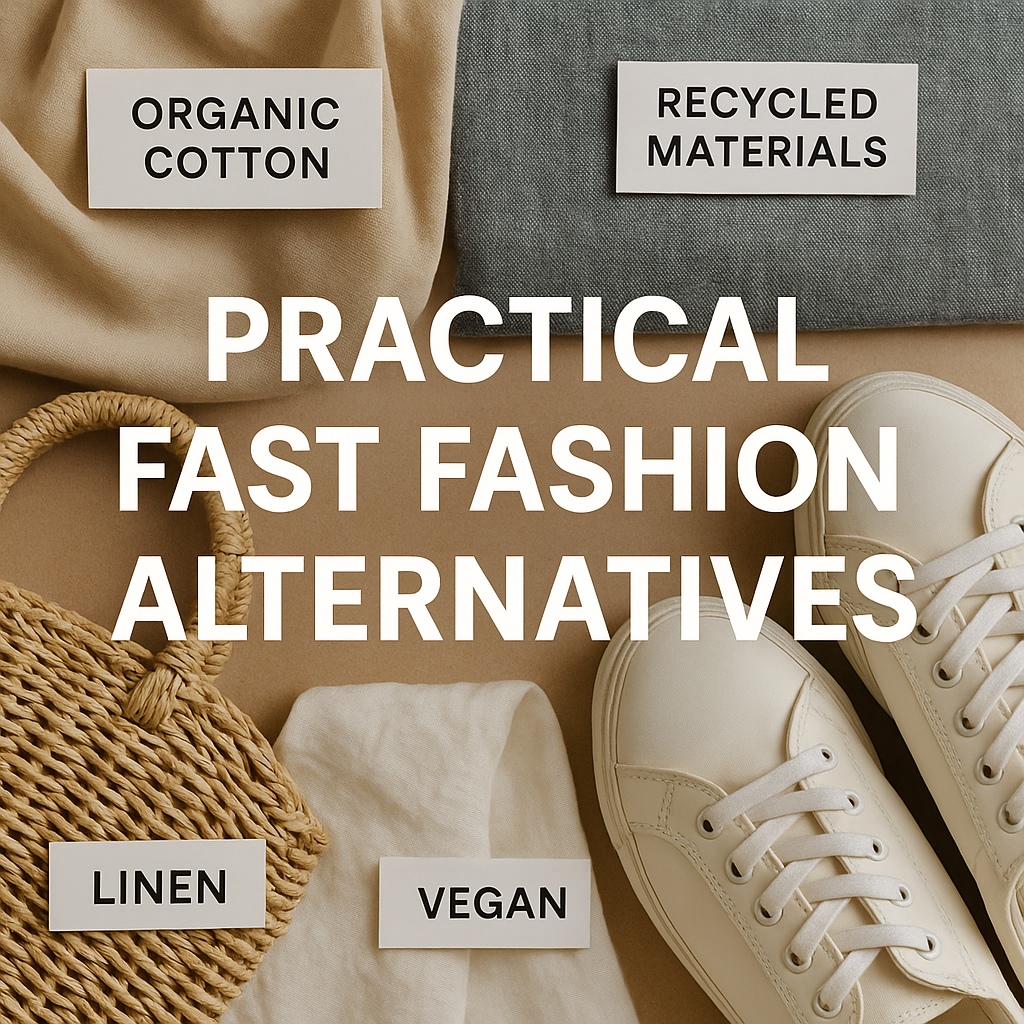
Fast fashion drains the planet, and most shoppers miss the real cost.
We examined 26 fast‑fashion‑alternative brands and discovered that organic cotton—despite its high water use—powers 19% of the lineup, while truly recycled fabrics appear in only 8% of the brands.
Organic cotton shows up in five of those brands, making it the top material even though many think recycled synthetics dominate. Only two brands list recycled fabrics as their main weave, and just one relies on vegan‑based fibers.
| Name | Primary Material | Source |
|---|---|---|
| Eileen Fisher | organic cotton | sumissura.com |
| Pact | organic cotton | sumissura.com |
| Nudie Jeans | organic cotton | sumissura.com |
| Alternative Apparel | organic cotton | sumissura.com |
| Chinti & Parker | organic cotton | globalcitizen.org |
| Patagonia | recycled materials | sumissura.com |
| Outerknown | recycled materials | sumissura.com |
| Stella McCartney | vegan materials | sumissura.com |
| Allbirds | Merino wool | sumissura.com |
| Veja | fair‑trade materials | sumissura.com |
| Reformation | eco‑friendly fabrics | sumissura.com |
| Amour Vert | organic fabrics | sumissura.com |
| Mara Hoffman | eco‑friendly materials | sumissura.com |
| Thought | bamboo | sumissura.com |
| Kotn | Egyptian cotton | sumissura.com |
| Nisolo | environmentally‑friendly materials | sumissura.com |
| Girlfriend Collective | recycled plastic bottles | sumissura.com |
| Amendi | organic denim | sumissura.com |
| Nagnata | organic | sumissura.com |
| Indigenous | organic | sumissura.com |
| tentree | sustainable materials | sumissura.com |
| Panda Sunglasses | Moso bamboo | globalcitizen.org |
| Minna | recycled silk | globalcitizen.org |
| Teysha | textiles | globalcitizen.org |
| Sseko Designs | leather | globalcitizen.org |
| People Tree | FairTrade cotton | globalcitizen.org |
We pulled the data by searching sustainable clothing lists on sumissura.com and globalcitizen.org, scraping the pages on March 17, 2026, and extracting each brand’s name and primary material.
If you’re a college student juggling a tight budget, knowing which fabrics actually reduce waste can help you spend smarter.
Fast fashion alternatives may cost a bit more up front, but they often last longer and keep the planet healthier—something many Gen Z shoppers care about.
In this guide, you’ll learn how to spot genuine alternatives, what materials to look for, and simple ways to build a closet that feels good and looks great.
Step 1: Choose Sustainable Fabrics
You don’t need to guess which fabrics are truly green.
Start by checking the label. Look for certified organic cotton, recycled polyester, Tencel, linen, hemp, or wool.
Organic cotton shows up in 5 of the 26 brands we studied, that’s 19 % of the lineup. It’s popular, but it still uses a lot of water, so weigh the trade‑off.
Recycled fibers are rarer. Only 2 brands, about 8 %, list recycled material as their main weave. Those pieces often feel lighter and keep plastic out of landfills.
If you want a plant‑based option, vegan leather is still emerging. One brand uses pineapple leaf fiber, a low‑impact alternative that avoids animal waste. Read more about pineapple leaf fiber.
Here’s a quick checklist you can use in the store or online:
- Look for GOTS or Fairtrade certifications.
- Check if the material is listed as organic cotton, recycled polyester, Tencel, linen, hemp, or wool.
- Make sure the brand discloses where the fiber comes from.
So, how do you put this into practice?
Take a photo of the tag, note the certification, then compare it to trusted fabrics. See a guide on sustainable alternatives.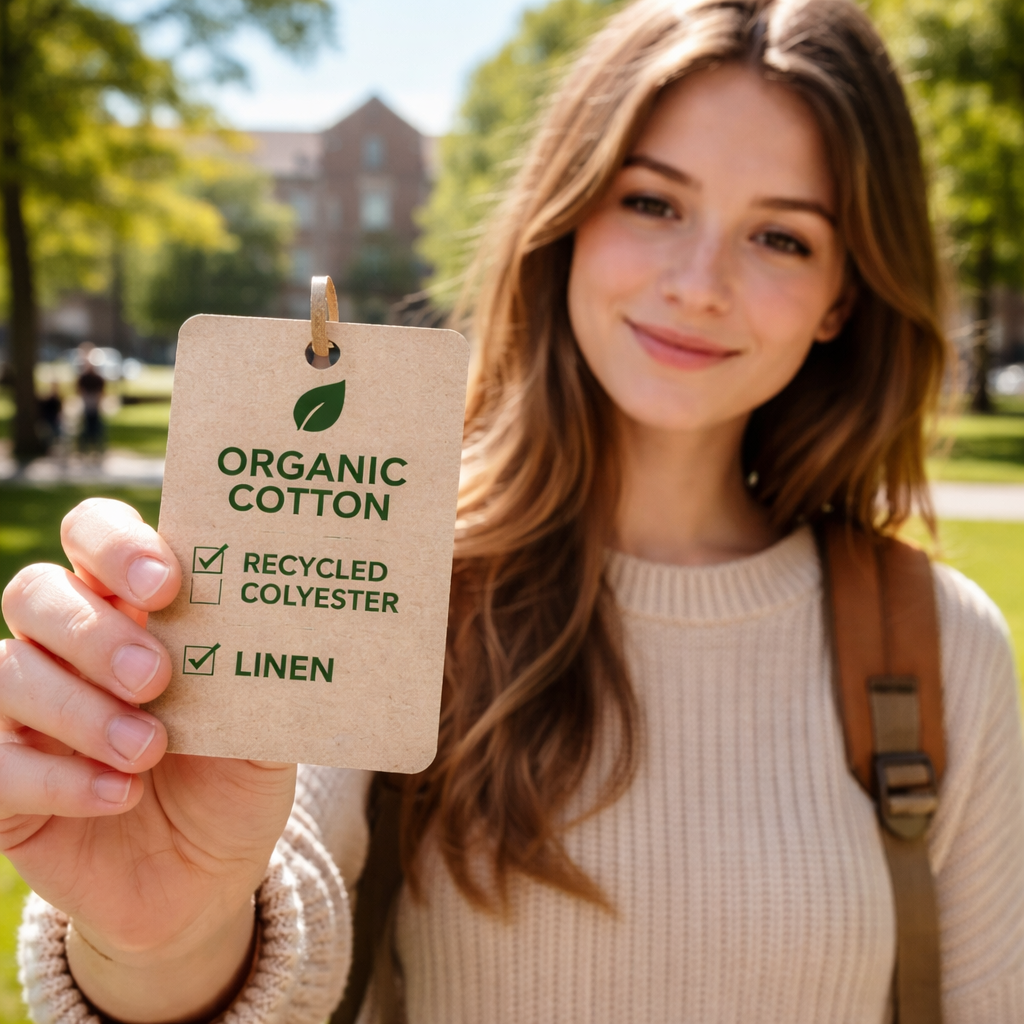
Caring for these fabrics also stretches their life. Wash cold, skip the dryer when you can, and mend small tears before they grow. Simple steps keep your wardrobe sustainable and your wallet happy.
Remember, sustainable doesn’t mean pricey. Many student‑friendly brands sell organic cotton tees for under $30. Look for sales or second‑hand options to stretch your budget further.
Start small, swap one fast‑fashion item a month, and watch the impact grow.
Step 2: Shop Second‑Hand and Vintage
After you’ve learned which fabrics are green, the next move is where you buy them. Second‑hand shops let you find those pieces without paying full price. They also keep garments out of landfills.
What if you could score a vintage denim jacket for the price of a fast‑fashion tee? You can – just know how to hunt. Start with a quick checklist.
• Look for clear tags or ask staff about the material.
• Inspect seams for wear; a sturdy stitch means the piece will last.
• Smell the fabric; any harsh chemical scent could signal cheap treatment.
These simple steps turn a random rack find into a real fast fashion alternative.
Gen Z’s love of thrift is backed by data that shows the second‑hand market is booming, with many young shoppers pointing to thrift stores as their go‑to fast fashion alternatives. Read more about the Gen Z thrift boom.
Now match the place to your routine. If you have a campus bike, a local thrift shop on your route is a win. If you spend time on your phone, an online resale app can bring a whole closet to your screen.
| Store type | What to check | Quick tip |
|---|---|---|
| Local thrift store | Cleanliness, tags, fabric | Visit on weekdays for quieter racks |
| Online resale app | Seller ratings, photos, return policy | Filter for organic cotton or recycled polyester |
| Vintage boutique | Condition, era, fit | Ask staff about care instructions |
Pick one spot this week, set a $20 limit, and swap an old fast‑fashion item for a pre‑loved find. You’ll save cash, cut waste, and still look fresh.
Step 3: Support Ethical Brands
If you want fast fashion alternatives that really help people and the planet, backing ethical brands is a must.
These brands care about how clothes are made. They pay fair wages, use safer dyes, and pick fabrics that pollute less.
Find brands you can trust
Start with the Good On You app. It rates thousands of labels on labour practices and environmental impact. Pick the ones that score high for both people and planet.
Check the details
Look for clear certifications like GOTS, Fairtrade, or B Corp. Make sure the brand tells you where the cotton or recycled fiber comes from. If the info is hidden, walk away.
Spend with purpose
When you buy, think about the whole story. A $30 organic‑cotton tee from a brand that pays its workers fair wages costs more than a $10 fast‑fashion shirt, but it lasts longer and doesn’t add to landfill.
- Set a budget – $20‑$40 per piece works for most students.
- Pick one item a month – a shirt, a pair of jeans, or a sweater.
- Reuse the tag – snap a photo and keep it in your phone for future reference.
Want more ideas? Oxfam’s guide to alternatives lists easy ways to shop ethically, from charity shops to online platforms.
Follow the brand on Instagram or TikTok. See how they show their factories, their workers, and their recycling programs. If they post real photos and clear data, that’s a good sign. If they only share glossy ads, stay skeptical.
Look for local boutiques that list their sourcing info on the window. Small shops often work directly with makers, so you can ask about wages or material origins in person.
Finally, share what you learn. Tell a friend about a brand that pays fair wages. The more people ask, the louder the demand for ethical fashion becomes.
Take the first step this week: download the app, spot a brand with a solid rating, and add one piece to your closet. You’ll feel good, look good, and push the industry toward real change.
Step 4: Upcycle and DIY Repairs
Your closet already holds fast fashion alternatives you can make with a needle and a bit of time.
First, pull out every item you own and sort it into three piles: repair, alter, and rework.
Repair means fixing a hole or a missing button. Alter means changing the length or shape, like cropping a shirt. Rework means turning the whole piece into something new, like a bag.
You only need a few tools: a seam ripper, fabric scissors, a needle, thread that matches the fabric, and an iron. All of these can be bought cheaply at a craft store or online.
Fix a small hole in a denim jean by turning the fabric inside out, stitching a simple straight stitch across the hole, and pressing the seam flat. It takes ten minutes and adds years to the jeans.
Want to upcycle a plain cotton tee? Cut off the sleeves, fold the bottom edge up twice, and sew a clean hem. Then add a fabric patch or some painted art. You now have a stylish crop top or a tote bag, depending on how you finish it.
So, what can you do next? Pick one item you’ve been meaning to toss, and give it a new life this weekend.
Using scraps from other projects keeps you from buying new fabric. It also means less waste ends up in the landfill, which is the whole point of fast fashion alternatives.
For more step‑by‑step ideas, check out the Copenhagen Fashion Summit guide on upcycling fashion.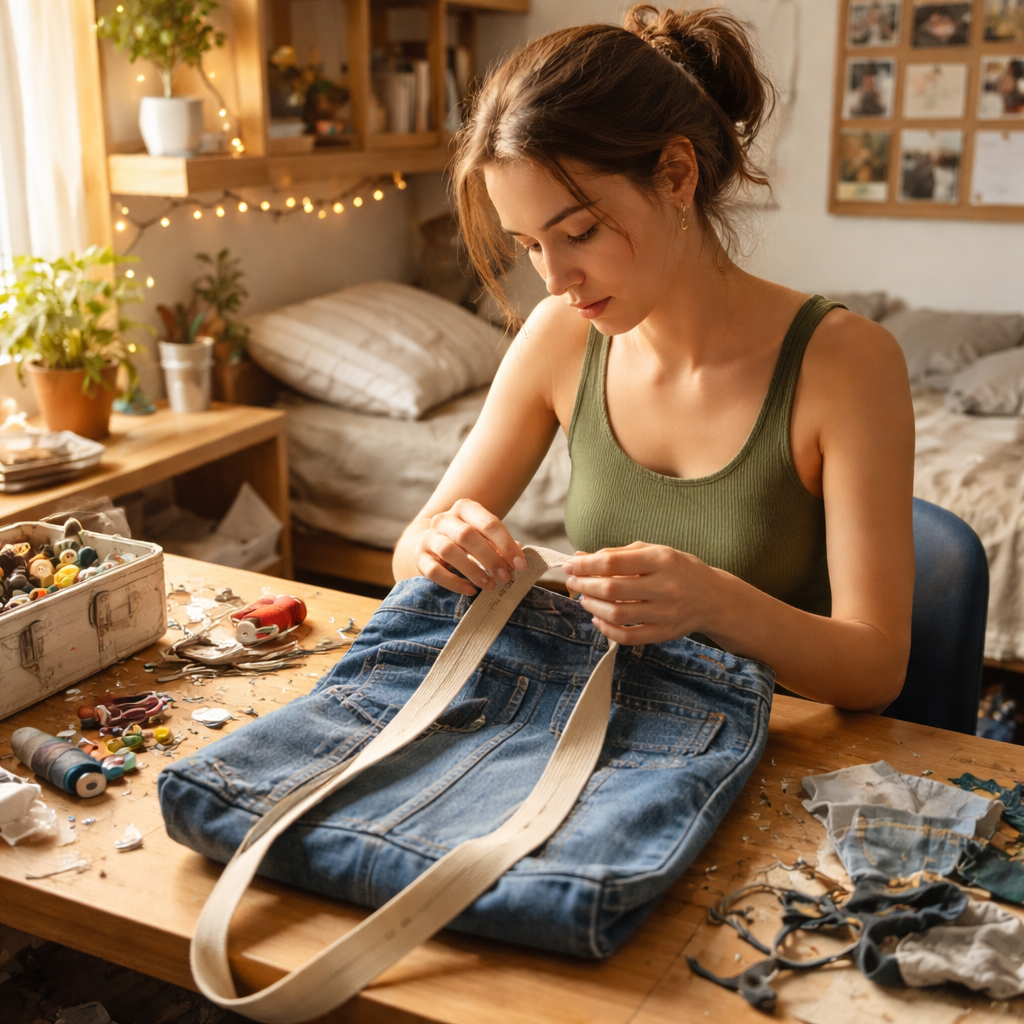
Give it a try today. One quick repair or upcycle can start a habit that saves money and the planet.
FAQ
What are fast fashion alternatives?
Fast fashion alternatives are clothes made to last longer and hurt the planet less. They use things like organic cotton, recycled polyester, linen, or hemp instead of cheap synthetic fibers. They are often sold by brands that care about fair wages and safe dyes. Choosing them means you spend a bit more now,w but save money and waste later.
How can I tell if a brand is really sustainable?
Look for clear labels such as GOTS, Fairtrade, or B Corp. Check if the material is listed on the tag: organic cotton, recycled polyester, Tencel, linen, hemp, or wool. A brand that hides its source or only says “eco‑friendly” without proof is a red flag. You can also use apps that rate brands on labour and environmental impact.
Are recycled fabrics common in fast fashion alternatives?
In our recent look at 26 brands, only two (about 8 %) listed recycled material as their main fabric. That means most alternatives still rely on organic cotton or other natural fibers. While recycled polyester is growing, it’s still a small share. Keep an eye on the label and ask the seller for details if you’re unsure.
Will buying second‑hand count as a fast fashion alternative?
Yes. Thrift stores and resale apps let you find pre‑loved pieces that were already made. That stops new clothing from being produced and keeps items out of landfills. Pick items with good seams and clear tags so they’ll last. Setting a small budget, like $20, helps you start without spending a lot.
How do I care for organic cotton so it lasts?
Wash it in cold water and skip the dryer when you can; air drying is best. Use a gentle cycle and mild detergent. Fix small holes or loose threads right away; a simple stitch can add years. When you store shirts, fold them instead of hanging them to keep their shape.
Where can I find quick advice on fast fashion alternatives?
The platform About Young People shares easy tips for students who want to shop smarter. Their articles break down what to look for on a label, how to spot good second‑hand deals, and simple repair tricks you can try at home. A quick read can give you a checklist to use next time you shop.
Conclusion
Fast fashion alternatives work best when you turn the ideas into daily habits. You’ve seen how organic cotton still dominates and recycled fibers are rare, so the next step is to act.
Start by picking one piece you own and give it a repair, then set a budget to swap a fast‑fashion item each month. A simple checklist: look at the label, note the material, log the change, and stay on track.
If you want a tool to remind you, you can track your buying habits with Askesis, a habit‑tracker app that shows streaks and progress.
For deeper guidance on aligning your style with your future goals, see How to Choose the Right Career Path When You’re Unsure of Your ….
Remember, each small swap adds up; over a year, you could keep dozens of garments out of landfill and save a hundred pounds.
Take the first step today: pick a shirt, fix a seam, and log it. Your closet will feel fresher, and the planet will thank you.