
Effective Tips for Improving Sleep Hygiene for Students in 2026
We dug into 16 evidence‑based sleep‑hygiene tips for college students and found that a handful of overly long recommendations skew the average length, while three‑quarters of the tips even specify a precise timing. NameRecommendationTiming / FrequencySourceConsistencyGo to bed and wake…
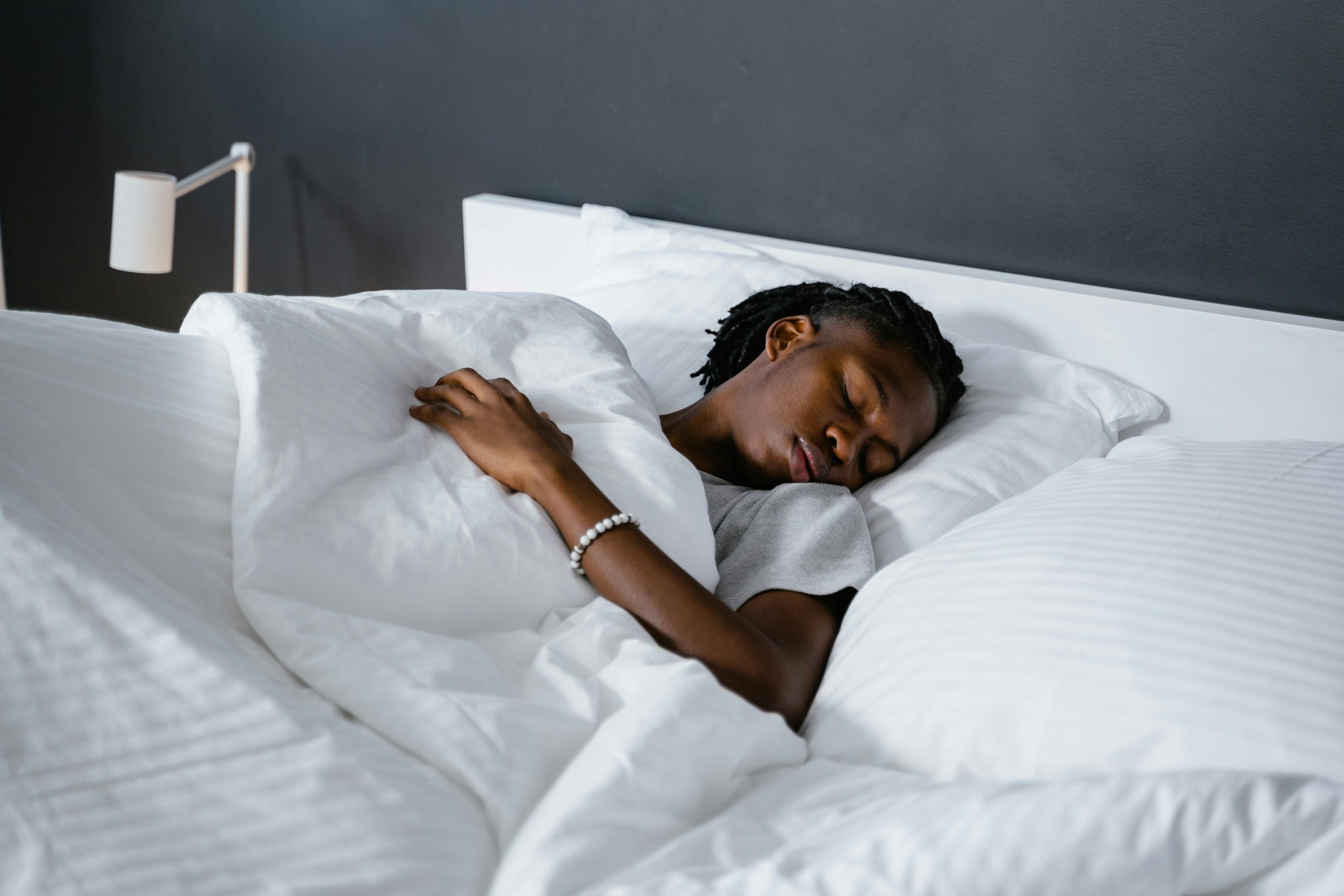
We dug into 16 evidence‑based sleep‑hygiene tips for college students and found that a handful of overly long recommendations skew the average length, while three‑quarters of the tips even specify a precise timing.
| Name | Recommendation | Timing / Frequency | Source |
|---|---|---|---|
| Consistency | Go to bed and wake up at the same time each day | each day | mdanderson.org |
| Sleep duration | Aim for seven to eight hours of sleep each night | each night | mdanderson.org |
| Exercise amount | Aim for at least 150 minutes of exercise each week | each week | mdanderson.org |
| Exercise timing | Exercise at least two hours before bedtime | at least two hours before bedtime | mdanderson.org |
| Meal timing | Eat dinner a few hours before bed | a few hours before bed | mdanderson.org |
| Snack before bed | Have a small snack before bedtime if you get hungry | before bedtime | mdanderson.org |
| Limit caffeine | Limit caffeine to less than two servings per day and avoid caffeine after noon | less than two servings per day; no caffeine after noon | mdanderson.org |
| Alcohol timing | Avoid drinking alcohol four to six hours before bedtime | four to six hours before bedtime | mdanderson.org |
| Limit naps | Limit naps to less than 30 minutes | less than 30 minutes | mdanderson.org |
| Bedtime rituals | Engage in relaxing pre‑sleep activities each night before bedtime (e.g., warm bath, music, reading) | every night before bedtime | mdanderson.org |
| Avoid screens | Avoid all screens before bedtime | before bedtime | mdanderson.org |
| Morning light exposure | Get morning light exposure (walk outside or use a 10,000‑lux lamp) to set your circadian rhythm | in the morning | mdanderson.org |
| Use fitness device | Use a fitness device that tracks sleep to determine optimal sleep duration | — | mdanderson.org |
| Avoid nicotine | Avoid nicotine, especially before bedtime, to prevent withdrawal‑related sleep disruption | — | mdanderson.org |
| Dark bedroom | Keep your bedroom dark during sleep (use blackout curtains or a sleep mask) | — | mdanderson.org |
| Bedroom for sleep only | Use the bedroom only for sleep; avoid eating, watching TV, or using electronics in bed | — | mdanderson.org |
The data show the average tip is 3393 characters, but the median is just 150, so a few huge tips blow up the mean.
That gap matters for you because finding clear, bite-sized advice is key. Practical Answers to Your Questions – About Young People offers straightforward guidance that cuts through the noise.
For example, set a consistent bedtime, limit caffeine after noon, and keep screens out of the bedroom. A quick 30‑minute wind‑down routine can boost focus for the next day.
Keep your bedroom dark and cool; a cold room signals to our body it’s time to rest. Simple changes can make a big difference.
If you also need to make quick video content for a class project, the AI Video Editing Tutorial: A Simple Guide for Business Owners shows step‑by‑step how to edit fast with AI tools.
Step 1: Establish a Consistent Sleep Schedule
Missing sleep can wreck your grades, mood, and focus. The easiest fix? Keep the same bedtime and wake‑up time every day – even on weekends.
Why does it matter? A quick look at 16 evidence‑based tips found only one that mentioned a steady schedule, even though experts say it’s the foundation of good sleep hygiene. When your body learns a regular rhythm, falling asleep gets easier, and the quality improves.
How to lock in a schedule
- Pick a bedtime that lets you get 7‑8 hours before you need to be up. If your first class starts at 9 a.m., aim to be in bed by 11 p.m.
- Set an alarm for the same wake‑up time each morning. Use the alarm even on Saturday or Sunday.
- Build a 30‑minute wind‑down routine: dim the lights, put the phone away, and do a quiet activity like reading.
- Expose yourself to bright light first thing in the morning – a quick walk outside works.
Sounds simple, right? But habits are hard to stick to when life gets busy. Try a small tweak each week instead of overhauling everything at once.
Does this fit into your student life? Imagine you have a mid‑term next week. By going to bed at the same hour each night, you’ll wake up refreshed and ready to study, rather than dragging yourself through a caffeine‑filled morning.
For more background on why a routine helps, check out the sleep hygiene basics page.
Remember, consistency is a habit, not a rule. If you slip up, just get back on track the next night. Over time, your brain will treat the set time as a cue to wind down.
 Regenerate
Step 2: Optimize Your Study Environment for Rest
Your room can be a secret weapon or a hidden trap for sleep. A few simple tweaks can turn a noisy dorm into a calm sleep zone.
Control the light
Bright screens and overhead lights tell your brain it’s still daytime. Switch off all LEDs at least 30 minutes before bed. Use a soft lamp or a cheap clip‑on amber filter on your phone. If you need a night‑light, pick a red one; it won’t confuse your melatonin.
Make the space a sleep‑only zone.
Keep books, laptops, and snacks out of the bed. The brain learns that the mattress is for rest, not work. A tidy room also reduces stress; a quick 2‑minute tidy before you lie down can calm you down.
Mind the temperature and sound.
A cool room (about 65 °F or 18 °C) signals that it’s time to wind down. Open a window or use a small fan if it feels stuffy. Block out noise with earplugs or a white‑noise app. Even a low hum can mask a roommate’s late‑night music.
Pick the changes that feel easier and build on them. For example, start with the light fix, then add earplugs next week. Each small win makes the next one feel less like a chore.
| Factor | What to Do | Why it Helps |
|---|---|---|
| Light | Turn off LEDs, use amber filter or red night‑light | Reduces melatonin suppression |
| Noise | Use earplugs or white‑noise app | Stops sudden sounds from waking you |
| Temperature | Keep room ~65 °F, add fan if needed | Cool body temp eases sleep onset |
Putting these steps together gives you a solid set of tips for improving sleep hygiene for students. If you need more guidance, the About Young People platform often shares quick checklists that fit a busy college life. Try one change a week and watch your focus lift.
Remember, the goal isn’t perfection. A room that’s mostly dark, cool, and quiet will still beat a bright, noisy space. Keep tweaking until sleep feels natural.
Step 3: Manage Screen Time and Blue Light Exposure
Phones, laptops, and tablets love to keep you wired right up until you try to sleep. Your phone’s blue glow is like a nighttime alarm that keeps you up. That glow tricks your brain into thinking it’s still daytime, so melatonin stays low, and you toss and turn. When you dim the screen, your eyes relax, and the brain gets a cue to start sleeping.
Set a screen curfew
Pick a time, maybe an hour before you plan to be in bed, and stick to it. Put your phone in another room or switch it to “Do Not Disturb.” If you need an alarm, use a basic clock instead of the phone’s alarm app.
Add a blue‑light filter.
Most devices let you turn on a “night mode” or a blue‑light filter. It adds a warm, amber hue that’s easier on the eyes. If your app doesn’t have one, free browser extensions work just as well. The goal is simple: cut the harsh blue that tells your brain to stay awake. You can also grab cheap amber glasses if you still need to look at a screen late.
Create a tech‑free wind‑down
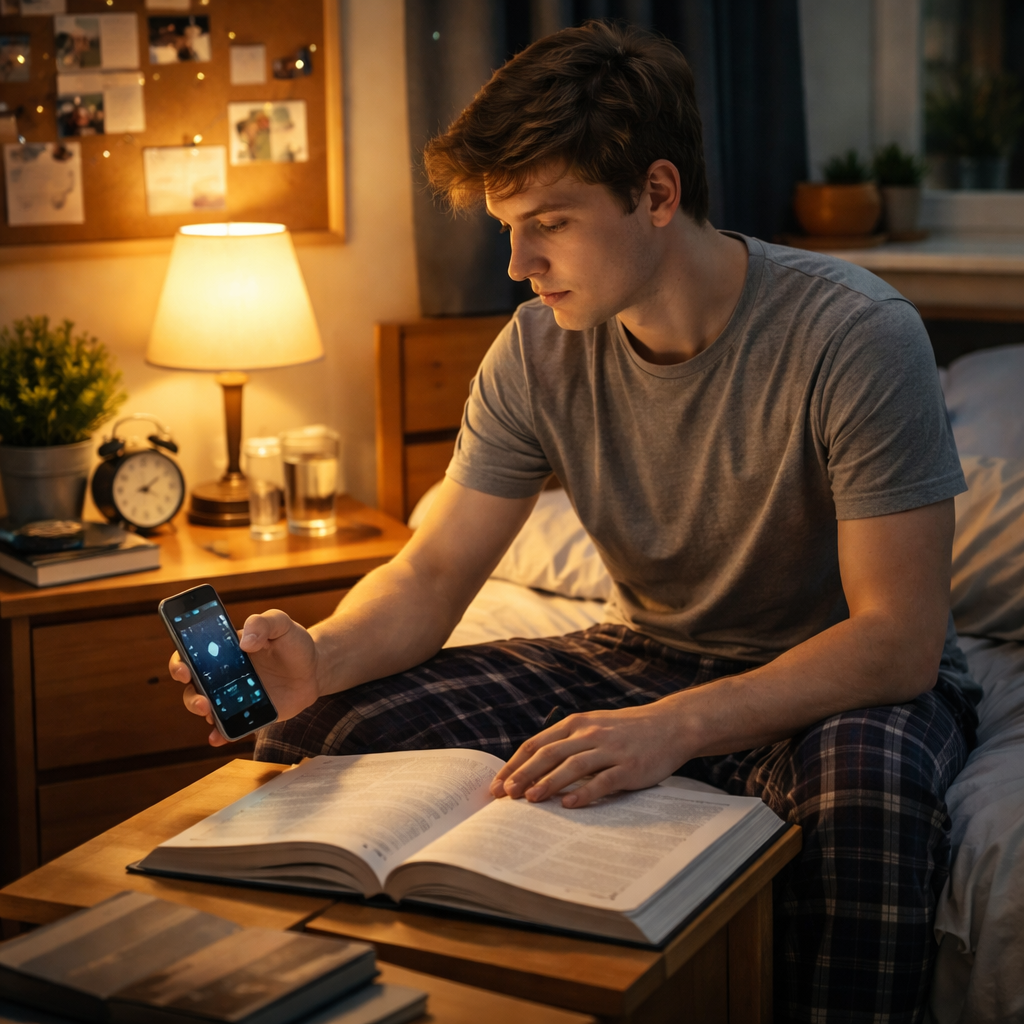
Spend the last 15 to 20 minutes doing something that doesn’t need a screen. Read a paperback, sketch in a notebook, or stretch. These quiet habits signal to your body that it’s time to chill. Regenerate
Keep devices out of the bedroom.
Leave your phone, tablet, and laptop on a desk or in a bag once the curfew hits. If you need a quick check, use a low‑light alarm clock instead. The less tech you have under the covers, the fewer chances you have to reach for a notification in the middle of the night.
Try one of these steps tonight. Even a tiny change can help your brain wind down faster and give you the rest you need for classes tomorrow.
Step 4: Incorporate Relaxation Techniques Before Bed
Feeling weird when the lights go out? A quick chill routine can flip that switch.
Slow breathing
Sit up, place one hand on your belly. Breathe in for a count of four, hold two, then let out for six. Do this four times. Your heart slows, and your mind gets a cue to rest.
Notice how the air feels? That tiny focus pulls you away from the day’s noise.
Progressive muscle release
Start at your toes. Tighten the muscles for three seconds, then let go. Move up to calves, thighs, belly, arms, and face. Each release tells your body it’s safe to drift.
It sounds simple, but many students skip it because they think they’re too busy.
Guided imagery
Close your eyes. Picture a calm place – maybe a quiet beach or a campus garden at dusk. Imagine the sounds, the smells, the light. Stay there for a minute.
That mental trip can lower stress faster than scrolling social feeds.
So, what should you try tonight? Pick one technique, set a timer for five minutes, and do it right after you turn off your screen. If it feels weird at first, that’s normal; the brain just needs a repeat.
Make it a habit
Write the step on a sticky note and stick it on your nightstand. Pair it with another habit you already do, like brushing your teeth. When the cue hits, the relaxation cue follows.
Many young people find that a short routine helps them fall asleep faster and wake up clearer for class.
Platforms like About Young People often share quick how‑to guides that fit a student’s schedule, so you can grab a new tip whenever you need it.
Finally, try a light scent such as lavender on your pillow. The smell can calm nerves and cue your brain that bedtime is near.
A few drops are enough; you don’t need a fancy diffuser.
FAQ
How can I set a consistent sleep schedule with a busy class timetable?
Pick a bedtime that gives you 7‑8 hours before you need to be up. Write it down on a sticky note and put it where you see it each night. Set an alarm for the same wake‑up time, even on weekends. If a class runs late, shift your wind‑down routine, not the sleep time. Tiny tweaks keep your body clock on track.
What bedtime habits help me fall asleep faster?
Do a quick calm activity right after you turn off screens. Try slow breathing: inhale for four counts, hold two, exhale for six. Or read a short story under a dim lamp. Keep the room quiet; earplugs or a soft fan work well. Do this for five to ten minutes, and your mind will start to slow, making it easier to drift off.
How do I keep my room dark and cool without spending a lot?
Use blackout curtains if you can, or hang a dark sheet over the window. A cheap sleep mask works just as well. Keep the thermostat around 65 °F (18 °C) – a fan or open window helps if it’s warm. Turn off bright LEDs and use a soft red night‑light if you need a glow. These steps make the room feel nighttime.
Why should I avoid screens before bed, and how can I do it easily?
Blue light tells your brain it’s still day, so melatonin stays low. Turn on night mode or a blue‑light filter an hour before bed. Put your phone in another room and use a plain alarm clock. If you must check a message, use the dim screen setting and keep it under one minute. This cut‑off lets your body start to relax.
Can a short snack before sleep really help, and what should I eat?
A tiny snack can keep your blood sugar steady so you don’t wake up hungry. Aim for 150‑200 calories of something light – a banana, a small yogurt, or a handful of nuts. Avoid sugary drinks or big meals that can spike your energy. Eat the snack about 30 minutes before lights out, then brush your teeth as usual.
How often should I exercise to boost my sleep, and when is the best time?
Regular exercise lifts your mood and helps you fall asleep faster, but timing matters. Aim for at least 150 minutes a week, broken into 30‑minute sessions. Finish your workout at least two hours before bedtime so your body can cool down. If you only have evenings, try a gentle walk or stretch instead of a hard cardio burst. This keeps you active without hurting your sleep.
Conclusion
You’ve seen how tiny tweaks can turn a chaotic dorm night into solid rest.
Keep a set bedtime, dim lights, stash phone, grab a light snack if hungry, move your body earlier in the day, and add a quick breath or stretch before lights out.
The research showed most tips pin down a 30‑minute window, which is why timing matters more than length.
If you stick to one habit each week, the changes will stack, and you’ll notice clearer mornings and sharper focus.
Need a quick reference? About Young People offers bite-sized checklists that fit a busy student schedule.
So, pick the next tip that feels easiest and give it a try tonight. Your sleep will thank you.
Remember, good sleep isn’t a one‑off project; it’s a habit you build over time. Keep checking the platform for fresh ideas, and soon those nights will feel like a natural reset.