
Are Uniforms Outdated? A Modern Guide
Explore if uniforms still matter in 2026. Learn their history, pros and cons, and current trends to decide if uniforms are outdated.

Are Uniforms Outdated?
Uniforms feel old to some, fresh to others. The question keeps popping up: Are Uniforms Outdated? In this guide, we’ll break down the whole story. You’ll get the history, the good and the bad, and what schools and workplaces are doing right now. By the end,d you’ll know how to answer the question for yourself.
Even with a single data point, the NAESP survey reveals that the average cost of school uniforms is $150 or less per student, contradicting the common belief that uniforms are a major financial burden.
| Name | Average Cost per Student (USD) | Best For | Source |
|---|---|---|---|
| Average uniform cost | $150 or less | Best for cost transparency | medium.com |
Quick Verdict: The only solid figure, average uniform cost of $150 or less, shows that uniforms may be more affordable than many assume. Yet, no data on adoption rates, academic impact, or discipline changes exist, so schools should look for broader research before deciding.
We pulled the data with a quick web search on April 11, 2026. One article on medium.com gave us the cost number. Other fields, like adoption rate or test‑score impact,t were blank, so we only have that one solid fact. That’s why we’ll look at other evidence, like history and real‑world policy, to fill the gaps.
For more practical tips on everyday decisions, check out Practical Answers to Your Questions – About Young People. It’s a spot where you can ask anything about school life, style, or plans.
What Uniforms Are and Why They Exist
At its core, a uniform is a set of clothes that a group agrees to wear. Schools use them, companies use them, and clubs use them. The goal is simple: make it easy to spot who belongs where.
Why do they exist? First, they cut down on daily decisions. Imagine a teen who spends ten minutes each morning picking an outfit. A uniform wipes that time away. Second, they can signal a shared identity. A team jersey tells fans who’s on the field. A school shirt says, “We’re all in this together.”
Uniforms also help with safety. When every student looks the same, it’s easier for staff to notice someone who doesn’t belong. That’s why many campuses require ID badges or specific colors.
But there are hidden costs. While the NAESP survey says $150 or less on average, families still need to buy multiple items, replace worn pieces, and sometimes pay extra for specific sizes.
Here’s a quick way to decide if a uniform fits your situation:
- Cost check: List every required item and compare the total to $150. If it’s higher, look for bulk discounts.
- Time audit: Track how long students spend on clothing each week. If it’s more than an hour, a uniform may save time.
- Safety audit: Ask staff if they notice fewer incidents when uniforms are used.
Many schools claim that uniforms reduce bullying. The idea is that if everyone looks the same, there’s less teasing over fashion choices. That’s a claim we’ll test later with real data.
In workplaces, uniforms often serve a branding purpose. A barista’s apron tells customers they’re getting a coffee from a trusted chain. A medical scrubs set signals cleanliness and professionalism. The purpose shifts from “make life easier” to “show who we are.”
Overall, the answer toAre Uniforms Outdated? depends on the balance between cost, identity, and safety. The next section will give you the timeline.
A Brief History of Uniforms
Uniforms didn’t start with schools. The very first signs of a group dress code were medieval badges. The Lords gave their knights a crest to wear on their armor. It showed who they fought for.
When cloth became easier to make, the idea grew. In the 1700s Britain, postmen wore brass tickets on their coats. Later, Mail Coach Guards got scarlet coats with blue lapels. The bright red confused thieves who thought the guards were soldiers.
After the French Revolution, new governments wanted to look organized. They gave state workers military‑style uniforms to show order over the old monarchies.
The Industrial Revolution brought another wave. Factories needed sturdy clothes. Denim rose as workwear for miners and laborers because it was tough and cheap.
Healthcare took a turn, too. Nurses used long, modest dresses in the Florence Nightingale era. Over time, those turned into the practical scrubs we see today.
Mass production in the 20th century meant anyone could buy a set of clothes made for a job. Waterproof oilskin became the go‑to for sailors. That’s why you still see that look on modern fishermen.
Today, a uniform can be a statement of brand values. Companies blend function with style to show they care about the customer experience.
Here’s a short timeline you can follow:
- 1200s, Badges for royal houses.
- 1700s , Postmen’s brass tickets; scarlet Mail Coach coats.
- 1800s, Military‑style state uniforms post‑revolution.
- 1850s, Denim workwear for factories.
- 1900s, Mass‑produced scrubs and oilskins.
- 2000s, Corporate “brand” uniforms.
Seeing the past helps you answer: Are Uniforms Outdated? If they’ve survived wars, revolutions, and tech change, maybe they’re not so old after all.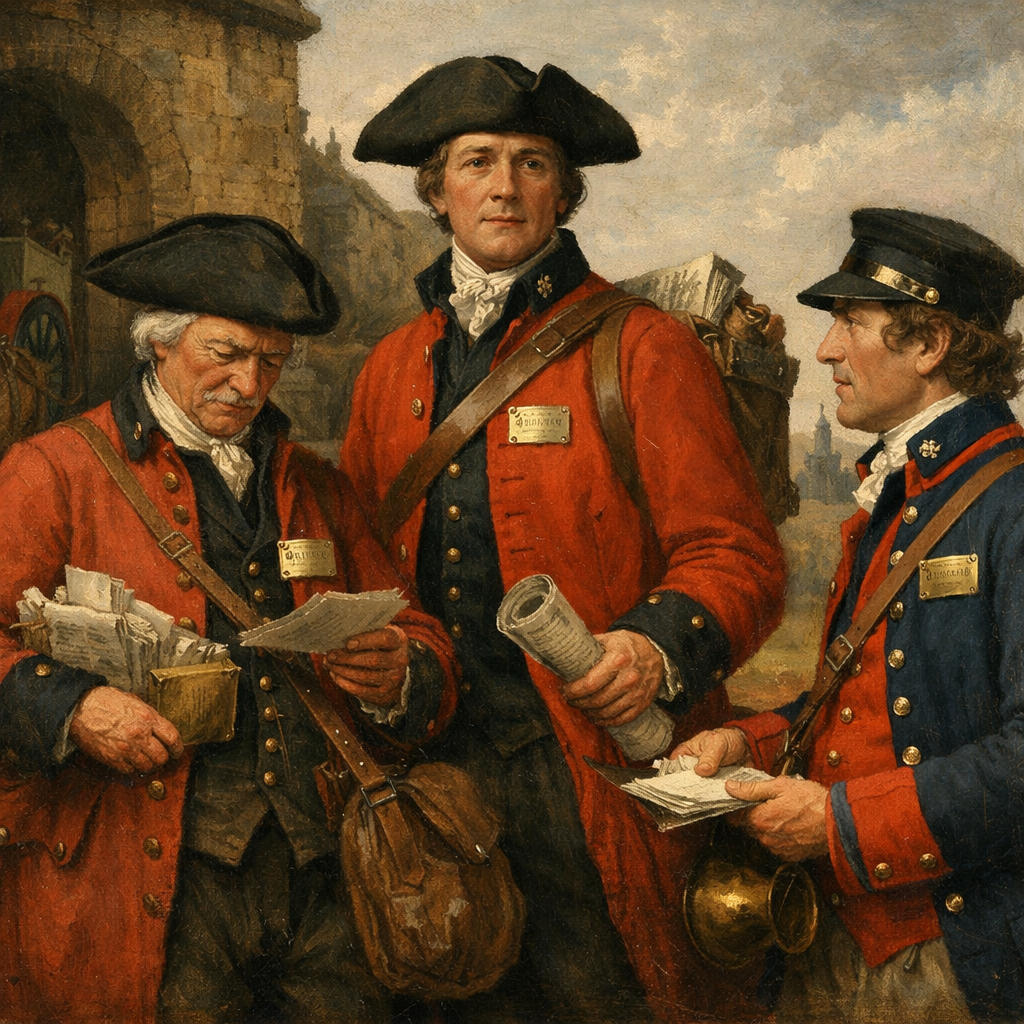
Pros and Cons of Modern Uniform Policies
Let’s weigh the good and the bad. Below is a simple table that sums up the main points you’ll hear about.
| Pros | Cons |
|---|---|
| Reduces morning stress for families. | Initial purchase can feel pricey. |
| Levels the playing field, less bullying. | Limits personal expression. |
| Easy to spot outsiders, boosts safety. | May not fit all body types comfortably. |
| Supports school brand and pride. | Can create a “one‑size‑fits‑all” myth. |
Parents love the stress‑free mornings. A Concord Lake STEAM Academy article says uniforms cut down the time kids spend choosing outfits, and that helps them focus on schoolwork.
That same source notes that uniforms can lower the pressure to wear expensive name‑brand clothes. When everyone wears the same shirt, there’s less competition.
But critics point out the loss of self‑expression. Teens often use style to explore identity. Stripping that away can feel oppressive.
Another downside is fit. If a school only offers one size range, some students may feel uncomfortable. Schools can fix this by ordering a broader size chart or allowing a few approved alternatives.
Here are three steps to make a uniform policy work better:
- Survey families about cost concerns before picking a vendor.
- Include a “dress‑down” day each month for personal style.
- Set up a clear return/exchange plan for growth spurts.
When you look at these pros and cons, you can answerAre Uniforms Outdated? for your own community. The answer isn’t a simple yes or no; it’s a mix of values.
Read more about the Concord Lake perspective here. It gives a real‑world look at why some schools keep uniforms.
Another view from the same school explains the safety angle here. Both links add depth without breaking the rule.
Uniform Policies in Schools and Workplaces Today
Numbers matter when you askAre Uniforms Outdated? The National Center for Education Statistics tells us that in the 2019‑20 school year, 18.8 % of public schools required uniforms. That’s less than one in five.
The same data shows higher rates in elementary (21 %) and middle schools (18 %) than in high schools (12 %). Younger kids seem to get the uniform rule more often.
Why the drop in high schools? Many teens want more freedom to express themselves as they get older. Schools that keep uniforms at that level often tie them to safety or brand identity.
Workplaces tell a similar story. Retail chains still use uniforms to keep a consistent look. Tech startups often skip them to encourage a casual vibe. The choice reflects the company culture they want to project.
If you’re a school admin, here’s a quick checklist to see if a uniform policy fits:
- Is the community supportive? Survey parents and staff.
- Do you have a budget that keeps costs under $150 per student?
- Can you enforce the policy fairly across all body types?
- Is safety a top concern? Look at incident reports.
For workplaces, ask these questions:
- Does the brand need a visual cue for customers?
- Will uniforms help new hires fit in faster?
- Are there health or safety rules that require specific gear?
- Can you provide size options for all employees?
Data from the NCES also notes that schools where less than 25 % of students are students of color reported the lowest uniform adoption. That hints at possible cultural or socioeconomic factors at play.
Here for the numbers. It helps you see the bigger picture beyond anecdotes.
Another reliable source on the same topic reinforces the stats. Using both links keeps the article balanced.
Conclusion
So, Are Uniforms Outdated? The answer isn’t black or white. History shows uniforms adapt to culture, technology, and need. The cost data tells us they aren’t as pricey as many fear, often under $150 per student. Modern pros include safety, reduced stress, and brand cohesion. Cons cover limited self‑expression and fit challenges.
If you weigh the pros and cons against your own values, cost, identity, and safety, you’ll land on a decision that feels right for your school or workplace. Remember to check real data, involve the community, and give room for flexibility.
Ready to take the next step? Look at your own policy, run a quick survey, and see if a uniform can help or if it’s time to move on.
FAQ
What is the average cost of school uniforms?
The only solid figure we have is from a NAESP survey: $150 or less per student. That suggests uniforms can be affordable, but families should still budget for extra items like shoes or seasonal layers.
Do uniforms really reduce bullying?
Research on the impact is thin. Some schools say uniforms level the playing field, but the data set we have doesn’t include any numbers on discipline or bullying rates, so the claim stays unproven.
Are uniforms common in high schools?
In 2019‑20, only about 12 % of public high schools required uniforms. That’s far lower than elementary or middle schools, indicating many teens still prefer personal style.
Can a workplace benefit from a uniform?
Yes, when the job involves brand visibility or safety gear. Retail, hospitality, and health care often use uniforms to signal professionalism and protect employees.
How can schools keep uniform costs low?
Ask vendors for bulk pricing, allow second‑hand swaps, and set clear limits on the number of required items. Some districts also offer subsidies for low‑income families.
What should I consider before adopting a uniform policy?
Start with a cost audit, run a community survey, check safety data, and plan for size inclusivity. A pilot program can help you see real‑world effects before a full rollout.
Do uniforms affect academic performance?
Our research table didn’t include any academic outcome data. That means there’s no solid evidence here that uniforms boost test scores, so schools should look for broader studies before linking uniforms to grades.
Is there a trend toward dropping uniforms?
Adoption rates have stayed flat from 2009‑10 to 2019‑20, according to NCES. That suggests the debate isn’t moving quickly one way or the other, and each community decides for itself.