Understanding Education Inequality Worldwide
Explore why education inequality persists worldwide, its impacts, and actionable steps to close the gap – a friendly guide for all readers.
Understanding Education Inequality Worldwide
Education gaps are huge. They keep kids from reaching their dreams. In this guide, we’ll break down why education inequality worldwide exists, which places suffer most, how it hurts societies, and what you can do right now to help. You’ll walk away with clear steps you can try in your own community.
Understanding the Roots of Education Inequality Worldwide
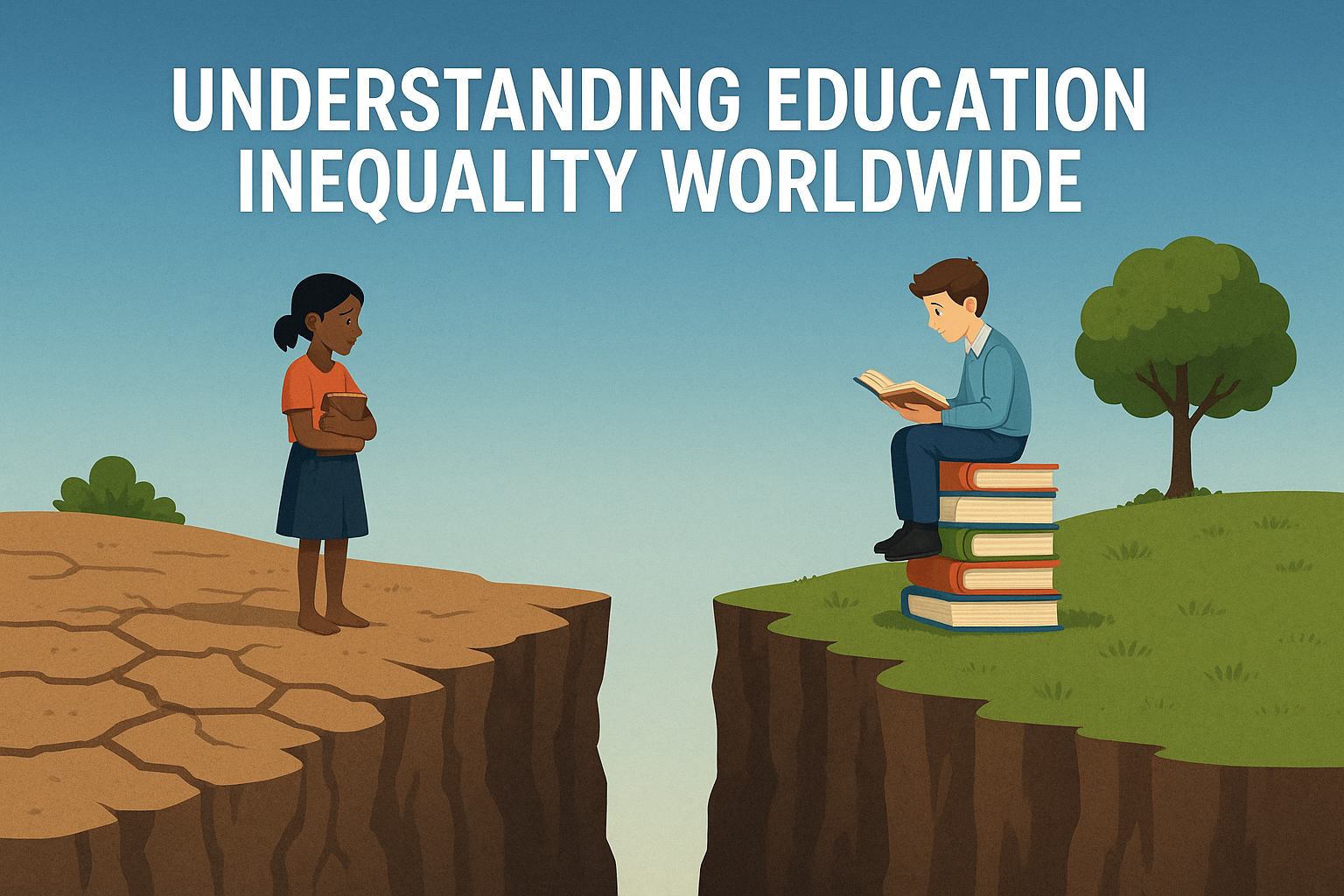
Education inequality worldwide starts with who gets to learn and who doesn’t. The World Inequality Report 2026says that choices, institutions, and power shape gaps. When policies favor the rich, poor kids stay behind. This isn’t destiny; it’s a result of how societies are built.
One big driver is family income. The Education Inequalities at the School Starting Gates study shows that children from low‑income homes start school with weaker skills. Those early gaps rarely shrink. Imagine a child who can’t read simple words at age five; by age ten, the gap widens because they miss out on early support.
Another driver is geography. Rural schools often lack qualified teachers, proper buildings, or even books. Urban schools in wealthy districts get more funding, newer tech, and extra tutoring. This geographic split adds another layer to the problem.
Gender also matters. In some regions, girls are kept from school due to cultural norms. That limits their future earnings and keeps families in a cycle of poverty.
Race or ethnicity can shape who gets a good education. Historical biases still affect school funding, discipline rates, and expectations.
These forces intersect. A low‑income girl in a rural area faces three hurdles at once. That’s why the report calls the issue a “territorial divide.”
So what can we do? First, recognize that inequality is a policy problem, not an individual flaw. Second, look for data that shows where the gaps are widest. Third, push for fair funding, early‑child programs, and teacher training in underserved areas.
Practical tip: start by mapping your local school’s resources. Note the student‑teacher ratio, technology access, and after‑school support. Compare that to a wealthier district nearby. The contrast will highlight where money and policy matter most.
For more details on common questions, check the FAQ page on our site.
Regions Most Affected by Education Inequality Worldwide
Some places feel the squeeze more than others. In sub‑Saharan Africa, only about 70% of the poorest kids finish lower secondary school, while the richest almost all do. That gap shows up in the data from Education Inequalities.org.
In South Asia, children in rural villages often start school years later than city kids. Late enrolment means they miss the crucial early learning window.
Latin America has similar patterns. In Haiti, many 19‑year‑olds are still in primary school because of delayed enrolment and limited school places.
Even within high‑income countries, pockets of poverty exist. In the United States, inner‑city schools serve mostly low‑income families and face chronic underfunding.
Why do these regions lag? Lack of infrastructure, weak tax bases, and historical neglect all play roles. Conflict zones also suffer; schools may be destroyed or used for other purposes, leaving children without a safe place to learn.
Here’s a quick way to see the picture in your own town:
- Gather enrollment numbers from the local education office.
- Compare urban vs. rural completion rates.
- Note gender gaps in attendance.
Those three steps give you a snapshot you can share with community leaders.
For a deeper dive into how pressure affects learning, Understanding and Managing the Pressure of Academic Success. It explains why stress can widen the gap.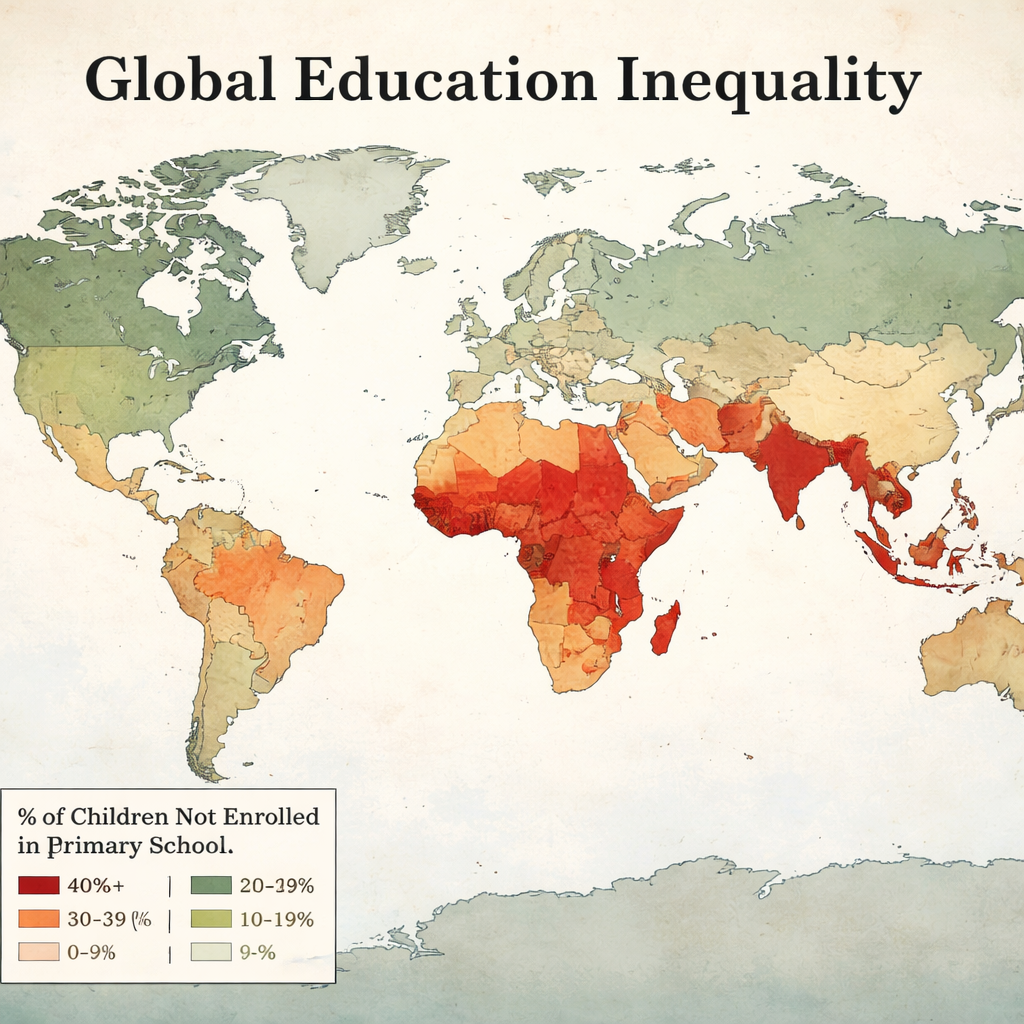
Impact of Education Inequality on Communities and Economies
When education gaps stay wide, whole neighborhoods feel the strain. The EBSCO research notes that low‑skill workers earn less, leading to higher poverty rates.
Communities with poor schooling see higher unemployment. Jobs that need reading or math skills stay out of reach, so families stay stuck in low‑pay work.
Social cohesion also suffers. Schools are places where kids learn to interact across backgrounds. When schools are segregated by wealth, children miss those chances, and bias can grow.
Health outcomes are linked to education, too. Adults with less schooling are more likely to have chronic illnesses, which costs the health system billions.
Economic growth slows. A study shows that each year of schooling adds about 10% to a worker’s productivity. When a large part of the population misses years of school, the whole economy loses that boost.
To illustrate, imagine a town where half the kids drop out at age 14. Local factories can’t find skilled workers, so they move away. Jobs disappear, families leave, and the tax base shrinks. It becomes a vicious circle.
What can a city do?
- Invest in adult‑learning programs to raise skill levels.
- Partner with local businesses for apprenticeships.
- Provide health and nutrition services in schools to keep kids ready to learn.
These steps break the link between poor education and poverty.
For more insight on tech and education, read AI: treat or opportunity?.
Proven Strategies to Reduce Education Inequality Worldwide
There are ways to narrow the gap. Early‑child programs matter most. The EPI report shows that high‑quality pre‑K can lift low‑income kids to the same level as richer peers.
Second, funding formulas need to be fair. Instead of giving schools money based on local property taxes, many places use state‑wide pooling. That spreads resources more evenly.
Third, teacher quality is key. Offer incentives for skilled teachers to work in underserved schools. Provide ongoing professional development so they can use new methods.
Fourth, technology can help close gaps when used wisely. Low‑cost tablets with offline content give remote learners access to the same curriculum as city kids.
Fifth, community involvement boosts success. When parents and local groups volunteer, schools get extra hands for tutoring, mentorship, and after‑school clubs.
Here’s a step‑by‑step plan a district can follow:
- Audit current resource gaps using data from school reports.
- Set a budget target that raises funding for the lowest‑performing schools by at least 20%.
- Recruit teachers with a stipend for rural postings.
- Launch a pilot pre‑K program in three high‑need neighborhoods.
- Measure student progress each semester and adjust the plan.
When you see real numbers improve, you can scale the program.
How You Can Take Action Locally to Combat Education Inequality
You don’t need a big budget to make a difference. Small steps add up.
First, volunteer. Many school districts need helpers for tutoring, event staffing, or mentoring. The Riverside County Office of Education lists volunteer roles like judges for academic decathlons or science fair helpers.
Second, start a local study group. Gather a few classmates or younger students after school. Rotate who teaches a topic each week. This builds confidence and spreads knowledge.
Third, raise funds for school supplies. Simple drives for pencils, notebooks, or tablets can fill gaps. You can also sell custom‑made merchandise to support scholarships. For ideas on how branded items can raise money, see Articoli Promozionali MM IMMAGINE. They specialize in custom gadgets that schools can use for campaigns.
Fourth, advocate for policy change. Write to your local council asking for fair school funding. Share stories of how the lack of resources hurts students you know.
Fifth, support early‑learning programs. If a nearby community center offers free pre‑K, help spread the word or volunteer there.
Sixth, partner with local businesses to offer internships or job shadows for high‑schoolers. Real‑world experience boosts motivation and future earnings.
Finally, consider sports or arts programs that give kids a chance to shine outside the classroom. Even a swim lesson can build confidence. The Baby Otter Swim School shows how fast‑track swim classes can give kids a life skill while keeping costs low.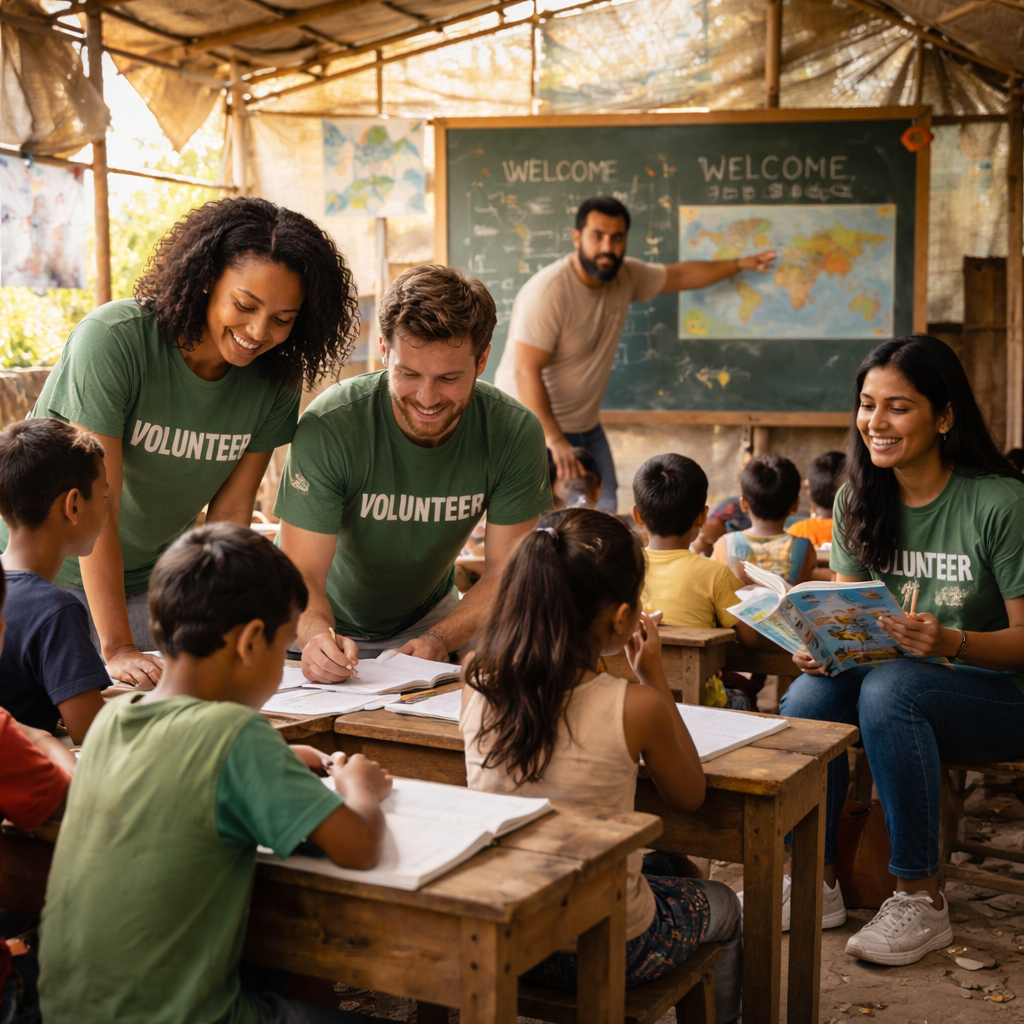
Conclusion
Education inequality worldwide hurts people, communities, and whole economies. We’ve seen that the roots lie in income, geography, gender, and historical bias. Regions like sub‑Saharan Africa, South Asia, and parts of Latin America feel the pain most. The impact shows up as higher poverty, poorer health, and slower growth.
But we also learned that change is possible. Early‑child programs, fair funding, strong teachers, tech, and community action can shrink the gap. You can start by volunteering, forming study groups, raising funds, or speaking up for better policies.
Take one tip today. Maybe sign up to judge a science fair, or organize a small fundraiser for school supplies. Small actions create a ripple that can lift a whole generation.
Ready to act? Visit About Young People for more ideas on how young people can make a difference.
FAQ
What is education inequality worldwide?
Education inequality worldwide means that children in some places get better schools, teachers, and resources than others. The gap shows up in test scores, graduation rates, and later job chances. It’s a global issue that affects both rich and poor countries.
Why does education inequality persist?
It persists because money, policy, and history often favor wealthy families and regions. Low‑income neighborhoods get less tax funding, fewer qualified teachers, and fewer learning tools. That creates a cycle that’s hard to break without targeted action.
How does education inequality affect the economy?
When many people lack basic skills, businesses can’t find qualified workers. That slows growth, lowers wages, and raises poverty. Communities also spend more on health and social services, draining public resources.
What are the most effective ways to reduce the gap?
Invest in early‑child programs, ensure fair school funding, train and incentivize teachers in low‑resource schools, and bring technology to remote classrooms. Community volunteering and local fundraising also make a big difference.
How can I help in my own town?
Start by volunteering at a local school, organizing a study group, or running a small fundraiser for supplies. Talk to city officials about fair funding, and share information on social media to raise awareness.
What resources are available for students facing inequality?
Many districts offer free tutoring, after‑school clubs, and scholarship programs. Look for community centers that run pre‑K or enrichment classes, and check online portals for mentorship opportunities.
Can technology close the education gap?
Yes, when devices are paired with offline content and teacher training. Low‑cost tablets can bring the same lessons to rural classrooms that city kids get, but tech must be supported with proper guidance.
Where can I learn more about this topic?
Our site has a full Faq page with deeper answers, plus links to research reports and practical guides you can download.