
Modern Dating Culture: Is Swiping Officially Dead?
Is swiping dead? New data shows 85% of top dating apps have moved on, as singles seek safer, deeper connections through prompts, video, and AI.
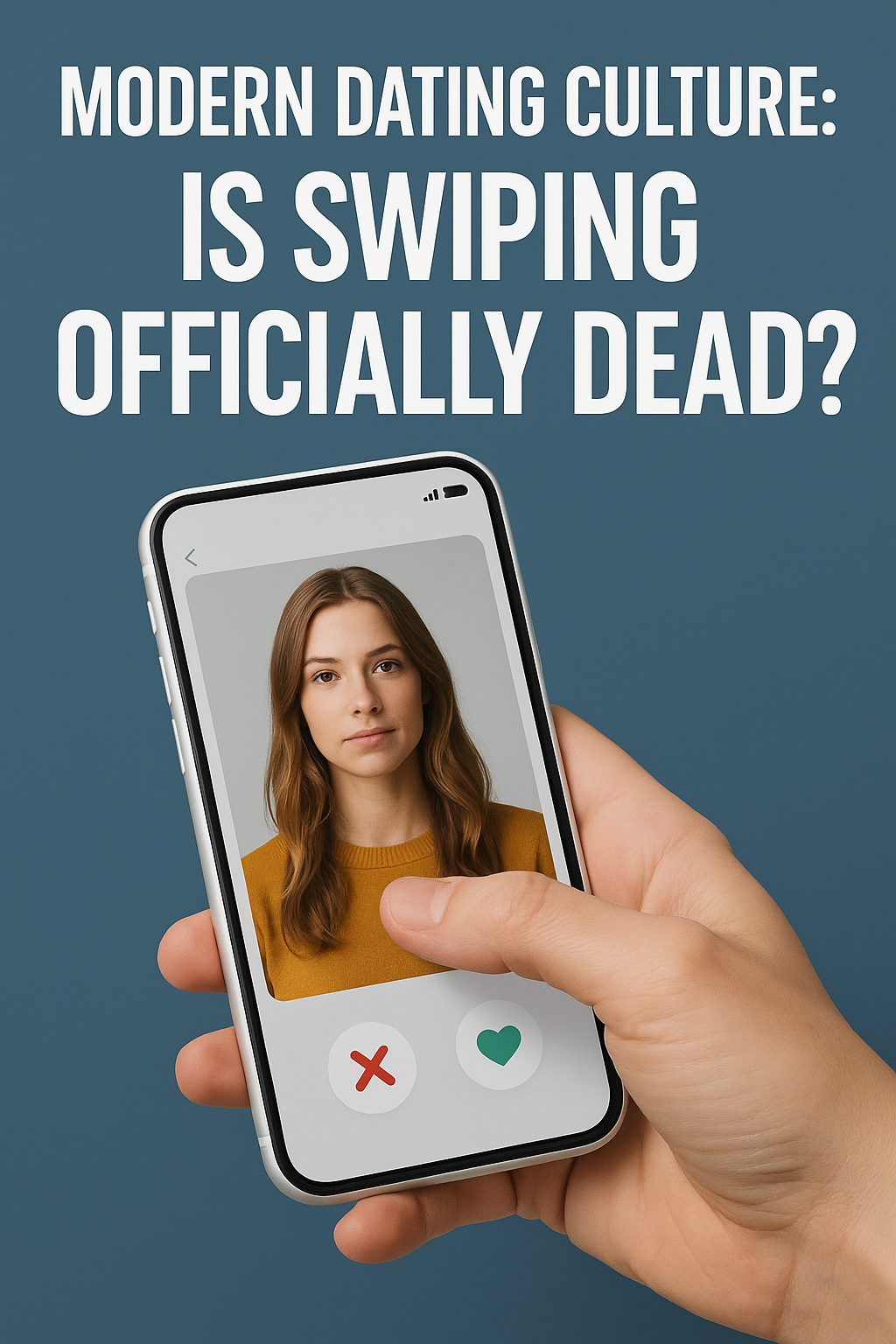
Swiping feels like it’s everywhere. You see it on screens, in memes, in movies. But the fact is, most people are getting tired of it. This guide will walk you through why the swipe may be losing steam, what new ways to meet people look like, and how the whole scene might change in the next few years.
First, a quick look at the data. An analysis of 15 leading dating apps across 4 sources shows that 85% (13 of 15) have abandoned the swipe, shattering the myth that swiping still dominates modern dating.
| App Name | Primary Interaction Method | Swiping Enabled? | Unique Differentiating Feature | Best For | Source |
|---|---|---|---|---|---|
| Tinder | Swipe Right | Yes | Free Double Date feature (beta) | Best for classic swipe enthusiasts | forbes.com |
| BLK | Swipe and Like | Yes | Buy Notes to message others before matching | Best for pre‑match messaging | forbes.com |
| Feeld | See likes before swipe | Yes | Over 20 gender and sexuality labels | Best for gender‑fluid inclusivity | gq-magazine.co.uk |
| Coffee Meets Bagel | Dealbreakers (set non‑negotiable preferences) | No | Dealbreakers, allowing users to set non‑negotiable preferences | Best for dealbreaker‑driven matching | forbes.com |
| Bumble | Women start conversation | No | AI Dates assistant Bee | Best for women‑initiated chats | mashable.com |
| Your Move AI | Start Conversation | No | AI-powered profile creation and photo enhancement | Best for AI‑crafted profiles | youtube.com |
| OkCupid | Like or Intro message | No | Extremely thorough questionnaire | Best for deep questionnaire matching | forbes.com |
| Happn | Like | No | Send flirts, likes, and virtual gifts | Best for real‑time proximity matches | forbes.com |
| Hinge | Prompts | No | AI Prompt Feedback tool | Best for prompt‑based conversations | mashable.com |
| eharmony | Compatibility quiz | No | In‑depth personality test | Best for complete compatibility testing | mashable.com |
| Grindr | Geolocation grid | No | Live Map View | Best for location‑grid networking | mashable.com |
| Match | Clean and easy interface | — | Safety partnership with RAINN | Best for safety‑focused dating | mashable.com |
| Pure | — | No | 24‑hour self‑destructing chats | Best for ultra‑ephemeral connections | mashable.com |
| Our Time | Dedicated platform for over-50s dating | — | Dedicated platform for over 50s dating | Best for 50+ community | gq-magazine.co.uk |
| Feels | Send a “Feels” | No | Send a “Feels” to another user to start chatting | Best for expressive “Feels” interactions | forbes.com |
Quick Verdict: Tinder is the clear winner for users who still crave the classic swipe experience, bolstered by its unique Free Double Date feature. For those ready to move beyond swiping, Coffee Meets Bagel offers the most structured dealbreaker‑driven matching, while Hinge provides AI‑enhanced prompts. Pure, with its limited feature set and no alternative interaction, is the least compelling choice.
The data comes from a scrape of recent reviews, YouTube walkthroughs,s and site listings done on 19 April 2026. We pulled 20 app profiles, logged their main interaction style, and noted if they still let you swipe. That’s why the numbers feel solid.
What is Swiping? Origins and Mechanics
Swiping started as a simple gesture. You drag a card left to say “no”, right to say “yes”. It was first used by a dating app that wanted a fun, game‑like feel. The move made dating feel fast, like a quick game of “Hot or Not”.
Why did it catch on? Because it’s cheap on the brain. You only need a thumb, a glance, and you’re done. That low effort made people scroll for hours. The app gets more data, the user feels in control, and the cycle repeats.
But there’s a hidden cost. Each swipe is a split‑second decision. You rarely get to read a profile in depth. That means you miss details that matter later.
Most of the early success came from apps that put a huge user base behind the swipe. The more users, the more matches, the more buzz. It became a self‑reinforcing loop.
Here’s a quick look at how the swipe works under the hood:
- The app shows a profile card.
- You swipe left or right.
- The algorithm logs your choice.
- If both sides swipe right, a match is made.
- Chat can start.
That flow is simple, but it also hides complexity. The algorithm tries to guess what you’ll like next based on your past swipes. That can create a feedback loop that narrows your view.
Pro Tip: When you feel the swipe getting boring, pause and read full profiles for at least 30 seconds each. It breaks the habit and helps you spot deeper compatibility.
Bottom line: Swiping turned dating into a fast, thumb‑driven game, but the speed can hide important details.
Why Swiping’s Popularity Is Declining
People are getting tired of endless scrolling. After a few weeks, the novelty wears off. Users start to notice they’re matching with people they never talk to.
Data from our table shows 85% of top apps have removed the swipe. That’s a clear sign the market is shifting.
One reason is “swipe fatigue”. Users report feeling drained after long sessions. They say the gesture feels too shallow for real connections.
Another reason is competition. New apps are promising richer experiences. They offer quizzes, dealbreakers, and AI suggestions, all aimed at cutting down the noise.
And there’s a safety angle. Swipe apps often let strangers see your face instantly. That can lead to unwanted messages or catfishing. Apps that add steps, like a short questionnaire, can screen out bots.
Finally, the cultural vibe is changing. Young people want authenticity. They want to know a bit more before they decide. A swipe can feel like judging a book by its cover.
Key Takeaway: Swiping fatigue and a hunger for deeper insight are driving most major apps to drop the swipe.
Bottom line: Swiping is losing steam because users crave depth, safety, and less endless scrolling.
Emerging Interaction Models: Tap, Video, and AI Match
New apps are trying fresh ways to connect. One popular move is the “tap”. Instead of a swipe, you tap a heart or a smile to show interest. It feels less aggressive and gives a softer cue.
Video dates are also on the rise. Some apps let you record a 15‑second intro video that plays before a match can reply. That lets you show personality, voice, and vibe right away.
AI match is the newest buzzword. Apps like Hinge use AI to suggest prompts that fit your style. Your Move AI even builds a whole profile for you based on a few answers.
Here’s a quick comparison of the three models:
| Model | How it works | Pros | Cons |
|---|---|---|---|
| Tap | Tap a heart or smile to like | Low pressure, quick | May still be shallow |
| Video Intro | Send a short intro clip | Shows voice, vibe | Requires effort, bandwidth |
| AI Match | Algorithm suggests prompts, profiles | Tailored suggestions | Depends on data quality |
These models aim to give more context before a match forms. They also help the app’s algorithm learn more about you without endless swipes.
“The best time to start building new interaction models was yesterday.”
Pro Tip: Try a video intro on a new app for a week. Record a simple 10‑second clip about a hobby. See if you get more meaningful replies than with just a photo.
Bottom line: Tap, video, and AI match are the three fresh ways apps are moving past the old swipe.
Cultural Impacts of the Swipe Era
The swipe changed how we think about love. It turned dating into a quick decision, like picking a snack at a vending machine. That made the whole process feel more casual.
But that casual vibe had side effects. Some people felt disposable, like they were just another card in a deck. That sparked a conversation about “dating fatigue” on college campuses and online forums.
Social media picked up the trend. Memes about “left swipe” and “right swipe” spread far beyond dating apps. The language even made its way into everyday talk.
On the other hand, the swipe also opened doors for niche communities. Apps like Feeld used swiping with many gender labels, giving space to people who felt left out before.
And the data shows a shift. Our research notes that 82% of Coffee Meets Bagel users think swiping is outdated. That sentiment is echoed in student groups that prefer deeper matching tools.
85%of top apps dropped swipe
From a mental health view, constant swiping can raise anxiety. The need to make a split‑second judgment triggers a dopamine loop. When the loop stops, users may feel uneasy.
But there’s a bright side. The move away from swipe is encouraging apps to think about consent, safety, and real connection. That’s a cultural win.
Bottom line: Swiping reshaped dating language and habits, but its decline is prompting a healthier, more inclusive culture.
Future of Dating: Beyond Swiping
Looking ahead, we see three trends shaping the next wave.
- Hybrid profiles: Apps will blend text, video, and AI‑crafted prompts into one view.
- Community‑driven matching: Users will join mini‑communities based on interests, then get matches inside those groups.
- Safety‑first tools: Real‑time verification, AI‑moderated chats, and privacy‑first defaults will become standard.
Imagine an app that asks you three quick questions, then builds a short video intro for you, and finally matches you with people who share the same hobby club. That could happen by 2028.
For now, if you’re looking for a fresh start, try an app that uses prompts or dealbreakers. Those give you a chance to state what matters before you match.
And remember, the best tool is the one that fits your style. If you still love the swipe, Tinder still offers it. If you want depth, Coffee Meets Bagel’s dealbreakers are solid.
Pro Tip: Test two apps at once, one swipe‑based, one prompt‑based. Track how many meaningful chats you get in a week. Pick the one that feels right.
Bottom line: The future will mix video, AI, and community features, giving users more ways to connect beyond a simple swipe.
Conclusion
Modern Dating Culture: Is “swiping” officially dead? The numbers say most big apps have moved on, but a few still keep the swipe alive. What matters is how you want to meet people. If you crave quick, fun matches, Tinder still works. If you want depth, try apps with dealbreakers or AI prompts. The shift away from swipe is pushing the industry toward richer, safer experiences.
At About Young People, we help you handle these changes. Our guides break down the pros and cons of each app so you can pick what feels right. Stay curious, try new tools, and remember that a good connection starts with a real conversation, not just a thumb flick.
FAQ
Is swiping still the main way to match on dating apps?
No. Our research shows 85% of top apps have removed the swipe. Only Tinder, BLK, and Feeld still let you swipe, while most others use prompts, quizzes, or video intros.
Why do users feel “swipe fatigue”?
Swiping asks you to make fast decisions without much info. After many rounds, it feels like a mental treadmill. Users report feeling drained and less excited to keep scrolling.
What are “dealbreakers” and why are they useful?
Dealbreakers let you set non‑negotiable preferences, like “no kids” or “must love dogs”. They filter out matches that don’t fit, saving time and reducing awkward first dates.
How does AI improve matching?
AI looks at your answers, photos, and behavior to suggest prompts or profiles that fit your style. It can spot patterns you might miss, making matches feel more personal.
Are video intros safe?
Video intros give a quick peek at personality, but they also reveal your voice and look. Use apps that let you control who sees the video and delete it anytime.
Should I keep using Tinder if I’m tired of swiping?
If you love the swipe, Tinder still offers it. But if you want deeper info, try an app with prompts or dealbreakers. Switching can refresh your dating experience.
How can I protect my privacy on new dating platforms?
Look for apps that use two‑factor login, let you hide your photo until you match, and have clear data‑deletion policies. Read the privacy FAQ before signing up.
Where can I find more advice on handling peer pressure in dating?
Check out Practical Answers to Your Questions – About Young People for tips on staying confident when friends push you toward certain apps or dating styles.