
Cooking for One: Affordable Meal Prep for Young Adults
Learn budget-friendly meal prep for solo cooking. Easy recipes, smart shopping, storage hacks and tips for affordable, nutritious meals.
Cooking for One: Affordable Meal Prep for Young Adults
College life can feel like a cash drain and a kitchen‑nightmare at the same time. One single‑serving recipe can cost $2, while another can sit under $0.60. That split changes how you think about cheap meals. In this guide, you’ll get a step‑by‑step plan to stretch every dollar, stock a tiny kitchen, and still eat healthy.
We dug into 25 single‑serving meal‑prep ideas from three sites. The data shows that eight recipes are priced at $2 per serving, and ten drop below $0.62. Planeatai.com’s $2 meals span six protein types, but FitMenCook.com’s cheap meals only use three proteins. The average cost is $1.22, yet the median is $0.59, meaning a few pricey dishes lift the average.
| Name | Cost per Serving | Main Protein | Best For | Source |
|---|---|---|---|---|
| Oats with Peanut Butter | $2 per serving | Peanut butter | Best for Peanut Butter protein | planeatai.com |
| Rice with Lentils and Carrots | $2 per serving | Lentils | Best for Lentils & Carrots combo | planeatai.com |
| Roasted Chicken Thighs with Potatoes and Cabbage | $2 per serving | Chicken thighs | Best for Chicken thigh roast | planeatai.com |
| Leftover Chicken with Rice and Vegetables | $2 per serving | Chicken | Best for leftover chicken makeover | planeatai.com |
| Bean and Potato Skillet | $2 per serving | Beans | Best for Bean‑potato skillet | planeatai.com |
| Eggs with Toast or Potatoes | $2 per serving | Eggs | Best for classic egg‑toast | planeatai.com |
| Lentil Stew | $2 per serving | Lentils | Best for hearty lentil stew | planeatai.com |
| Chicken, Rice, and Frozen Broccoli | $2 per serving | Chicken | One Pot Sausage and Sun-Dried Tomato Pasta | planeatai.com |
| Bean & Tomato Rice Bowl | $0.59-0.61 | Beans | Best for budget bean‑rice bowl | fitmencook.com |
| Egg & Bean Scramble | $0.59-0.61 | Eggs | Best for protein‑packed scramble | fitmencook.com |
| Tuna Fried Rice | $0.59-0.61 | Tuna | Best for tuna fried rice | fitmencook.com |
| Beans & Tomato Pasta | $0.59-0.61 | Beans | Best for bean pasta | fitmencook.com |
| Quick Tuna & Vegetable Broth (Microwave Soup) | $0.59-0.61 | Tuna | Best for microwave tuna soup | fitmencook.com |
| Rice & Egg Bowl with Seasoned Veggies | $0.59-0.61 | Eggs | Best for seasoned egg‑rice bowl | fitmencook.com |
| Bean & Egg Skillet | $0.59-0.61 | Eggs | Best for bean‑egg skillet | fitmencook.com |
| Sautéed Bean & Vegetable Skillet Over Rice | $0.59-0.61 | Beans | Best for bean‑veg rice skillet | fitmencook.com |
| Egg & Tuna Skillet | $0.59-0.61 | Tuna | Best for egg‑tuna skillet | fitmencook.com |
| Tuna Pasta with Tomato Base | $0.59-0.61 | Tuna | Best for tuna tomato pasta | fitmencook.com |
| One Pot Sausage and Sun Dried Tomato Pasta | — | Sausage | Best for sausage one‑pot pasta | budgetbytes.com |
| Slow Cooker Coconut Curry Lentils | — | Lentils | Best for coconut lentil curry | budgetbytes.com |
| Spanish Chickpeas and Rice | — | Chickpeas | Best for vegan chickpea rice | budgetbytes.com |
| Soy Marinated Tofu Bowls with Spicy Peanut Sauce | — | Tofu | Best for spicy tofu bowl | budgetbytes.com |
| Coconut Jerk Peas with Pineapple Salsa | — | Peas | Best for jerk peas salsa | budgetbytes.com |
| Sheet Pan Sweet and Sour Chicken | — | Chicken | Best for sweet‑sour chicken | budgetbytes.com |
| Chicken Yakisoba | — | Chicken | Best for chicken yakisoba | budgetbytes.com |
The methodology was a web scrape on April 14, 2026, that pulled recipe name, cost per serving, main protein, and source from three sites. We then calculated averages and counted protein frequency. The sample size was 25 meals.
Step 1: Assess Your Budget & Kitchen Essentials
First, sit down with a notebook and write the exact amount you can spend on groceries each week. Be realistic, include rent, transport, and any subscription you already pay for. When you know your ceiling, you can pick meals that fit without overspending.
Next, audit what you already own. Do you have a decent pot, a cutting board, and a basic set of knives? If you’re missing a few items, look for second‑hand options or student discounts. A single stainless‑steel pot can replace a pricey multicooker set for most solo meals.
Here’s a quick checklist to see if you’re kitchen‑ready:
- 1‑2 pots (one small, one medium)
- Frying pan
- Basic knife set
- Measuring cups
- Storage containers (glass or BPA‑free plastic)
And don’t forget a reliable fridge space. If you’re living in a dorm with limited shelves, consider a mini‑fridge that can hold a few protein packs and veggies.
To keep costs low, buy a few multipurpose tools instead of single‑use gadgets. A good chef’s knife will outlast a cheap slicer, and a sturdy cutting board can handle veggies, chicken, or tofu without warping.
When you’ve got the basics, you can start matching them to the meals in our research. For example, the $2 chicken‑thigh roast from planeatai.com needs a baking sheet, while the $0.60 tuna fried rice from fitmencook.com only needs a saucepan.
One smart habit is to track every grocery trip for a month. Write down each item, price, and how often you use it. After four weeks, you’ll see patterns, maybe you buy a lot of frozen veggies that never get used. Trim the waste, and your budget stretches further.
Want to learn how to cut down on impulse buys? Check out ” Minimalism vs. Consumerism: A Clear Guide to Choosing Simpler …for a practical mindset shift that works well for tight grocery budgets.
External resources can help you find cheap staples. Planeatai.com lists a $2 chicken‑broccoli bowl that uses a single pot, perfect for a starter kitchen. Explore the budget 7‑day plan on planeatai.com for more ideas.
FitMenCook.com also shares ultra‑cheap meals that need only a saucepan. See the Dollar General meal plan on FitMenCook.com for recipes that fit a $0.60 per serving budget.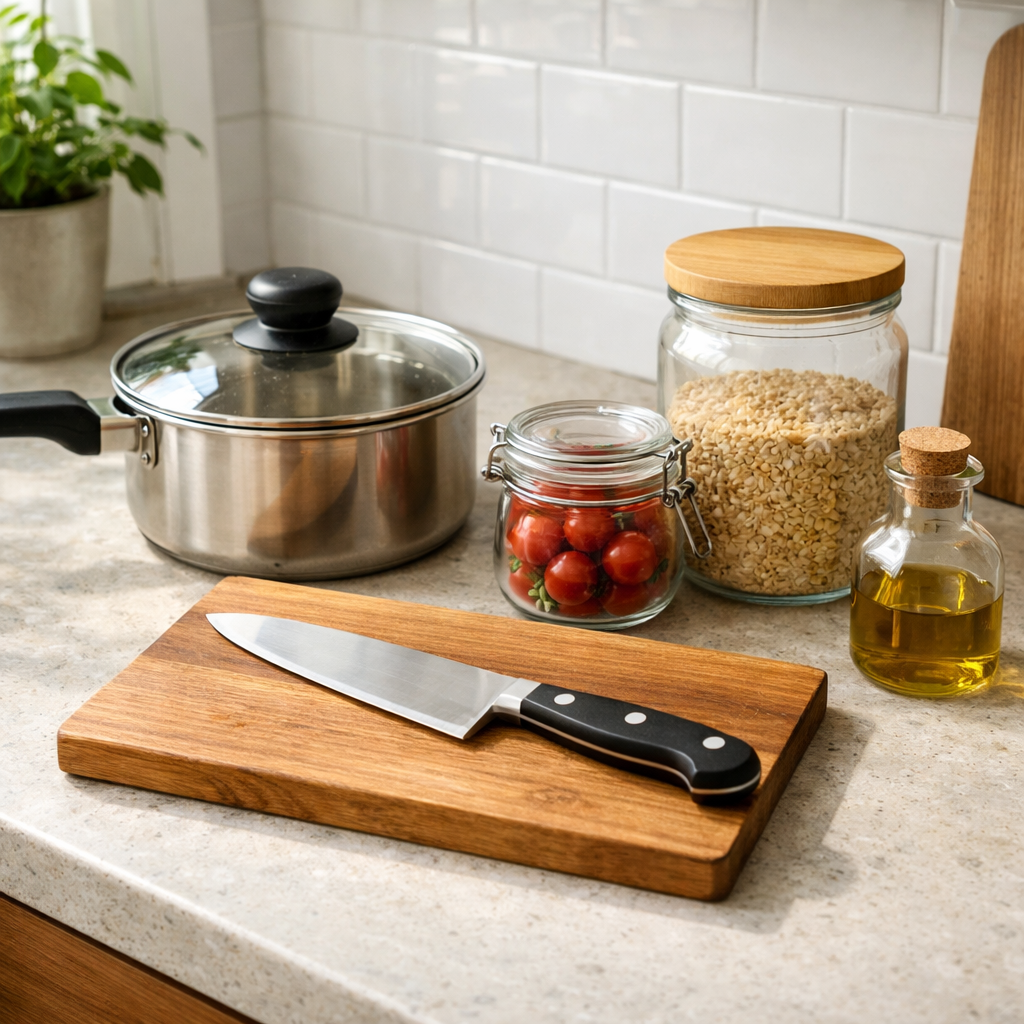
Step 2: Plan Simple, Nutritious Recipes
Now that you know your budget and tools, it’s time to pick recipes that hit three goals: low cost, good protein, and quick prep. The research table shows chicken appears in 4 meals, beans in 6, and eggs in 5. Mix these proteins across the week to keep meals interesting.
Start with a template:
- Monday, Protein: Chicken, Carb: Rice, Veg: Frozen broccoli (Plantain.com $2)
- Tuesday, Protein: Tuna, Carb: Rice, Veg: Mixed peas (FitMenCook.com $0.60)
- Wednesday, Protein: Eggs, Carb: Toast, Veg: Avocado (Planeatai.com $2)
- Thursday, Protein: Beans, Carb: Pasta, Veg: Tomato sauce (FitMenCook.com $0.60)
- Friday, Protein: Lentils, Carb: Quinoa, Veg: Carrots (Planeatai.com $2)
Notice the pattern: each day swaps a cheap protein while keeping carbs simple. This avoids the “same‑old‑same‑old” feeling and lets you batch‑cook the base carbs on the weekend.
To keep nutrition solid, aim for at least 20 g of protein per meal. A cup of cooked lentils provides about 18 g, a can of tuna offers 22 g, and two eggs give 12 g, so pairing with a side of beans or a slice of cheese can boost the total.
When you’re short on time, use the “one‑pot” rule: choose a recipe where all ingredients cook together. That cuts cleaning time and keeps costs down because you don’t need extra cookware.
If you enjoy sharing your progress, consider starting a small newsletter on Writizzy, The Cozy Newsletter & Blog Platform. Document each meal, note the cost, and invite friends to comment. The act of writing helps you stay accountable and may even inspire new recipe ideas.
Another external tip: Planeatai.com’s $2 meals often include a side of veggies that can be frozen in bulk. Freeze a bag of broccoli and pull out a cup whenever you need it, no waste, no extra trips to the store.
FitMenCook.com’s cheap recipes rely on pantry staples like beans, rice, and canned tuna. Stock a few cans of tuna, a bag of dry beans, and a box of rice. They’ll last months and keep the per‑serving cost under $0.62.
Step 3: Smart Shopping & Bulk Buying
Smart shopping is the biggest lever for cutting costs. The first rule: shop the perimeter of the store. That’s where fresh produce, dairy, and meat live. The middle aisles hold processed foods that often cost more per nutrient.
Second, buy in bulk when the item won’t spoil quickly. A 5‑lb bag of rice costs less per cup than a small box. The same goes for beans, oats, and frozen vegetables.
Here’s a quick bulk‑shopping checklist:
- Rice (brown or white), 5 lb bag
- Dried beans or lentils, 2 lb
- Frozen mixed veggies, 2 kg
- Eggs, 12‑count carton
- Canned tuna, 5‑pack
When you buy in bulk, portion out the amount you’ll need for a week and store the rest in airtight containers. This avoids “just in case” buying that leads to waste.
Use a price‑per‑serving calculator. For example, a 5‑lb bag of rice costs $4. That’s $0.08 per cup. Compared to a pre‑cooked rice packet at $1 per serving, the bulk option wins.
External resources:
BudgetBytes.com often posts “single‑recipe” ideas that need only a few pantry items. Check their single‑recipe list for inspiration. It’s perfect for a solo cooker who wants variety without a grocery list explosion.
FitMenCook.com’s Dollar General plan includes a printable shopping list you can adapt. Download the list from FitMenCook.com and tweak it to your taste.
| Strategy | Pros | Cons |
|---|---|---|
| Buy in bulk | Lower cost per serving, less frequent trips | Requires storage space, risk of spoilage if not used |
| Shop sales | Immediate savings, can stock up on deals | May buy items you don’t need |
| Use store brands | Cheaper than name‑brand, similar quality | Sometimes limited flavor options |
Finally, set a weekly “grocery budget cap” in your phone’s budgeting app. When you hit the limit, stop adding items. This tiny discipline keeps you from overspending.
For deeper insight on managing finances as a student, read ” Understanding and Managing The pressure of Academic Success. It gives a clear method to track expenses alongside study goals.
Step 4: Batch Cooking Techniques
Batch cooking is the secret sauce for solo chefs who don’t have time every night. Pick a day, usually Sunday, and set aside 2‑3 hours. You’ll end up with 4‑5 meals ready to heat.
Start with a base carb you can use all week: rice, quinoa, or pasta. Cook a large pot, let it cool, then portion into containers.
Next, choose two proteins to pair with that carb. For example, cook a batch of chicken thighs (Planeatai.com $2) and a pot of lentils (FitMenCook.com $0.60). Both store well in the fridge for up to four days.
Vegetables are the easiest part. Freeze a mixed‑veggie bag, then steam a portion each night. Or roast a tray of carrots, potatoes, and broccoli on a sheet pan; the oven does the work while you prep the proteins.
Here’s a step‑by‑step batch plan:
- Boil 2 cups of rice. When done, fluff and spread on a baking sheet to cool faster.
- Season 4 chicken thighs with salt, pepper, and a dash of paprika. Bake at 400°F for 25 minutes.
- Rinse 1 cup of lentils, add water, a bay leaf, and simmer 20 minutes.
- While the chicken bakes, toss a bag of frozen veggies with olive oil and roast for 15 minutes.
- Divide everything into five containers: ½ cup rice, 1 protein serving, and a generous veg portion.
When it’s time to eat, just heat the container in the microwave for 2‑3 minutes. You’ve got a balanced meal without the daily scramble.
If you want to turn your batch‑cooking into a community challenge, check outBuild an Online Wellness Challenge Platform for Teams in 2026. You can create a “Meal‑Prep Week” challenge with friends, share photos of your containers, and keep each other motivated.
Another external source for a simple one‑pot recipe is Planeatai.com’s $2 chicken‑broccoli bowl, which uses just a pot and a sheet pan. Read the recipe on Planeatai.com for a low‑cost, low‑effort option.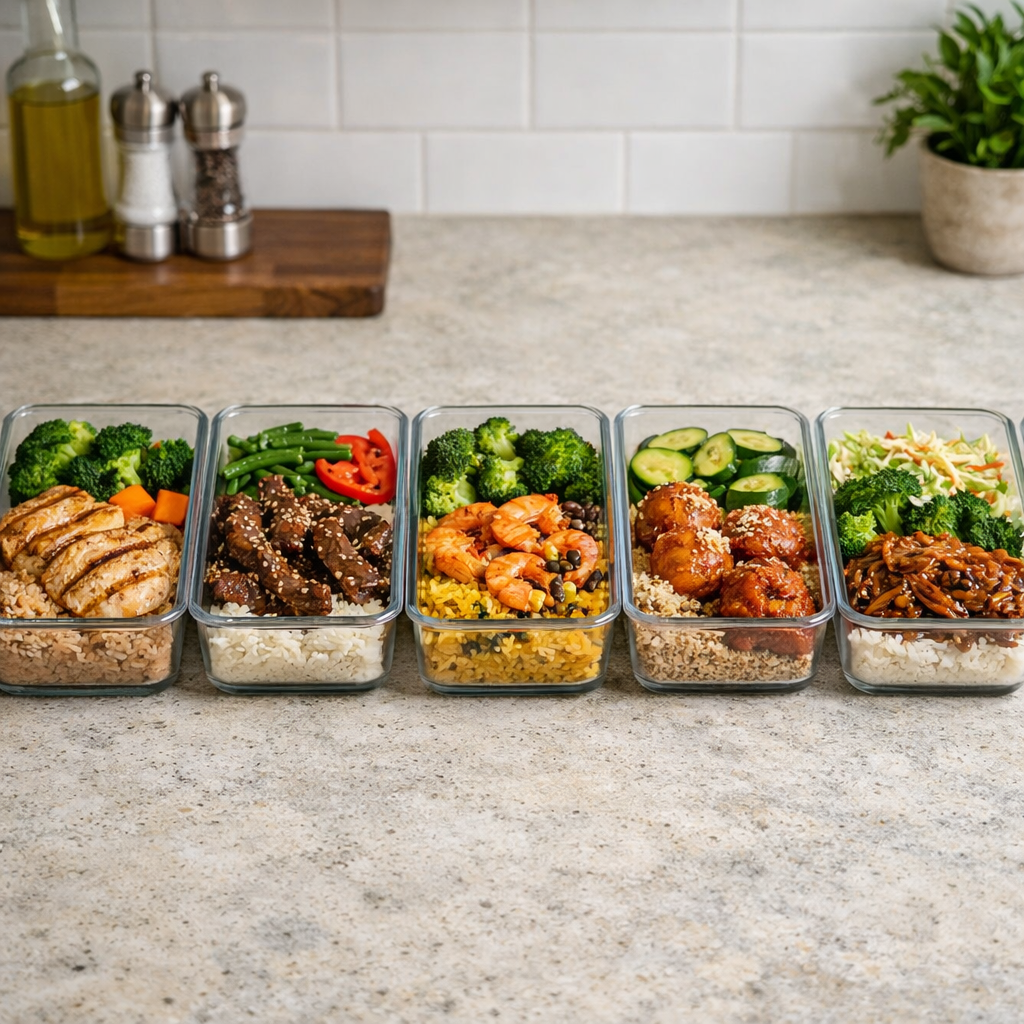
Step 5: Storing & Reusing Meals Efficiently
Storing is as important as cooking. Poor storage can spoil food faster, waste money, and ruin your budget plan.
Use clear glass containers with snap‑on lids. They let you see the contents at a glance, so you won’t forget a meal in the back of the fridge.
Label each container with the date you made it. A simple sticker and a pen do the trick. If you see a meal that is older than three days, move it to the freezer or toss it.
Freezing works well for cooked grains, beans, and cooked proteins. Portion them into single‑serve bags, press out the air, and freeze flat. When you need a meal, just thaw it in the microwave for a minute.
Re‑using leftovers can be fun. Turn leftover chicken into a chicken‑tortilla wrap, or blend leftover lentils into a quick soup. The key is to keep flavor variety, add a new spice or sauce each time you reheat.
If you live in a dorm with limited fridge space, consider a mini‑fridge freezer combo. It keeps a few frozen meals while leaving room for fresh produce.
For a professional clean‑up after a month of batch cooking, you might schedule a move‑out cleaning service. Read the Move Out Cleaning Service guide for 2026to keep your kitchen sparkling and ready for the next batch.
Finally, keep a weekly inventory sheet. Write down what you have, the date it was cooked, and when it expires. Review the sheet every Sunday; it tells you exactly what to heat and what to toss.
For more tips on staying organized, check out Body Positivity vs. fitness culture – About Young People. The article talks about habit tracking, which works just as well for meal‑prep inventories.
Conclusion
Cooking for One: Affordable Meal Prep for Young Adults isn’t a myth; it’s a set of habits you can build one step at a time. Start by knowing exactly how much you can spend and what tools you already have. Then pick simple, protein‑rich recipes that fit your budget, shop smart, and batch‑cook on a quiet day. Store your meals in clear containers, label them, and re‑use leftovers with a new spice or sauce to keep things fresh.
When you follow this plan, you’ll see your grocery bill shrink, your fridge stay organized, and your stress level drop. You’ll also have more time for classes, a side gig, or a quick hangout with friends because you won’t be stuck staring at an empty pantry.
Ready to take the first step? Grab a notebook, set a $30 weekly grocery cap, and try the $2 chicken‑broccoli bowl from Planeatai.com tonight. Your wallet and your belly will thank you.
FAQ
How can I keep Cooking for One: Affordable Meal Prep for Young Adults interesting week after week?
Rotate proteins every few days, chicken, tuna, eggs, beans, and lentils each bring a different texture. Use different sauces: soy‑ginger, tomato‑basil, or a quick lemon‑olive oil drizzle. Changing the spice profile keeps meals feeling new while the base ingredients stay cheap. Also, try a new side vegetable each week; frozen peas one night, roasted carrots the next.
What’s the best way to budget for Cooking for One: Affordable Meal Prep for Young Adults without missing essential nutrients?
Start with a simple spreadsheet: list each ingredient, its cost per unit, and the amount you need for a week. Multiply to get a total cost, then compare against your weekly grocery limit. Make sure each day includes at least 20 g of protein, a serving of veg, and a carb portion. Adjust portions if the cost spikes, swapping a pricey protein for beans or lentils.
Can I use a tiny kitchen to do Cooking for One: Affordable Meal Prep for Young Adults?
Yes. Focus on one‑pot meals, a small skillet, and a rice cooker or instant pot. These tools take up minimal counter space and let you cook multiple meals at once. Store leftovers in stackable containers to maximize fridge real estate. Even a dorm‑size fridge can hold a week’s worth of portioned meals if you organize by size and label each container.
How do I avoid food waste while cooking for one: Affordable Meal Prep for Young Adults?
Plan each meal before you shop, then buy only the exact amounts you need. Use a “first‑in, first‑out” system: place new groceries behind older ones. Freeze any cooked grain or protein you won’t eat in three days. Finally, repurpose leftovers, turn rice into fried rice, or blend beans into a soup base.
What if I have dietary restrictions? Can I still do Cooking for One: Affordable Meal Prep for Young Adults?
Absolutely. Swap animal proteins for plant‑based options like tofu, tempeh, or extra beans. Use gluten‑free grains such as quinoa or rice. If you’re dairy‑free, replace cheese with a sprinkle of nutritional yeast. The research shows beans and lentils are already common low‑cost proteins, making them perfect for many dietary needs.
How much time does Cooking for One: Affordable Meal Prep for Young Adults actually take?
Initial batch cooking may take 2‑3 hours on a weekend. After that, each reheated meal needs only 2‑3 minutes in the microwave or a quick stir‑fry. If you prep on a weekday evening, set a timer for 45 minutes, and you’ll have a week’s worth of meals ready by bedtime.
Can I involve friends in Cooking for One: Affordable Meal Prep for Young Adults?
Yes. Turn a batch‑cooking session into a social event. Invite a roommate to help chop veggies while you sauté protein. Share your containers and recipes on a group chat, or start a small cooking club on the weekend. The shared effort cuts prep time and makes the experience more fun.
What tools are essential for Cooking for One: Affordable Meal Prep for Young Adults?
You only need a few basics: a medium pot, a non‑stick skillet, a good chef’s knife, a cutting board, and a set of reusable containers. If you can add a rice cooker or an Instant Pot, you’ll speed up carb prep and free up stovetop space. All of these items are inexpensive and often found in dorm‑sale sections.