
Body positivity vs. fitness culture
Body positivity vs fitness culture: learn how to balance self-love and exercise with function-first goals that boost confidence, joy, and mental health.
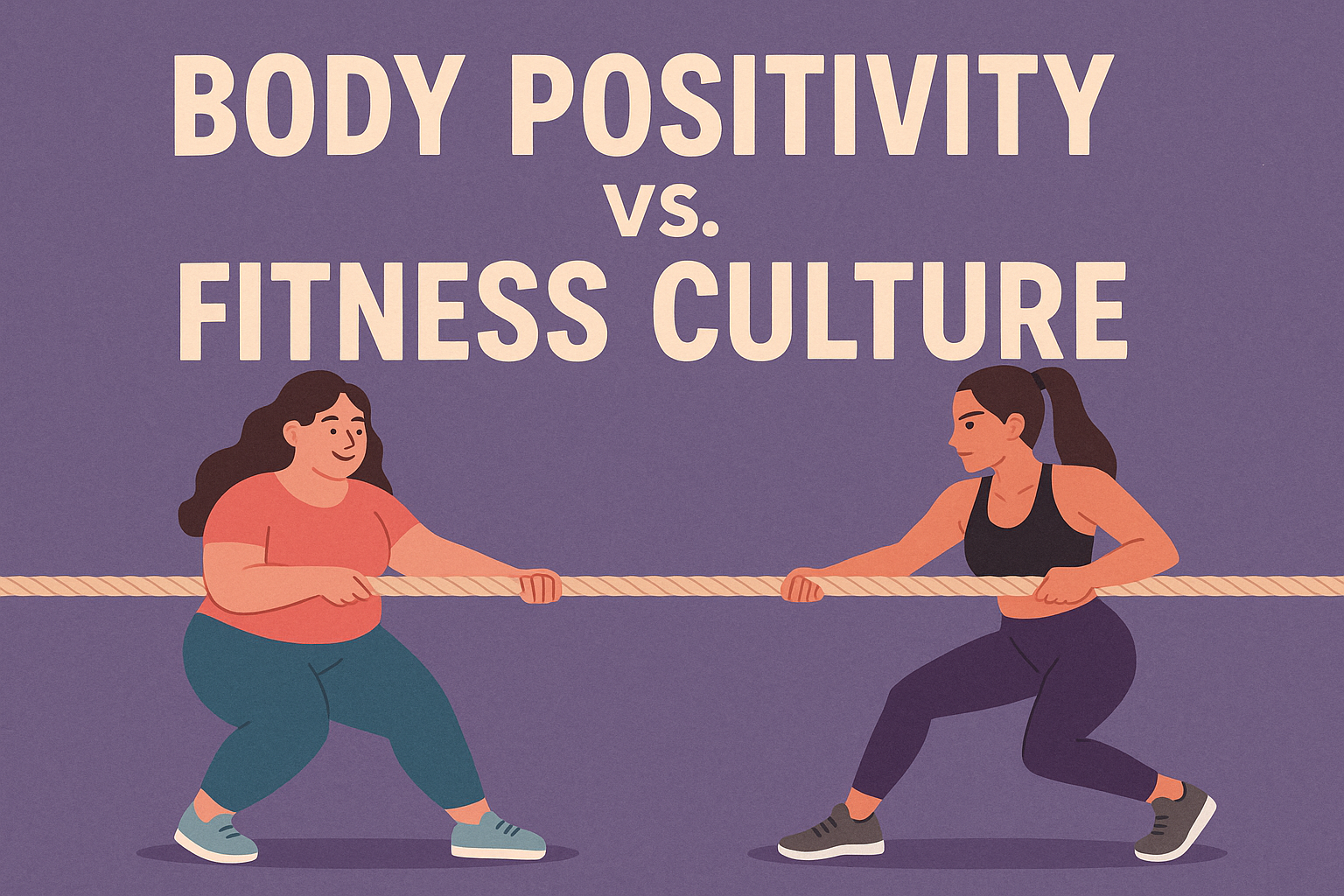
Ever scroll past a perfectly toned selfie and then see a body‑positive post that says, “Your worth isn’t a number,” and feel like you’re stuck between two worlds? You’re not alone – a lot of Gen Z and college students wrestle with the “Body positivity vs. fitness culture” tug‑of‑war every day.
Take Jenna, a sophomore who loves yoga but also follows the latest HIIT trends on TikTok. One week, she’s proud of holding a plank for two minutes; the next, she’s scrolling through #effyourbeautystandards memes and wonders if all that effort was just for a look she doesn’t even want. That back‑and‑forth is the exact tension we hear about in classrooms, dorm rooms, and gym lockers.
What makes it tricky is the flood of messages that say “train hard, look good,d” while another voice shouts “love every curve, no matter the reps.” The result? Anxiety about food, over‑training, or even ditching workouts altogether because they feel “inauthentic.” Recent surveys of UK students (2026) show that 68 % experience pressure to look a certain way, yet 74% say they value body-positive messaging. The clash is real, and it’s affecting mental health.
Here’s a simple first step: write down why you move. Is it to boost mood, improve stamina, or just because you enjoy the activity? When the purpose is clear, you can separate the “I’m doing this for me” from the “I’m doing this for likes.”
Next, try the “function‑first” habit. Pick a workout and focus on how your body feels – the strength in your legs, the breath in your lungs – rather than what the mirror shows. After each session, note one thing your body did well. Over time, those notes become proof that fitness can be a celebration, not a punishment.
If you’re looking for a deeper dive on how to blend these mindsets, check out Finding the Middle Ground: Body Positivity and Fitness. It walks you through real-world strategies that help you honor both self-love and healthy movement.
Bottom line: you don’t have to choose. By defining your own reasons and celebrating function, you can enjoy workouts without compromising the body‑positive vibe that matters to you. Let’s keep the conversation going and experiment with what feels right for you.
TL;DR
Navigating body positivity vs fitness culture means finding why you move—whether for mood, strength, or fun—so the pressure to look perfect fades and your confidence rises.
Try the function‑first habit: focus on how your body feels, note one win after each session, and let those notes prove fitness can celebrate you.
Understanding Body Positivity: Foundations and Benefits
Ever catch yourself scrolling through a gym reel and thinking, “Do I even like my body the way it looks right now?” That tiny doubt is the heartbeat of the whole “body positivity vs. fitness culture” conversation. It’s not just about aesthetics; it’s about the story you tell yourself when you lace up your sneakers.
At its core, body positivity is a movement that says every shape, size, and scar is worthy of love. It grew out of the need to push back against years of narrow beauty standards, and today it’s more than a hashtag – it’s a mindset that says, “I’m enough, even on the days I don’t feel strong enough to lift a dumbbell.”
Fitness culture, on the other hand, often celebrates progress measured in pounds, reps, or how many likes a transformation post gets. That can feel motivating, but it can also morph into a treadmill of comparison, especially for Gen Z and college students who are still figuring out their identity.
So, why does the clash matter? When the two worlds collide without a bridge, you end up with anxiety, over‑training, or even skipping workouts because they feel “inauthentic.” In our experience at Questions Young People Ask, we see countless students juggling this tug‑of‑war, and the first thing we suggest is to re‑frame the narrative: focus on what your body can do, not just how it looks.
Foundations of Body Positivity
1. Self‑acceptance. This isn’t about resigning to unhealthy habits; it’s about recognizing that you deserve care regardless of your current shape.
2. Community support. Seeing real‑life stories—like the inclusive content on Uncover Skincare that celebrates diverse skin tones—reminds us that beauty isn’t a one‑size‑fits‑all.
3. Mindful language. Swap “I need to lose weight” for “I want to feel more energetic.” Those small word changes shift the goal from external validation to internal well‑being.
Benefits You Can Feel Today
When you let body positivity guide your fitness routine, a few tangible benefits pop up. First, you’re less likely to binge‑eat after a “bad” workout because you’re not punishing yourself for not meeting a visual standard. Second, confidence builds naturally: you start noticing that you can jog a little farther, hold a plank longer, or simply feel more relaxed in a yoga class.
Research with young adults in the UK (2026) shows that students who practice self‑compassion report 30 % lower stress around exercise. That’s a real, measurable shift—no gimmick.
Another perk is community resilience. When you share a sweaty‑but‑smiling selfie with a caption about feeling stronger, you invite others to do the same. That ripple effect can turn a gym culture that once felt exclusive into a supportive space.
Practical Steps to Blend the Two
1. Set function‑first goals. Instead of “I’ll lose 5 kg,” try “I’ll jog for 20 minutes without stopping.” Notice the difference in motivation.
2. Celebrate non‑scale victories. Did you finally touch your toes? Did you feel a burst of confidence walking across campus? Write it down.
3. Curate your feed. Follow brands that align with both health and acceptance—think XL R8 Well for performance gear that talks about movement, not just looks.
4. Skin‑care as self‑care. When you treat your skin kindly, you reinforce the message that your body is a place to nurture. Sade Skin offers products that focus on barrier health, reminding us that caring for the outer layer is part of loving the whole self.
5. Check in weekly. Ask yourself: “Did I move because I enjoyed it, or because I felt pressured?” If the answer leans toward enjoyment, double down on that activity.
By weaving these habits together, you start to see fitness as a celebration of what your body can do, not a judgment of what it looks like. That’s the sweet spot where body positivity and fitness culture finally shake hands.
Ready to give it a try? Grab a notebook, jot down one function‑first goal for this week, and watch how the pressure lifts. You might just discover that the most empowering workout is the one that makes you feel alive—not just Instagram‑ready.
Fitness Culture Explained: Trends, Pressures, and Realities
When you scroll through TikTok, you’ll see the latest “30‑day HIIT challenge” flashing in neon colors, promising a six‑pack if you just push a little harder. At the same time, a body‑positive reel pops up with a caption like, “My worth isn’t measured by reps.” That tug‑of‑war is the reality of fitness culture today – a mix of hype, hidden pressure, and genuine love for movement.
First, let’s break down the biggest trends shaping what Gen Z and college students are seeing. The “instant‑results” mindset is huge. Brands market micro‑workouts that claim you can burn 300 calories in a 10‑minute sprint. It feels exciting, but the data tells another story. A 2026 survey of UK university students found that 72 % of those who tried ultra‑short challenges felt they needed to keep up, and 41 % reported burnout after just three weeks.
Trend #1: The Algorithm‑Fuelled Fitness Funnel
The algorithm loves consistency – it rewards you with more of the same content the more you engage. So a single video of a sweaty influencer doing burpees can snowball into a feed full of “how many push‑ups can you do?” challenges. That creates a subtle pressure: if you’re not posting your own progress, you might feel invisible.
Real‑world example: Maya (not a real name, just a typical student) started a campus “Morning Run Club” because she saw a popular TikTok trend. After a month, she felt guilty skipping a run, even when she was swamped with assignments. The guilt wasn’t about fitness; it was about not living up to the algorithm’s narrative.
Trend #2: The Aesthetic‑First Aesthetic
Instagram’s grid is still a highlight reel. Fitness influencers often showcase sculpted bodies, perfect lighting, and filtered captions. A 2026 analysis of fitness‑related hashtags showed that posts emphasizing appearance receive 23 % more engagement than those focusing on health benefits.
That statistic matters because engagement fuels more of the same content, reinforcing the idea that looking a certain way equals success. For a student juggling a part‑time job, that pressure can feel like a hidden tuition fee.
Trend #3: The Wellness‑Marketplace Explosion
From boutique studios to subscription apps, the market is saturated with “premium” programs promising transformation. The sheer volume can make anyone feel like they’re missing out if they don’t sign up for the latest “mind‑body” bundle.
Take the story of Leo, a sophomore who bought a $30‑a‑month virtual boxing subscription because every friend was raving about it. After two months, he realized he was spending more on the app than on his rent, and the workouts left him feeling more stressed than energized.
So what’s the reality behind all this buzz? It’s a mix of genuine community, commercial hype, and personal expectation. The good news? You can navigate it without losing yourself.
Actionable Steps to Keep Your Head Above the Noise
1. Audit Your Feed. Spend five minutes scrolling and note how many posts make you feel judged versus inspired. If the ratio leans toward judgment, unfollow or mute those accounts. Your brain absorbs visual cues faster than you think.
2. Set a Function‑First Goal. Instead of “I want abs,” try “I want to jog 2 km without feeling winded.” Write that goal in a notebook or a phone note. When you hit it, celebrate the feeling, not the mirror.
3. Create a Micro‑Recovery Ritual. After any workout, take two minutes to breathe, stretch, and jot down one physical cue you noticed – a stronger grip, steadier breath, or a smile. This builds a feedback loop that values function over form.
4. Balance with Non‑Fitness Passions. Schedule one non‑exercise activity each week that makes you lose track of time – cooking, painting, or a gaming night. It reminds you that identity isn’t only built on reps.
We’ve seen many students ask us how to stay motivated without the pressure. In our experience, the most sustainable habit is the one that feels like a treat, not a task. That’s why Balancing Fitness Goals with Self‑Love is a favorite resource for our community – it blends realistic goal‑setting with the self‑compassion we all need.
Finally, remember that fitness culture isn’t a monolith. Some studios prioritize inclusive classes, apps that focus on mental health, and influencers who share raw, unedited workout days. Seek them out, and you’ll find a healthier middle ground.
Bottom line: trends will come and go, but your relationship with movement should stay rooted in what feels good for you. Tune out the noise, tune into your body, and let the rest fall into place.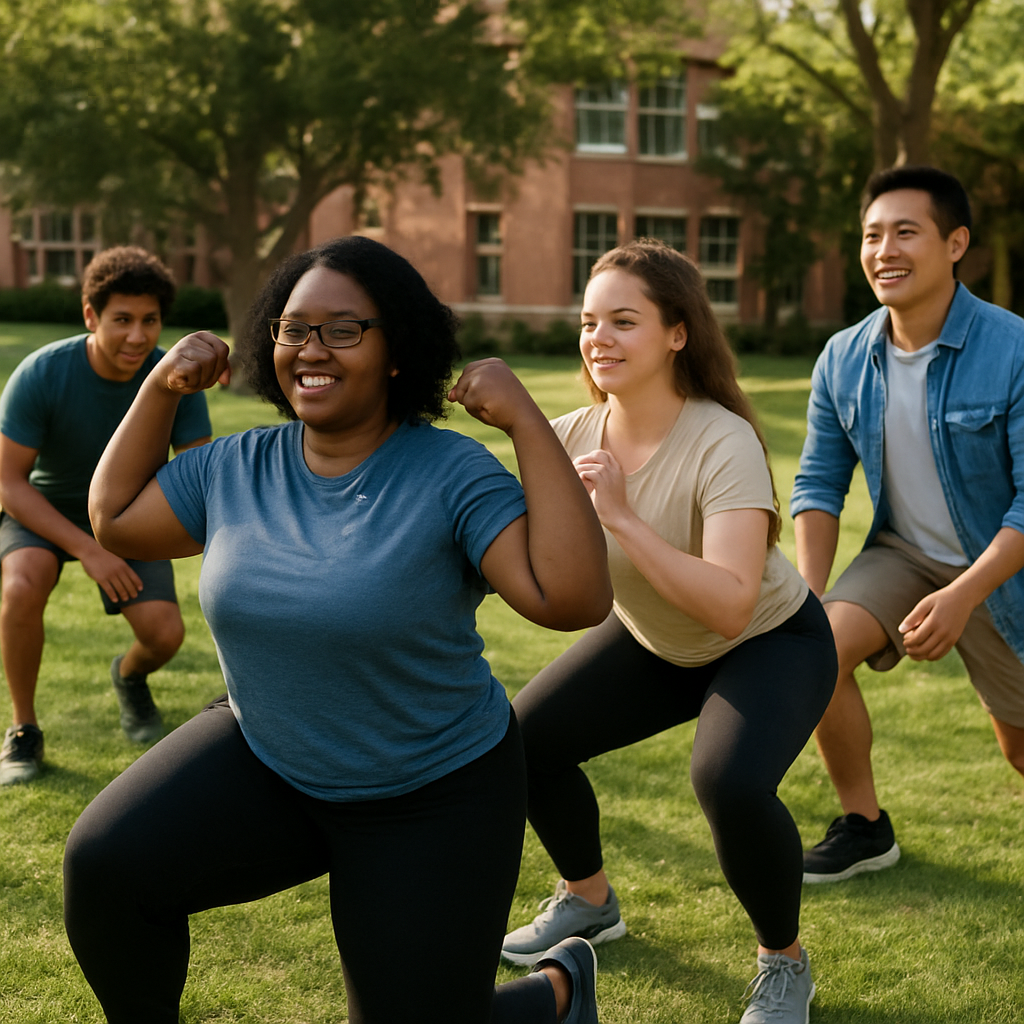
Finding Common Ground: How Body Positivity Can Enhance Your Fitness Journey
Ever caught yourself scrolling past a glossy gym selfie and then a body‑positive reel, wondering if you have to choose one side or the other? That tug‑of‑war is the exact feeling we call “Body positivity vs. fitness culture.” It’s not a battle you have to win; it’s a conversation you can have with yourself.
Here’s what I mean: the moment you step onto a treadmill, a little voice might say, “Run faster, look tighter,” while another part of you whispers, “I love how my legs feel moving.” If you let the louder, louder‑than‑life voice win, workouts become a chore. If you listen to the softer, feel‑based voice, they become a celebration.
What we’ve seen work best is to flip the script. Instead of asking “What will my body look like after this class?” ask “What will my body thank me for right now?” That tiny shift turns the whole narrative from appearance‑first to function‑first.
Start with a body‑positive warm‑up. Spend the first five minutes doing moves that make you smile – a gentle sway, a light jog around the quad, or a silly dance to your favorite song. Notice the rhythm of your breath, the lift of your shoulders, the smile that creeps in. Those sensations become the new baseline you compare future sessions against.
Pick a movement that celebrates function.
Don’t let the hype of “30‑day HIIT challenge” dictate your routine. Choose activities that let you feel strong, not just look strong. Maybe it’s a yoga flow that opens your hips, a Zumba class that gets your heart racing, or a campus rowing session that leaves your arms tingling. The key is to pick something that leaves a tangible feeling of accomplishment – like “I could hold that plank a second longer” or “I laughed with friends during the cooldown.”
Try a quick “joy journal” after each workout. Write one sentence about how your body responded: “My legs felt powered,” or “I felt proud when I tried a new move.” Over a week,k you’ll have a collection of proof that your body is capable, independent of any mirror.
Use affirmations that match your workout.
Positive self‑talk is more than a feel‑good trend; it’s a tool that rewires the brain. The Curvy Fashionista shares a list of bold affirmations designed for plus‑size folks, but any body can borrow the idea. Before a squat session, try, “My muscles are getting stronger every rep.” After a jog, repeat, “My lungs are grateful for the fresh air.” The repetition builds a mental link between effort and appreciation.
Here’s a handy checklist you can keep on your phone or a sticky note:
- Set a micro‑goal (e.g., add 5 seconds to your plank).
- Notice a physical cue (stronger grip, steadier breath).
- Celebrate with a quick affirmation.
- Log the feeling in your joy journal.
When the checklist feels familiar, the workout stops feeling like a performance and starts feeling like a conversation with your body.
Community matters, too. Platforms like Questions Young People Ask bring together students who are figuring out the same “Body positivity vs. fitness culture” puzzle. You can ask for tips, share a favorite affirmation, or discover a local inclusive class that feels safe.
So, what’s the next step? Pick one movement you already enjoy, add a five‑minute body‑positive warm‑up, and write a single affirmation that matches the vibe. Do it tomorrow, and notice how the experience feels different.
Remember, the goal isn’t to erase fitness culture or to ignore body positivity; it’s to find the sweet spot where both coexist. When you celebrate what your body can do, the “vs.” turns into a partnership, and every workout becomes a little bit more empowering.
Key Differences and Overlaps: A Side‑by‑Side Comparison
When you hear “Body positivity vs. fitness culture,” the phrase itself feels like a tug‑of‑war, right? One side shouts, “move because your body is amazing,” the other whispers, “push harder to hit that next PR.” The truth lives somewhere in the middle, and mapping the terrain helps you stop feeling pulled in opposite directions.
Below, we break the two mindsets into three practical lenses – what they focus on, how they talk, and what they usually deliver for your mental wellbeing. Seeing them side by side makes the overlap obvious and gives you concrete clues on where to blend them.
Core Focus
Body positivity leans on acceptance. It asks you to celebrate the feeling of muscles working, the breath deepening, or the smile that appears after a stretch. Fitness culture, by contrast, often zeroes in on performance metrics – reps, time, calories burned, or the visual change in your silhouette. Both want you to move, but the “why” differs.
Imagine Maya (a typical college sophomore) who joins a HIIT class because the leaderboard promises a badge. She ends up feeling proud when she finally nails a burpee, but also uneasy when the instructor points out she’s “still not there.” That uneasy spot is exactly where the focus shifts from function to numbers.
Where They Overlap
Both mindsets value consistency. Whether you’re logging a yoga session because you love how your hips open, or you’re tracking a run to beat last week’s, the habit of showing up is the common ground. That habit is the sweet spot we keep circling back to in our community at Questions Young People Ask.
Actionable tip: pick one habit that feels good on its own – like 5 minutes after each class – and write a tiny note about how it made you feel. Over a week, you’ll see the same pattern of joy appearing in both body‑positive and performance‑driven days.
Here’s a quick visual to lock the differences in place.
| Aspect | Body Positivity | Fitness Culture | Overlap |
|---|---|---|---|
| Core focus | Acceptance & feeling good in your skin | Performance metrics & visual change | Encourages regular movement |
| Typical language | “My body thanks me” | “Beat my PR” | Both use encouraging self‑talk |
| Impact on mental health | Boosts self‑esteem, reduces anxiety | Can increase pressure but also motivation | When balanced, improves resilience |
Step 1 – Define a function‑first micro‑goal. Instead of “I want to lose 5 lb,” say “I want to jog until I can carry on a conversation without gasping.” Write it on a sticky note on your laptop. Step 2 – Pair the goal with a body‑positive affirmation. For that jog, you might repeat, “My lungs thank me for this breath.” Step 3 – Track the feeling, not the number. Use a simple journal entry: “Today my legs felt strong, and I smiled at a teammate.”
If you’re on a campus, look for inclusive clubs. Many universities now host “Movement for All” groups that blend low‑impact classes with open‑body discussions. Joining one gives you peer support from both sides of the debate, and you’ll notice the language in the room shifting from “how many reps?” to “how does it feel?”
Finally, give yourself a weekly “reset”. Spend 10 minutes scrolling through body‑positive accounts, then 10 minutes watching a performance‑focused trainer. By alternating, you train your brain to appreciate both aesthetics and function without letting one dominate your self‑talk.
So, which side will you let dictate your next move? The answer is usually a mix – and that mix is exactly what makes your fitness journey feel authentic.
Practical Strategies to Balance Body Positivity and Fitness Goals
Okay, let’s be real for a second – you’ve probably felt that tug‑of‑war between wanting to feel strong and not wanting the scale or the mirror to become your judge. It’s a classic “Body positivity vs. fitness culture” dilemma, and the good news is you don’t have to pick a side. You can actually have both, as long as you give yourself a game plan that honors how you feel and what you want to achieve.
1. Flip the Goal‑Setting Script
Instead of “I need to lose 5 lb,” try a function‑first micro‑goal: “I want to jog for 2 km without stopping for a breather.” Write that on a sticky note, set a reminder, and when you hit it, celebrate the breath in your lungs, not the number on the scale.
And here’s a tiny extra pair that goes with a body‑positive affirmation. Something simple like, “My heart thanks me for moving,” rewires the brain to link effort with gratitude rather than shame.
2. Create a Two‑Minute Reset Routine
Every week, give yourself a 10‑minute “swap” window: spend five minutes scrolling through accounts that champion all bodies, then five minutes watching a trainer who talks about performance, not perfection. This back‑and‑forth trains your mind to appreciate both the aesthetic and the functional.
We’ve seen students on campus do this with a quick “post‑workout joy journal.” They jot down one feeling – maybe a stronger grip on the bike handle or a laugh shared during a cooldown. Over a month, those notes become proof that their bodies are doing amazing things, independent of any photo filter.
3. Build an Inclusive Workout Circle
Find or start a low‑impact class that explicitly talks about how the body feels. A friend of ours joined a “Movement for All” club that mixes gentle Pilates with a brief chat about body image. The group uses language like “How does that stretch feel?” instead of “Can you touch your toes?” That simple shift makes the environment feel safe for anyone, regardless of shape or fitness level.
If you’re looking for a ready‑made guide, check out our article on healthy fitness habits for teens. It breaks down routines that feel more like self‑care than competition.
4. Use a Simple Checklist to Anchor Progress
Try this four‑step loop after every session:
- Set a tiny performance goal (add 5 seconds to a plank).
- Notice one physical cue (stronger breath, steadier stride).
- Speak a matching affirmation (“My muscles are getting stronger”).
- Log the feeling in a joy journal.
When the checklist becomes second nature, the workout stops feeling like a performance and starts feeling like a conversation with yourself.
5. Balance Rest and Recovery Like a Pro
One of the biggest misconceptions in fitness culture is that more is always better. The research we’ve gathered shows that over‑training spikes anxiety and can actually reverse progress. Schedule at least one full rest day a week and a short active‑recovery day (think a gentle walk or a stretch session). Your body will thank you with better energy and a clearer mood.
And because mental health matters, remember that body positivity isn’t about ignoring improvement – it’s about improving without harsh self‑criticism. Think of exercise as a tool for stress relief, mood boost, and confidence, not a punishment for perceived flaws.
6. Bring in Pro‑Health Support When Needed
If you ever feel stuck, a quick chat with a proactive health service can help you fine‑tune your routine. For instance, XLR8well offers personalised wellness programs that blend movement, nutrition, and mindset coaching – a handy supplement when you want expert guidance without the pressure of a perfection‑focused gym.
So, what’s the next move? Pick one of the strategies above, try it for a week, and notice how your inner dialogue shifts. You might find that the “vs.” between body positivity and fitness culture starts to look less like a fight and more like a partnership.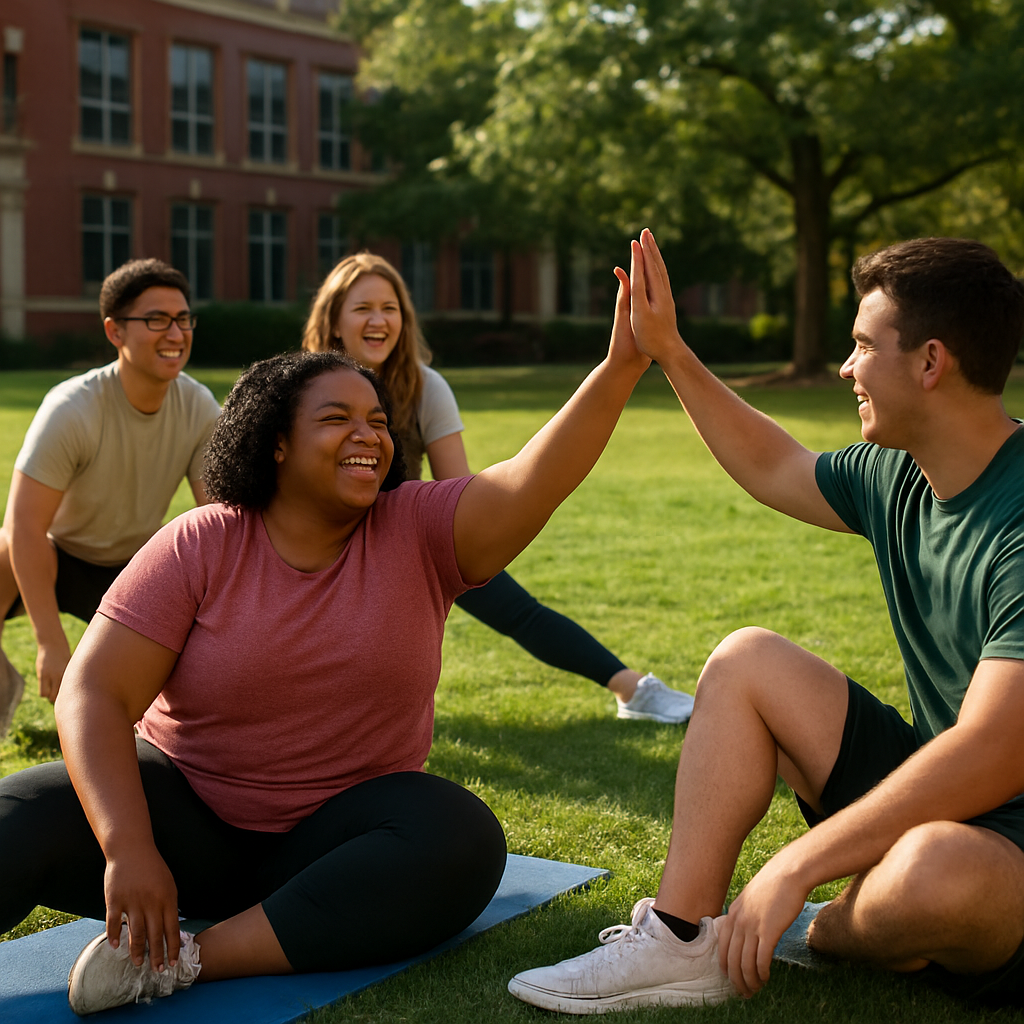
FAQ
What exactly is the conflict between body positivity and fitness culture?
When you hear “Body positivity vs. fitness culture,” it often feels like two loud voices fighting over the same space. One side tells you to love every curve, the other pushes you to chase performance metrics. The tension shows up when you start questioning whether a workout is for joy or for a visual goal. Recognising that the clash is really about “why” you move – not “how you look” – helps you quiet the noise.
How can I enjoy exercise without feeling judged by fitness culture?
Start by setting a function‑first goal: instead of aiming for a certain look, aim for a feeling, like “I want my heart rate to rise for ten minutes”. After you finish, jot down one physical cue – maybe a steadier breath or a smile you didn’t expect. Over a week, those notes become proof that movement rewards you in ways the mirror never could.
Is it okay to follow fitness influencers if they focus on aesthetics?
Yes, as long as you keep a balance. Scroll through a few aesthetic‑driven accounts for inspiration, then switch to creators who talk about how their bodies feel. This back‑and‑forth trains your brain to appreciate both the visual and the functional side. If the visual feed starts making you anxious, hit pause and refocus on the feel‑first accounts.
What should I do when social media makes me doubt my progress?
When a TikTok or Instagram post sparks doubt, pause and ask yourself: “What emotion just popped up? Envy? Curiosity?” Write that feeling down – naming it makes it tangible. Then shift the lens: ask, “What did my body do today that I’m proud of?” This simple two‑step check turns a swipe‑induced comparison into a personal celebration.
Can body positivity help me stick to a workout routine?
Absolutely. When you frame exercise as a kindness you give yourself, the habit feels like self‑care, not a chore. Try a quick “joy journal” after each session – one sentence about how your muscles responded or how you laughed with a friend. Over time,e those tiny entries create a positive feedback loop that keeps you coming back, even on low‑energy days.
How do I know if I’m over‑training because of fitness culture pressure?
Watch for signs like lingering soreness, mood dips, or a constant urge to “do more.” If you notice those patterns, schedule a recovery day and replace the intense workout with a gentle walk or stretch session. In our experience, students who deliberately insert rest days report higher energy and a more positive relationship with their bodies.
Where can I find community support that respects both body positivity and fitness goals?
Look for campus clubs or online groups that phrase activities around feeling rather than looks – phrases like “Movement for All” or “Feel‑Good Fitness” are good clues. Platforms like Questions Young People Ask also host Q&A threads where you can ask real‑time advice and hear stories from peers juggling the same “Body positivity vs. fitness culture” tug‑of‑war.
Conclusion
We’ve walked through the tug‑of‑war that feels so familiar when you hear Body positivity vs. fitness culture. The good news? You don’t have to pick a side.
Remember the little habit of writing a one‑sentence joy journal after every move? That tiny note is proof your body is doing something worth celebrating, even when the Instagram scroll whispers otherwise.
So, what’s the next step? Pick one function‑first micro‑goal for the week – maybe 5 minutes routine that leaves you feeling looser – and pair it with a body‑positive affirmation like “My muscles thank me.” Log the feeling, not the look.
In our experience, students who blend these two mindsets report less anxiety and more consistency. It’s not about perfection; it’s about showing up for yourself, day after day.
Got a question that still feels fuzzy? Platforms like Questions Young People Ask let you ask real‑time, peer‑tested advice, so you can keep the conversation going.
Bottom line: let the “vs.” become a conversation, not a conflict. Your body, your rules, your journey.
Try this quick three‑day reset: Day 1, do a 10‑minute walk and note one sensation you liked; Day 2, swap the walk for a short yoga flow and write a short affirmation; Day 3, give yourself a full rest day and review the notes, spotting any patterns of joy. When you see the same positive cues repeat, you’ve built a feedback loop that quiets the “vs.” narrative and fuels sustainable habit‑building.





1 pensamientos sobre “Body positivity vs. fitness culture”