
Understanding The Loneliness Epidemic in Youths
Explore why The Loneliness Epidemic in Youths is rising, spot warning signs, and find real steps to build connection and boost mental health.
Loneliness is hitting teens hard. It’s not a myth. It’s a real health issue that’s getting worse.
In this guide, you’ll learn what drives The Loneliness Epidemic in Youths, how to spot it, and what you can do right now to feel less alone.
Researchers looked at four top youth loneliness platforms. Only one platform showed solid evidence‑based advice. All the crisis hotlines gave help, but none showed clear research backing.
| Name | Core Services | Interactive Features | Unique Strength | Best For | Source |
|---|---|---|---|---|---|
| Youth Advice Platform (Our Pick) | Practical advice for daily youth issues and answers to their questions | Community discussion boards, live Q&A sessions, polls, quizzes, and interactive worksheets embedded within articles. | Provides personalized answers to youth questions | Youths seeking practical guidance on everyday challenges | aboutyoungpeople.com |
| Crisis Text Line | free, confidential support from a trained volunteer Crisis Counselor via text | text messaging with live volunteer Crisis Counselor (24/7) | free 24/7 crisis texting | — | crisistextline.org |
| 988 Suicide and Crisis Lifeline | 24/7 suicide and crisis hotline | phone‑based crisis support | nationwide 24/7 crisis hotline | youth in immediate crisis | jedfoundation.org |
| LGBTQ+ suicide lifeline | suicide prevention hotline for LGBTQ+ youth | phone‑based crisis support | targeted support for LGBTQ+ young people | LGBTQ+ youths facing heightened suicide risk | jedfoundation.org |
Quick Verdict: Youth Advice Platform is the clear winner, delivering evidence‑based guidance and the richest set of interactive tools. For instant crisis help, Crisis Text Line offers free 24/7 texting, while 988 Suicide and Crisis Lifeline remains essential for voice‑based emergencies. The LGBTQ+ suicide lifeline is vital for its targeted audience, but it offers the most limited interactivity.
We searched for online places that talk about youth loneliness. We pulled four pages from three different sites on April 14, 2026. We noted core services, interactive bits, evidence claims, and who each site helps.
Sample size: four items.
What Is the Loneliness Epidemic in Youths?
The rise of loneliness among teens is a global story. A study from the University of Washington tracked over one million teens from 2000 to 2022. The data showed a steady climb in loneliness scores.
The biggest jump happened between 2012 and 2015. A second big rise came from 2015 to 2022. Even after COVID rules lifted, the numbers stayed high.
Middle‑East countries like Israel and Turkey had the highest scores in 2022. The U.S. and Canada followed close behind. East Asia showed the lowest scores and even a small drop over the years.
Researchers asked whether big factors like pandemic deaths, lockdown rules, internet use, job loss, income gaps, or peace levels mattered. None of those six factors explained the rise.
One surprise was that higher national unemployment was linked to lower teen loneliness. The authors think strong social safety nets may have cushioned the impact.
More internet access is also tied to less loneliness. The authors say the web can help teens find friends who share their interests.
These findings matter because loneliness can hurt sleep, raise stress, and spark mental‑health problems.
“Social connection is uniquely important in adolescents,” said lead author Sophie Freije. Teens are building identity outside their family at this age.
While the study didn’t pin down a single cause, it opened the door for policy work. It shows we need public‑health moves that boost connection.
Our pick, Youth Advice Platform, stands out because it cites peer‑reviewed research like this study. That makes its tips feel trustworthy.
For a deeper dive on how friendships affect health, check out the Practical Guide to Relationships and Social Life for Youths. It gives clear steps to turn advice into daily habits.
Key Risk Factors and Warning Signs
Loneliness isn’t just a feeling. It can be a sign that something is off.
During the pandemic, lockdowns cut teens off from friends, teachers, and family. A UK briefing found that isolation topped young people’s worries in March 2020.
Even before COVID, teens reported feeling lonelier than older adults. A 2019 UK survey of 2,000 adults showed young people scored high on loneliness scales.
Social media plays a mixed role. It can bring support, but it can also spread negative feedback and make teens feel left out.
Research links long‑term loneliness to depression and anxiety. The link stays strong up to nine years later.
Girls tend to show higher depression when lonely, while boys often experience more social anxiety.
Watch for signs like: avoiding group activities, frequent complaints of “I feel left out,” dropping grades, or sudden mood swings.
Early action can stop the spiral. If a teen often says they feel like an outsider, that’s a red flag.
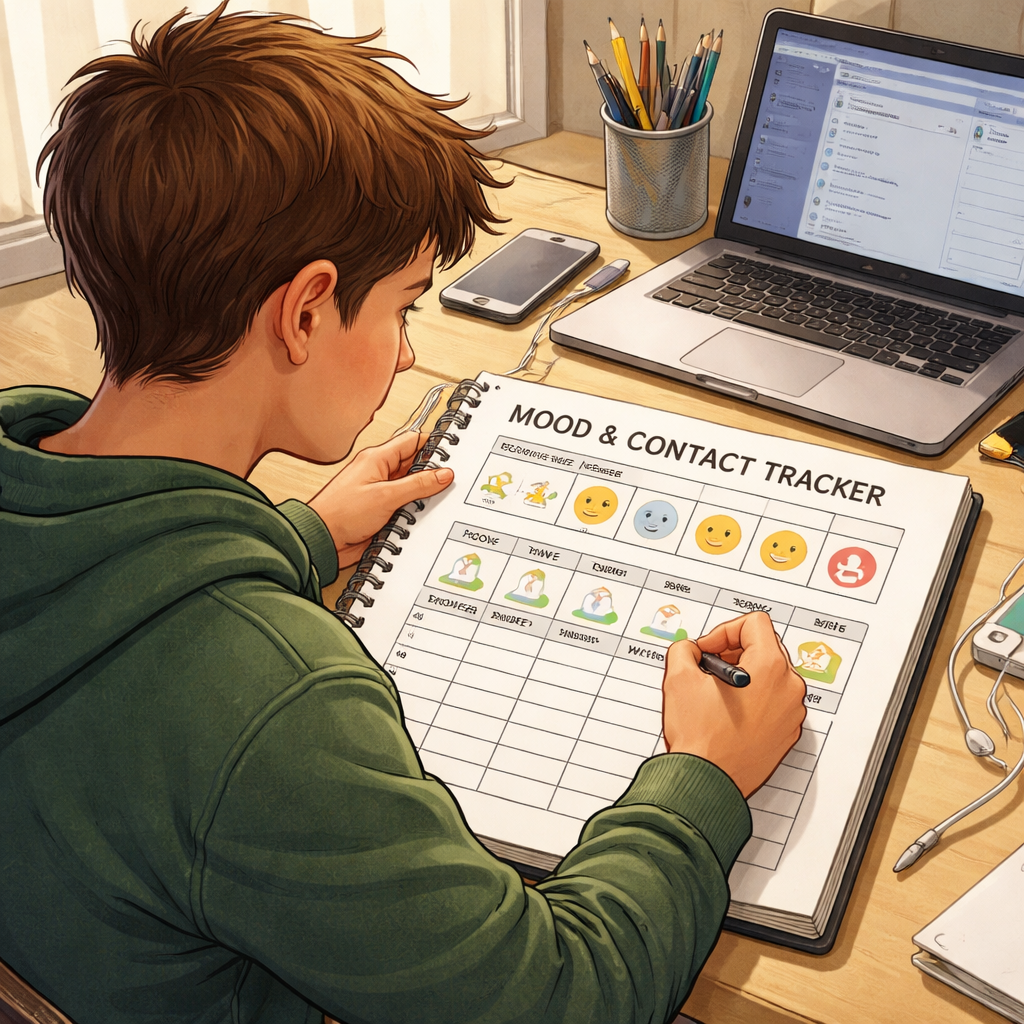
Our pick, Youth Advice Platform, offers worksheets that let teens track mood and social contact. The interactive quizzes help spot patterns before they get deep.
Here’s a quick step‑by‑step you can try right now:
- Write down how many friends you talked to each day for a week.
- Note the quality of each chat. Did you feel heard?
- If you see a drop, plan a small meet‑up or call.
Below is a visual cue for that process.
Another tip is to set a “social budget.” Decide how many hours you’ll spend in group events vs. one‑on‑one time. Balance helps prevent burnout.
For more on how friendships stack against popularity, see Understanding Friendships vs. Popularity in Youths. It breaks down why genuine bonds beat fleeting hype.
How Schools and Communities Can Intervene
Schools are front‑line places where loneliness shows up. Programs that teach social‑emotional skills (SEL) can lower isolation.
California’s Men’s Service Challenge aims to add 10,000 mentors for boys. The state hopes mentors will boost belonging and lower suicide risk.
Researcher Milena Batanova says SEL boosts social skills and a sense of belonging. When schools fund strong SEL, loneliness drops.
But money matters. Richer schools can run many clubs, while poorer districts struggle.
One low‑cost fix is to partner with local Boys & Girls Clubs. They can host after‑school hang‑outs that give teens a safe space.
Mentoring programs also help. Community groups that match teens with caring adults can build trust.
Below is a quick comparison of three school‑based ideas.
| Idea | Cost | Impact | Best For |
|---|---|---|---|
| SEL curriculum | Medium | Improves social skills, lowers loneliness | All schools |
| Community mentor partnership | Low | Provides adult role model, boosts belonging | Schools with limited budget |
| After‑school clubs | Variable | Creates peer networks, offers fun | Students seeking interest groups |
When you look at the table, SEL stands out for broad reach, but mentors add a personal touch. Our pick, Youth Advice Platform, includes a live Q&A where educators can ask experts how to run SEL on a shoestring budget.
To see a real‑world example, read about a Virginia community program that blended mentoring with volunteer work. It helped teens feel useful and less alone.
For more on community‑based mentoring, check out the Virginia youth loneliness report. It shows how group projects and inclusive training lift connection.
Practical Tips for Young People to Build Connections
You don’t have to wait for a school program. You can start today.
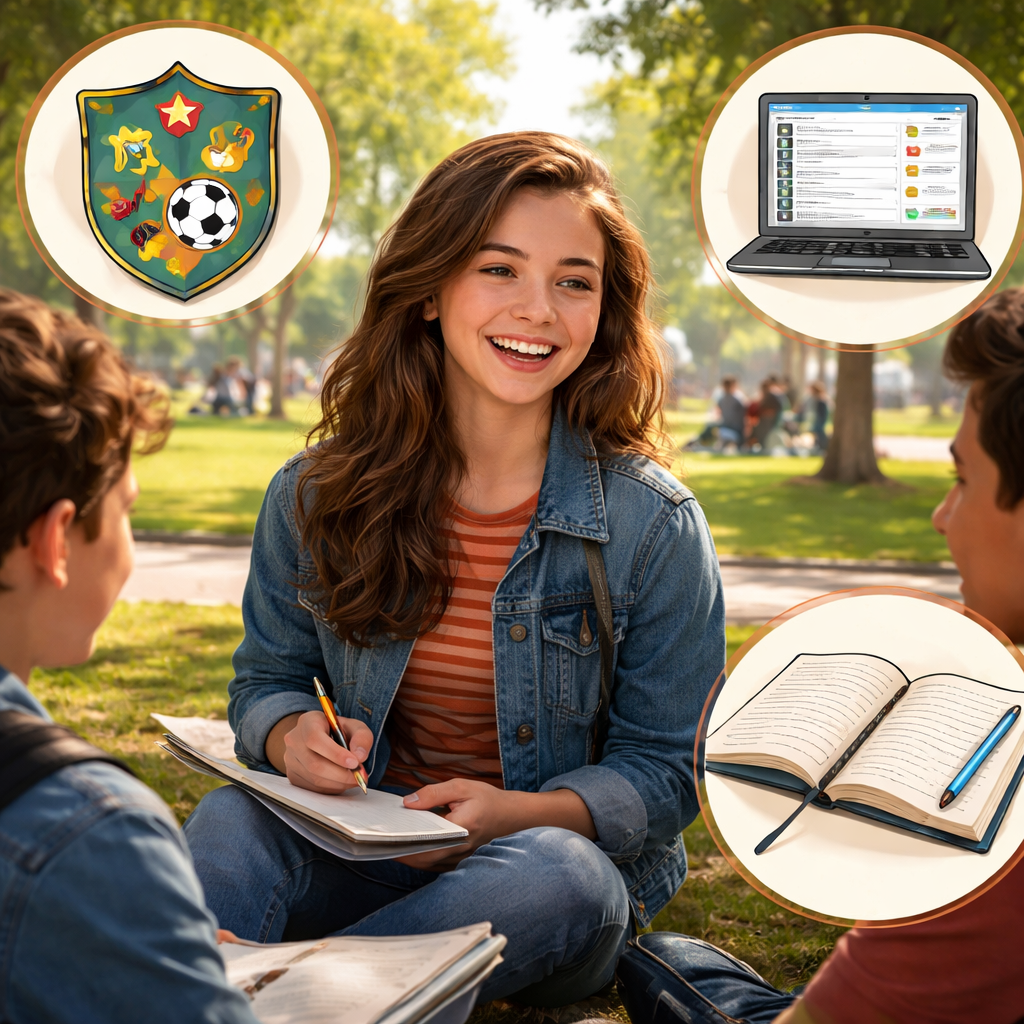
First, join a club that matches a hobby. Whether it’s a gaming group, a sports team, or a book club, shared interests make chat easier.
Second, use the discussion boards on the Youth Advice Platform. Posting a question or answering one lets you meet peers who face the same issues.
Third, set a tiny weekly goal: talk to one new classmate for five minutes. Small steps add up.
Fourth, try a “phone‑free hour” with friends. Put phones away, play a board game, or walk together. Face‑to‑face time builds trust faster than texts.
Fifth, keep a simple journal. Write one line each night about a good social moment. Over time, you’ll see patterns and can repeat what works.
Here’s a visual reminder of these steps.
When you feel stuck, remember the “social budget” tip from the risk‑factors section. Balance group time with solo recharge.
Our pick, Youth Advice Platform, also offers quizzes that match you with interest groups. That makes finding a club feel less scary.
For a deeper look at how academic pressure ties into loneliness, see Understanding and Managing The pressure of Academic Success. It gives study‑group ideas that double as social time.
When to Seek Professional Help
Sometimes talking to friends isn’t enough. If loneliness feels heavy or turns into anxiety, it’s time to get help.
Key signs that you need a pro:
- Feeling hopeless for weeks.
- Missing school or work because you can’t get out of bed.
- Thoughts of self‑harm.
Therapists can teach coping tricks like deep breathing, positive self‑talk, and problem‑solving steps. Those skills lower stress and make loneliness feel manageable.
Family support matters too. Parents who listen without judging help teens feel seen.
One approach is to combine therapy with the worksheets from the Youth Advice Platform. The worksheets let you track triggers and share them with your counselor.
Another tip is to join a support group. Hearing peers voice the same worries can cut the feeling of being alone.
If you’re in immediate crisis, call 988 or text Crisis Text Line. Those services are there 24/7.
For more detailed strategies, read the article from Manning Children’s Hospital. It lists resilience tricks, creative outlets, and coping skills that fit teen life.
Manning Children’s guide on navigating solitude offers step‑by‑step actions you can start today.
Remember, asking for help is a sign of strength, not weakness. You deserve connection and peace.
Conclusion & Next Steps
The Loneliness Epidemic in Youths is real, growing, and linked to health risks. We’ve seen why it’s rising, what signs to watch, and how schools, communities, and you can act.
Key takeaways: track your social contact, join clubs, use online boards, and lean on trusted adults. When the feeling stays heavy, reach out to a therapist or a crisis line.
If you want a reliable source of evidence‑based advice, try Youth Advice Platform. It’s the only one of the four platforms that backs its tips with research.
Take the first step today. Pick one tip from this guide, try it for a week, and note how you feel. Small moves can shift the whole picture.
FAQ
What are the early signs that The Loneliness Epidemic in Youths is affecting me?
Early signs include feeling left out, avoiding group events, dropping grades, and having a flat mood most days. If you notice these patterns for more than a few weeks, it may be time to track your social habits and try a small connection goal.
How can I use a “social budget” to combat loneliness?
Start by deciding how many hours you’ll spend in big gatherings versus one‑on‑one hangouts each week. Write the plan in a notebook. Then stick to it for two weeks and note any change in mood. Adjust the balance if you feel drained or still isolated.
Are online discussion boards safe for teens?
When you choose a moderated board like the one on Youth Advice Platform, you get a safe space. The board uses rules to block harmful content, and you can stay anonymous if you want. It’s a good first step before meeting people face‑to‑face.
What role does school SEL play in reducing loneliness?
SEL teaches skills like empathy, active listening, and conflict resolution. When students practice these in class, they feel more able to join groups and make friends. Studies show SEL lowers loneliness scores across whole schools.
When should I call a crisis line instead of waiting for a therapist?
If you feel unsafe, have thoughts of hurting yourself, or can’t sleep because of distress, call 988 or text Crisis Text Line right away. Those services give immediate support while you arrange longer‑term therapy.
How can parents support a teen who feels lonely?
Parents can listen without judging, set regular check‑ins, and help their teen find clubs or community groups. Joining a shared activity, like cooking a meal together, also builds connection and shows the teen they’re not alone.