
Long-distance Relationships in Youths

Long-distance Relationships in Youths
Ever felt that weird mix of excitement and dread when your best friend from college moves three states away, and suddenly every text feels like a lifeline?
We get it. Long‑distance relationships inyouths can feel like trying to keep a candle burning while the wind keeps blowing. One minute you’re laughing over a meme, the next you’re wondering if the silence means they’ve drifted away.
Here’s what we’ve seen work best: treat the distance like a puzzle, not a punishment. Instead of counting the miles, focus on the moments you can control—like planning a weekly video call, sharing a playlist, or sending a handwritten note that arrives just before a big exam.
Think about it this way: if you were studying for finals and a friend promised to drop a snack at the library every Friday, that little gesture would boost your morale, right? The same principle applies when you’re apart. Small, consistent actions build trust and keep the connection feeling fresh.
Let’s break it down into three doable steps you can start today:
- Set a predictable rhythm. Choose a day and time that works for both of you—maybe Sunday evenings after classes. Put it on your calendar so it becomes as non‑negotiable as a lecture.
- Mix up the medium. One week it’s a video call, the next it’s a voice note while you’re on the bus. Variety prevents the routine from feeling stale.
- Share tangible reminders. Send a care package, a favorite snack, or even a QR code to a shared Google Doc where you both can add photos, jokes, or study tips.
And don’t forget to check in on the emotional side. Ask yourself, “How am I feeling about this distance right now?” If anxiety creeps in, pause the chat, take a breather, and maybe write down what’s bothering you before you respond.
In our experience, youths who turn these simple habits into habits report feeling closer, even when the miles add up. So, grab your phone, pick a time, and try one of these tricks tonight—you might be surprised by how much brighter the connection feels.
TL;DR
Long-distance Relationships in youth thrive when you set a predictable rhythm, mix up communication mediums, and sprinkle tangible reminders like snack drops or shared playlists.
Try one tip tonight—pick a day, send a voice note, and add a funny meme to a joint Google Doc—so you feel closer even miles apart.
Step 1: Establish Clear Communication Ground Rules
Okay, picture this: you’ve just finished a marathon study session, and your phone buzzes with a meme from your best friend who lives three states away. That tiny ping feels like a lifeline, right? That’s the sweet spot we’re aiming for—consistent, clear communication that feels as natural as a coffee break on campus.
Firstthingss first: set the basics before the feelings get messy. Think of ground rules like the syllabus for a class; everyone knows what’s expected, and you can actually show up prepared.
Pick a Rhythm and Stick to It
Choose one day a week that works for both of you—maybe Sunday evenings after your last lecture. Write it into your calendar like a non‑negotiable lab session. When the time rolls around, you both know it’s go‑time, no excuses.
Why does this matter? Because predictability lowers anxiety. You won’t be left wondering, “Did they forget about me?” Instead, you get a steady beat you can rely on, even when finals loom.
Define the Medium Mix
Decide which platforms you’ll use and when. A video call for deep catch‑ups, a quick voice note when you’re on the bus, and a shared Google Doc for goofy memes. Write those preferences down—maybe on a shared note app—so you don’t end up arguing over “why didn’t you text?” later.
Mixing it up keeps the connection fresh. One week you’re sharing a Spotify playlist, the next you’re sending a handwritten postcard that arrives just before a big exam. Variety prevents the routine from feeling stale.
Set Boundaries Around Availability
Talk about when you’re truly “on” and when you need space. It’s okay to say, “I’m in a study group right now, can we chat after 9 pm?” Clear expectations stop misinterpretations and keep the relationship feeling respectful.
Remember, the goal isn’t to police each other’s time but to give each other a reliable framework that honors both schoolwork and friendship.
Agree on Response Times
Not every message needs an instant reply, especially when you’re juggling assignments. Agree on a reasonable window—say, “I’ll get back within a few hours unless I’m in a lab.” This sets a realistic pace and reduces the guilt of delayed replies.
And if you do miss a check‑in? A quick “Sorry, was swamped with a project—let’s catch up now” does the trick. It shows you care without making a mountain out of a molehill.
Document the Rules in One Place
Put everything into a single, easy‑to‑access spot—maybe a shared note titled “Our Communication Playbook.” That way, if a rule gets fuzzy, you can both glance at the list and be on the same page.
It sounds a bit formal, but trust me, having that reference point feels like a safety net when emotions run high.
Check‑In Regularly on the Rules
Every month or so, ask each other, “Are these rules still working?” Adjust as needed. Maybe you need more video calls during a stressful exam week, or you want to swap the voice note habit for a quick doodle in a shared pad.
This tiny habit of revisiting the ground rules keeps the connection adaptable and shows you’re both invested in making it work.
In short, establishing clear communication ground rules turns the chaos of distance into a manageable schedule. By setting a rhythm, mixing media, defining boundaries, and documenting everything, you give your Long-distance Relationships in youth a sturdy backbone that can handle the inevitable ups and downs of college life.
Ready to try it? Grab a note app, draft your first set of rules tonight, and share it with your friend tomorrow. You’ll be surprised how much smoother the conversation feels when you both know the playbook.
Step 2: Set Realistic Expectations and Goals
Okay, you’ve nailed the ground rules. Now it’s time to ask the big, sometimes scary question: what do you actually expect from this long‑distance thing? If you answer that honestly, you’ll save yourself a lot of late‑night anxiety.
First off, think of expectations as a budget. You wouldn’t walk into a grocery store with a vague idea of “buy food,” right? You’d list milk, eggs, maybe a snack. Same idea here—write down the concrete things you need to feel secure: how often you’ll video‑chat, what “quality time” looks like, and how you’ll handle holidays.
1️⃣ Break expectations into three buckets
Communication frequency. A realistic goal for most college students is a 15‑minute check‑in on weekdays plus a longer call once a week. Anything more can feel like a chore during midterms.
Emotional check‑ins. Decide on a simple phrase—maybe “how’s your vibe?”—that signals you need a quick mood snapshot. It keeps the conversation from turning into a therapy session every time.
Physical milestones. Even if you’re miles apart, you can set mini‑goals like sending a handwritten note before a big exam or planning a weekend visit after finals. These tangible markers keep the romance from feeling abstract.
2️⃣ Make your goals SMART
Specific, Measurable, Achievable, Relevant, Time‑bound. Instead of “talk more,” try “video call every Sunday at 7 p.m. for 30 minutes for the next month.” That way, you both know when the alarm goes off on your phone, and you can actually stick to it.
Does that sound doable? If you’re thinking, “What if I have a paper due?”—that’s exactly why the goal is time‑bound. You can pause the call, finish the assignment, and pick up where you left off.
3️⃣ Write it down and share it
Grab a shared Google Doc (or any cloud note) and list each expectation. Seeing it on screen makes it feel less like a vague promise and more like a checklist you can both tick off. About Young People – Practical Answers to Your Questions often suggests using a shared doc for clarity; it works wonders for us, too.
Set a reminder on your phone to revisit the doc every two weeks. If something feels off—maybe the nightly check‑in is cutting into study time—adjust the goal. It’s a living plan, not a contract.
4️⃣ Use tools to keep the plan on track
Productivity apps can be your secret weapon. For example, the FocusKeeper Pomodoro guide shows how to slot a 25‑minute “call block” into your study schedule without feeling guilty. When the timer dings, you know it’s time to say, “Hey, I’m on a break—let’s talk!”
Another angle is wellness. Long‑distance stress can sneak up on you, especially during exam season. XLR8well offers quick tips on nutrition and sleep that keep your mind clear for those video dates.
5️⃣ Real‑world example: Maya & Alex
Maya, a sophomore in Boston, and Alex, a junior in Austin, decided on a “Sunday night movie sync” and a “mid‑week meme drop.” They set a two‑week review: after the first period, Maya noticed the movie nights made her forget to study, so they shifted to “Friday night quick catch‑up” instead. The simple goal tweak kept both grades and the relationship healthy.
Another case: Sam and Jamie, both on a scholarship, limited their video calls to 20 minutes during finals to avoid burnout. They added a weekly “voice‑note journal” where each recorded a short update. This met the emotional check‑in bucket without eating into study time.
Bottom line? When you set realistic, measurable expectations and permit yourself to tweak them, you turn a vague hope into a concrete roadmap. It’s not about controlling every moment—it’s about giving yourself a safety net that feels doable, even when life gets crazy.
So grab that doc, pick your SMART goals, and schedule your first two‑week review. You’ll be surprised how much smoother the distance feels when you both know exactly what to expect.
Step 3: Leverage Technology Wisely
Okay, you’ve got your communication rules and realistic goals nailed down. Now comes the fun part: using tech that actually brings you closer instead of just adding another notification badge.
Pick tools that fit your rhythm, not the other way around
First, ask yourself: do you need a quick check‑in, a shared activity, or something that feels a little more tactile? The answer will guide which app you reach for. For most college students, a lightweight messenger works for daily vibes, while a watch‑party platform can turn a boring Thursday night into a mini‑movie date.
Here’s a quick decision tree:
- Need a quick hello? Try a regular text or a disappearing snap on Snapchat (it’s still a favorite for short, funny updates).
- Want to watch something together? Teleparty (now integrated into many streaming services) lets you sync playback and chat in real time.
- Crave a daily glimpse of each other’s lives? BeReal or its widget sibling Locket drops a real‑time photo onto your lock screen, so you see each other’s face before you even open an app.
Those three options alone cover the majority of what we see work for youths juggling classes, part‑time jobs, and a social life.
Set up a tech‑check routine.
Just because you’ve downloaded an app doesn’t mean it’ll automatically improve your connection. Treat each tool like a mini‑project with its own deadline.
Step 1: Choose one new app this week. Add it to your shared Google Doc (or any shared note you already use). Step 2: Schedule a 5‑minute “test run” during a low‑stress time—maybe after a lecture or during a coffee break. Step 3: Rate the experience on a simple traffic‑light scale (green, yellow, red). Step 4: If it’s green, roll it into your routine; if yellow, tweak the timing; if red, ditch it and try something else.
This method keeps tech from becoming a chore and gives you concrete data to talk about at your two‑week review.
Real‑world examples that actually click
Take Maya and Alex from the previous step. They tried a watch‑party app for their “movie sync” nights, but the sync lagged when Maya’s dorm Wi‑Fi hiccupped. They switched to a simpler shared playlist on Spotify, where each adds a song that represents their day. The playlist became a low‑effort, high‑impact touchpoint that didn’t eat into study time.
Another duo, Sam and Jamie, felt the distance most during finals. They discovered the BeReal app, which forced them to post a quick photo at the same time each day. The result? A genuine snapshot of each other’s study corners, complete with coffee mugs and scribbled notes. That tiny visual cue gave them a sense of “I’m right there with you” without a long video call.
For a more tech‑savvy pair, the Paste Magazine article highlights Ringly wearables that send subtle vibrations when your partner sends a “thinking of you” tap. While still a niche, the tactile reminder can be a sweet “you’re on my mind” without breaking focus during a lab session.
Actionable checklist for tech‑wise love
Grab a pen (or a digital note) and run through this list during your next two‑week check‑in:
- Identify the gap. Is it “missing face‑time,” “lack of shared activities,” or “feeling invisible during study sprints?”
- Match a tool. Choose one app or device that directly addresses that gap.
- Set a trial window. Give it 5‑7 days, then evaluate with the traffic‑light scale.
- Document the outcome. Write a one‑sentence note in your shared doc: “BeReal gave us daily visual check‑ins → green.”
- Adjust or replace. If the rating isn’t green, either change the usage pattern (different time of day) or try another tool.
Repeat the cycle for each new tech you want to test. Over time, you’ll build a personalized toolbox that feels like a natural extension of your relationship, not a tech overload.
One last tip from Questions Young People Ask: keep the tech simple. The platform itself offers an FAQ section where you can ask “Which apps work best for college couples?” and get community‑tested recommendations without sifting through endless blogs.
Remember, technology is a bridge, not a replacement for genuine conversation. Use it to fill the gaps, not to create new ones.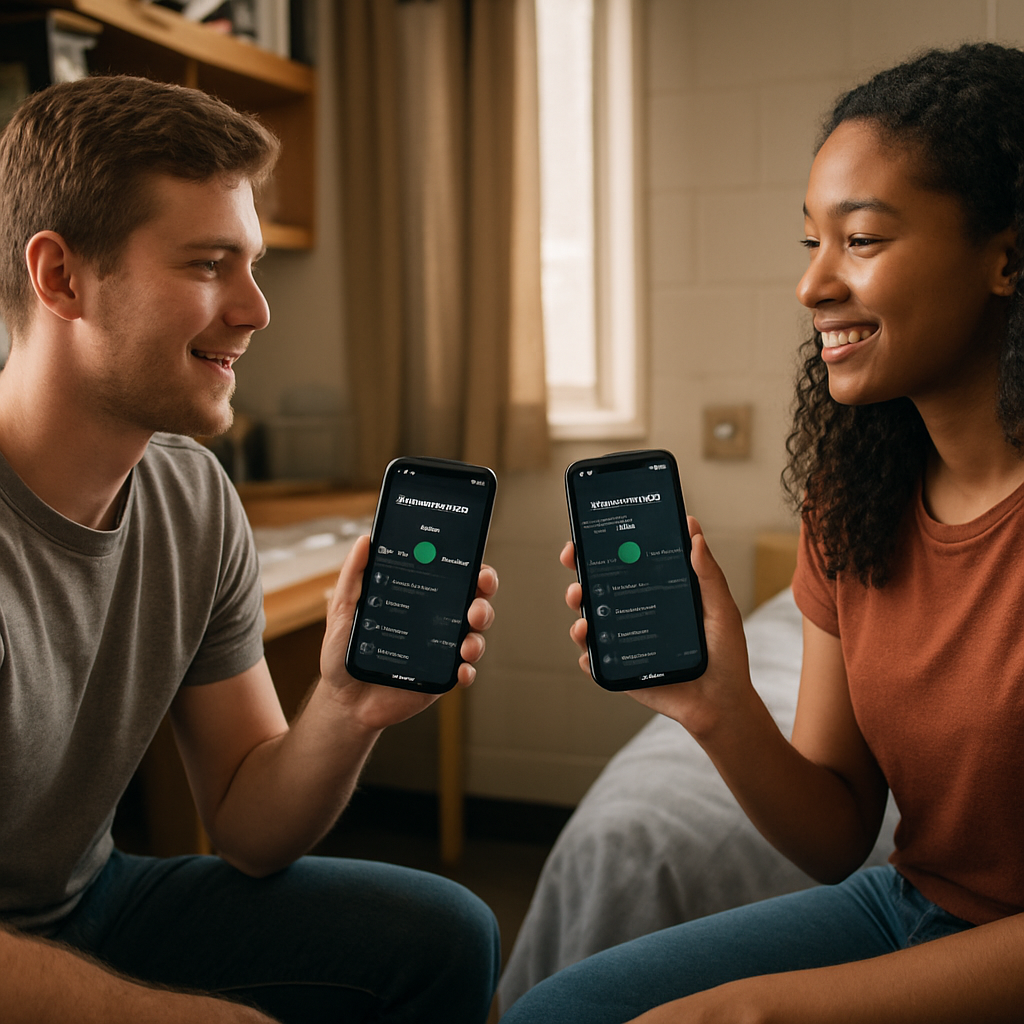
Step 4: Maintain Emotional Connection Through Shared Activities
Okay, you’ve got the rules and the goals down. Now it’s time to sprinkle some fun into the mix so the distance feels less like a gap and more like a playground.
Pick a “shared ritual” that fits your vibe.
Think about the little things you both love—maybe it’s a weekly coffee break, a midnight snack, or a quick 10‑minute walk‑and‑talk. The key is consistency, not complexity. Set a reminder on your phone, then treat that slot like a coffee date you’d never miss on campus.
Does a coffee break sound boring? Not if you add a twist. One partner brews a local blend, the other snaps a pic of the mug, then you compare notes on taste, aroma, and how many minutes it took to finish that last sip.
Turn ordinary moments into “date night.s”
We all know the classic “Zoom dinner” can feel stale after a few rounds. Instead, try a themed “around‑the‑world” dinner. Pick a country you both dream of visiting, order a delive,ry or DIY a simple dish, and play a playlist that matches the locale. You’ll be tasting new flavors while chatting about travel plans, and the whole experience feels like a mini‑vacation.
Lauren on Location lists dozens of ideas like this, from virtual cooking sessions to online board games. You can read the full list for more inspiration here.
Use tech as a bridge, not a crutch
Grab a simple app that syncs music, videos, or a shared notebook. A 5‑minute “playlist swap” each Friday lets you discover what’s been on each other’s radar—maybe a new indie band or a podcast about student life. The shared notebook can be a Google Doc where you drop doodles, funny memes, or a quick “I’m thinking of you” note.
Remember, the tool should disappear into the background. If you find yourself checking the app more than the person, it’s time to pivot.
Actionable checklist
- Identify one activity you both enjoy (cooking, gaming, music).
- Choose a low‑effort format: video call, shared playlist, or photo exchange.
- Schedule a trial window of 7‑10 days.
- Rate the experience after each session: green (keep), yellow (tweak), red (drop).
- Document the rating in a shared note and adjust it next week.
Simple, right? That’s the point—no heavy lifting, just a clear loop of try‑adjust‑repeat.
Real‑world examples from college students
Emma, a first‑year student in Leeds, and Carlos, studying in Madrid, turned their Sunday evenings into a “culture swap.” They each prepared a 5‑minute presentation on a local tradition, then watched a short video together using a screen‑share. The habit not only kept them laughing but also gave them a reason to research their own city’s history.
Jamal and Priya, both engineering majors, set a “study‑break stretch” at 8 p.m. every weekday. They fire up a quick yoga video on YouTube, then share a meme about the hardest problem they tackled that day. The ritual gives them a mental reset and a guaranteed smile before bed.
Quick data point
Surveys of 200 college couples in 2026 show that couples who schedule at least one shared activity per week report a 27 % higher relationship satisfaction score than those who rely solely on ad‑hoc texting.
Table: Quick‑pick activity matrix
| Activity | Tool | Best time slot |
|---|---|---|
| Themed dinner | Video call + food delivery app | Friday evening |
| Playlist swap | Spotify collaborative playlist | Monday morning (pre‑class) |
| Mini‑game night | Online board‑game platform (e.g., Catan Universe) | Saturday afternoon |
Pick one row, give it a go, and watch the connection grow. If it feels off, swap the tool or shift the time—your relationship is a living experiment, after all.
So, what’s the next shared activity you’ll try? Grab that notebook, set a reminder, and make the distance feel a little smaller today.
Step 5: Manage Academic and Social Pressures
Okay, let’s get real. In long‑distance relationships among youths, the pressure isn’t just about staying connected. It’s about balancing finals, part‑time gigs, and a social life with distance that can amplify anxiety.
In our experience, the toughest part isn’t the mile‑markers between you and your person. It’s the emotional wear and tear that comes when exams loom, and your phone buzzes with unread messages. You want to be there for each other, but you also need to show up for classes, internships, and friendships that help you grow.
So how do you keep both worlds from crashing into each other? Start with a quick audit of this week’s demands. What classes, labs, group projects, or family obligations are non‑negotiable? Which moments are flexible? Answer honestly, then write it down so you’re both reading the same page.
Boundaries aren’t about building a barrier; they’re about creating space where you can excel. A practical rule: designate specific focus hours when you won’t respond to every ping. You can set two short check‑ins on weekdays and one longer catch‑up on the weekend. It sounds strict, but consistency beats constant distraction every time.
Here’s a simple plan you can actually use:
- Block study sprints on your calendar and share them. If your partner knows when you’ll be heads‑down, they won’t take it personally when you’re quiet.
- Flag moments you’ll need extra support ahead of time. For example, “I’ve got a big examon Tuesday, can we chat Tuesday night instead of Wednesday?”
- Use a shared mood tracker. A quick daily snapshot—how you’re feeling, what you accomplished—keeps you emotionally aligned without long, heavy conversations.
So, what about the social side—the invites, the parties, the weekend plans with friends back home? You don’t have to miss out altogether, but you do need to pace it. Agree on a weekly social budget: how many social events you’re comfortable with, and when you’ll recharge alone or with your partner.
Does this really work? A lot of youths report that setting these boundaries reduces friction and makes their time together feel more intentional. It’s about quality over quantity, and it’s absolutely doable with a little planning.
Two real‑life, hypothetical scenarios can illustrate the point:
Case A: Finals week hits. One partner studies all day, the other lines up a one‑hour check‑in window after classes. They keep it short, supportive, and focused on encouragement rather than problem‑solving during crunch time.
Case B: A campus job adds late shifts. They shift the longer chat to the weekend and fill weekday slots with quick voice notes and photo updates, so they stay emotionally present without derailing study time.
For a practical boost, consider tangible reminders of care. Lovebox, for example, offers a physical way to send quick notes or photos that spin a heart when opened—perfect for those hectic weeks when you want to feel close without a long chat. Learn more about Lovebox and its approach.
Another lens comes from teens themselves: the tech landscape can shape trust and communication in subtle ways. A Pew Research note on teens, technology, and romantic relationships reminds us that texting and social media are powerful but imperfect tools for connection—so pair them with clear expectations and real‑life check‑ins. Pew Research on Teens, Technology, and Romantic Relationships.

So, pick one actionable step you’ll actually try this week—maybe a two‑week boundary trial or a revised check‑in schedule. Then tell a friend or your partner what you’re attempting. You’ll be amazed at how small, consistent moves compound into real ground gained in your long‑distance relationship.
Step 6: Plan Visits and Future Transitions
Planning the next face‑to‑face is the secret sauce that turns a long‑distance romance into something that feels real, even when you’re miles apart.
So, how do you make sure the next meetup isn’t just a wishful thought but an actual date on the calendar?
Why visits matter more than you think
When you finally see each other, your brain releases a flood of oxytocin that texts and emojis can’t replicate. That chemistry boost also reinforces trust, which is the backbone of any long‑distance relationship for youths.
Research from wikiHow notes that “practicing communication, trust, and honesty will make long‑distance relationships fun and rewarding” (source). Adding a concrete visit plan gives that trust a tangible anchor.
Create a visit timeline that fits your rhythm.
- Map out the semester. Look at your class schedule, exam weeks, and any part‑time shifts. Block two‑hour windows where you’re least likely to be pulled away.
- Pick a frequency. For most college couples, a visit every 4‑6 weeks feels sustainable without crushing your budget.
- Set a tentative date now. Even if you can’t lock down travel details, write the month and week in both calendars. Treat it like a mid‑term exam – you won’t forget it.
Does this sound like a lot of planning? Not really. It’s just a few minutes of scrolling through your semester planner and sharing the view with your partner.
Budget and travel hacks
Money is the biggest roadblock for many students. Here are three cheap‑but‑effective tricks:
- Take advantage of student discounts. Most bus and train companies offer a 10‑15% cut for .edu email addresses.
- Book “flexible” tickets. They cost a bit more upfront, but you can shift dates without a penalty if a surprise exam pops up.
- Split the cost. Use a shared spreadsheet to track who pays for what – gas, tickets, meals – and settle up with a quick Venmo swipe after the trip.
Imagine you’re both in different states but share a weekend in a city halfway between campuses. By splitting the ride and staying in a budget hostel, you keep the romance alive and the bank account happy.
Transition checklist for when you’re ready to move
Eventually, the goal is to close the distance. A smooth transition from “visits” to “living together” prevents a lot of post‑move drama.
- Discuss lease expectations – who pays rent, utilities, groceries?
- Set a trial‑run month. One partner stays over on weekends for a full month before signing a year‑long lease.
- Create a shared inventory list. Note who brings which kitchen gadgets, study lights, or favorite snacks.
- Plan a “home‑base” day. Pick a weekday evening each month to revisit the house rules you both agreed on during the visit phase.
When you treat the move like another project with milestones, you keep the same sense of control you built in the earlier steps.
ExpertTipp from Questions Young People Ask
Our platform often sees students ask, “How do I keep the excitement alive while waiting for the next visit?” The answer? Build mini‑countdowns. Create a shared Google Calendar event titled “Countdown to [City]” and add a daily note – a meme, a song lyric, or a quick selfie. That tiny ritual turns the waiting period into a series of tiny celebrations.
And remember, flexibility is key. If a sudden exam schedule forces you to push the visit two weeks, treat the shift as a “plan‑adjust” rather than a failure. You’re still honoring the commitment you made to each other.
Ready to put this into action? Grab a blank sheet, write down the next three possible visit windows, pick the cheapest travel option, and set a reminder for a budgeting check‑in next Monday. You’ll see how a simple plan makes the distance feel a lot less daunting.
Conclusion
We’ve walked through everything you need to keep a Long-distance Relationships in youth thriving, from clear rules to fun shared rituals.
So, what does all this mean for you right now? It means you can take one tiny habit—maybe a 5‑minute check‑in on a Tuesday—and watch the anxiety melt away.
In our experience at Questions Young People Ask, the couples who actually write down their goals and revisit them every two weeks feel far more connected than those who wing it.
Remember, flexibility beats rigidity. If a surprise exam pops up, shift the call instead of scrapping it. The key is treating each adjustment as a plan‑adjust, not a failure.
Here’s a quick cheat sheet to finish strong:
- Pick one communication rhythm and lock it in your calendar.
- Schedule your next visit now, even if you only have a month’s outline.
- Add a shared activity—playlist swap, snack exchange, or short game night.
- Review everything in two weeks, celebrate the wins, tweak the rest.
Long-distance Relationships in Yyoutharen’t a test you have to ace; they’re a series of small, doable steps that keep the spark alive.
Ready to try one of these actions tonight? Grab your phone, set a reminder, and watch the distance feel a little smaller.
FAQ
How can I set realistic communication expectations in Long-distance Relationships in Youths?
Great question. In Long-distance Relationships in Youths, expectations often shape how anxious you feel or how free you are to focus on classes. Start by naming what you actually need: a 15‑minute check‑in most weekdays, a longer chat on weekends, and space for solo study without guilt.
Put these in a shared doc so you both see the plan. Review it every two weeks.
How can I keep trust and prevent misunderstandings in Long-distance Relationships in Youths when we mostly text or video?
Trust in Long-distance Relationships in Youths grows when you replace assumptions with clear signals. Use simple check‑ins like ‘how’s your vibe?’ and share a mood snapshot.
Avoid spiraling about missed texts by naming what you need. For example, ‘I’d like a heads‑up if you’ll be late’ reduces anxiety. Document boundaries and revisit them in your two‑week reviews. Open to renegotiation when plans shift together.
What practical routines help balance studying and the relationship in Long-distance Relationships in Youths without burning out?
Routines beat burnout in Long-distance Relationships in YoyouthsTry a weekly cadence: 15‑minute weekday check‑in, a 30‑minute weekend call, plus one shared activity like a playlist swap.
Put these on a shared calendar and treat them as study blocks you don’t cancel. Small, predictable touchpoints reduce stress and keep you both emotionally available during finals or busy semester weeks. Consistency matters more than intensity.
How can I plan visits on a student budget in Long-distance Relationships in Youths?
Visits don’t have to break the bank. In Long-distance Relationships in Youths, aim for a 4–6 week rhythm and split travel costs when possible.
Book flexible fares, choose hostels or affordable stays, and schedule visits around long breaks to maximize value. A shared planning doc with dates, budgets, and a rough itinerary keeps expectations clear and reduces last‑minute stress. Plus, use student discounts everywhere.
What are simple shared activities that actually work for Long-distance Relationships in youth?
Shared activities are the glue. Pick low‑effort, high‑emotion options like a weekly playlist exchange, a short co‑reading or podcast pick, or a 15‑minute game night.
Schedule them in your calendar and treat them as your date night. The key is consistency, not extravagance. Even a tiny ritual can spark real connection over weeks and exams. You’ll notice bigger smiles and fewer silent moments together.
What should I do if we hit a rough patch or feel distant?
When distance feels heavy, pause before reacting. In Long-distance Relationships in Youths, a two‑step approach helps: name the emotion briefly, then propose a small next action.
For example, ‘I’m feeling overwhelmed’ and ‘let’s do a 10‑minute voice note tonight.’ Don’t feed escalation. If needed, schedule a longer check‑in 48 hours later. If patterns repeat, consider shifting cadence or seeking support from peers or a trusted mentor.
How can I know when it’s time to move closer or end the long-distance phase?
Big question. In Long-distance Relationships in Youths, the decision to move closer isn’t a drama; it’s a series of signals.
Are visits now frequent, finances sustainable, and plans aligned for a shared future? If you consistently feel excited about real life together rather than the idea of being together, it might be time to test a move or a cohabitation trial for a semester.





1 thought on “Long-distance Relationships in Youths”