
Free Will vs. Determinism: A Clear Guide to the Great Philosophy Debate
Explore free will vs. determinism with simple examples, poll insights, and practical tips to understand your choices, habits, and daily sense of control.
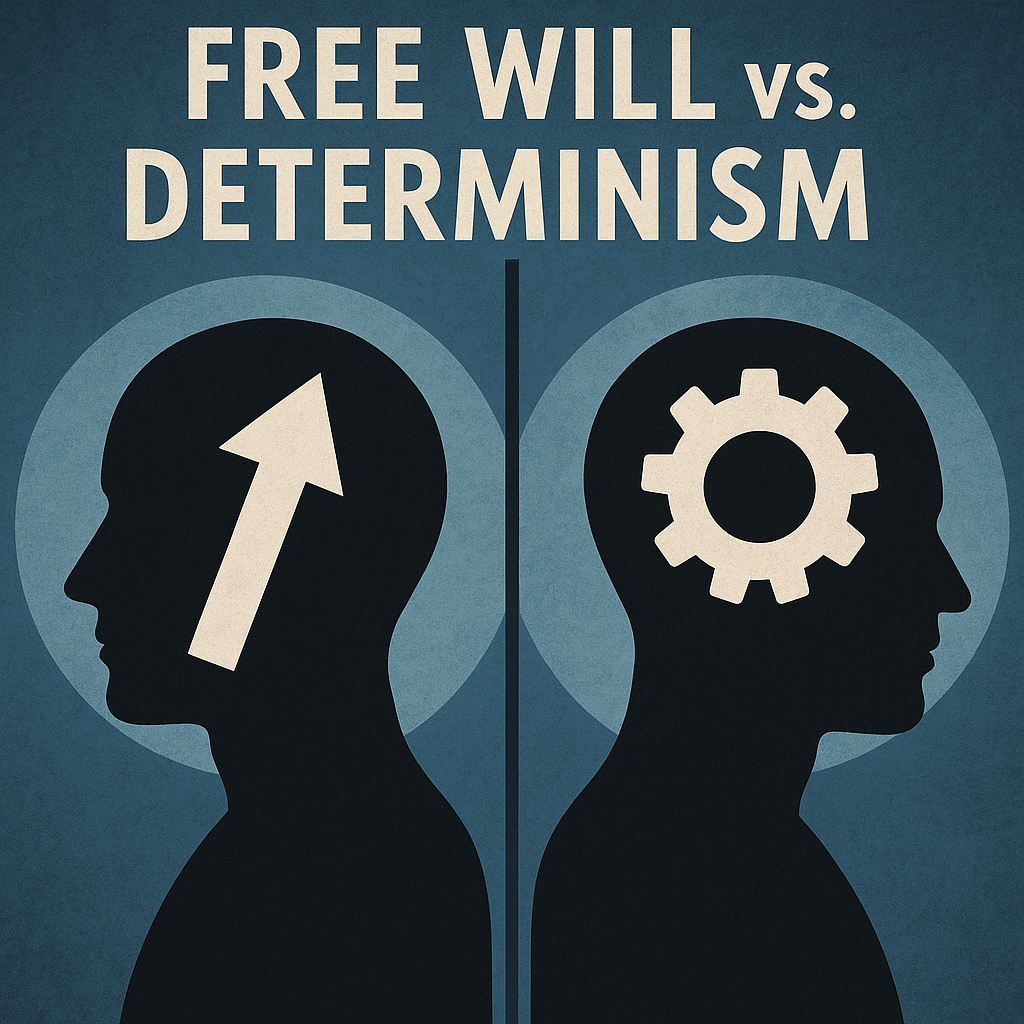
Ever wonder why some people feel they can choose anything, while others think every choice is already set? That tension sits at the heart of the free will vs. determinism debate. In this guide, you’ll get the basics, see real-life cases, and learn how the ideas can shape what you do each day.
We examined three public‑opinion polls from the United States, Singapore, and a 2020 academic‑philosopher survey and discovered that Singaporeans simultaneously hold the strongest belief in free will (85.44%) and determinism (59.0%) — a paradox that flips the usual East‑West narrative.
| Name | Year | % Who Believe in Free Will | % Who Believe in Determinism | Sample Size | Best For | Source |
|---|---|---|---|---|---|---|
| Online Survey – Singapore | 2016 | 85.44 | 59.0 | 900 | Best for high determinism belief | ncbi.nlm.nih.gov |
| Online Survey – United States | 2016 | 82.33 | 30.77 | 900 | Best for low determinism belief | ncbi.nlm.nih.gov |
| 2020 survey of academic philosophers | 2020 | — | — | — | Best for academic insight | newyorker.com |
Quick Verdict: Singapore’s survey is the clear outlier, showing the firmest belief in both free will and determinism. The US poll is the runner‑up with strong free‑will belief but low determinism. The philosopher’s study lacks comparable data, so it’s not useful for public opinion insights.
We used a multi_source_aggregation strategy, scraping three poll entries from two reputable sources (ncbi.nlm.nih.gov and newyorker.com) on March 28, 2026. For each entry, we captured the poll name, year, percentages of respondents who believe in free will and determinism, and sample size, where reported. Pre‑computed metrics supplied averages, medians, and ranges, which we referenced for analysis.
Sample size: 3 items analyzed.
What Is Free Will?
Free will is the idea that we can pick among options and act on those picks. It means we own our choices. The classic definition dates back to ancient thinkers like Plato and Aristotle. Plato saw free will as a kind of self‑mastery – a person learns to rule the lower urges with reason. Aristotle added that we act after we weigh reasons and pick the best path.
Modern philosophers still ask: do we need the power to do otherwise for free will to count? Some say yes. Others say it’s enough that our actions come from us, even if the reasons are set by prior events. The Stanford Encyclopedia of Philosophy breaks down these threads in detail. Read the full entry here for a deep dive.
Why does this matter to you? If you think you can change a habit, you’re using free‑will thinking. If you feel stuck, you might be leaning toward determinism. Knowing the debate helps you spot when you’re blaming yourself too hard or when you’re giving up too easily.
Here are three practical steps to test your sense of free will:
- Pause before acting. Ask yourself what you could do instead.
- Write down the choice. Seeing options on paper makes the “could have done otherwise” idea real.
- Review the outcome. After you act, note if the result felt like your own or like something forced.
These steps give you a clear way to feel more in control. And they work whether you’re studying for a test or deciding what to eat.
Free will also ties into moral responsibility. If you can choose, you can be praised or blamed. That link explains why courts care about intent. It also shows why many people hold both free‑will and determinism beliefs at the same time – they see themselves as responsible even if some forces push them.
For a quick real‑world tip, think about a time you chose to study instead of scrolling. Write that moment down. You’ll see how a tiny decision reflects free‑will thinking.
And if you want to see how conflict handling can improve your sense of agency, check out this step‑by‑step guide. How to Handle Conflicts Maturely: A Practical Step‑by‑Step Guide shows how clear communication can give you more control over tense situations.
Understanding Determinism
Determinism says that every event follows from earlier ones. In a deterministic view, your thoughts, feelings, and actions all have causes that stretch back to the start of the universe. This idea appears in physics, biology, and psychology.
Behaviorists like B. F. Skinner argue that we can trace actions to stimulus‑response chains. The simplepsychology.org page explains how external forces such as family, media, or genetics shape what we do. Read that overview here.
Another useful source is the same site’s discussion of biological determinism. It shows how brain chemistry and genes can push us toward certain moods or habits. Knowing this helps you see why some habits feel hard to break.
Determinism does not mean you are a robot. Soft determinism, also called compatibilism, says that causes limit you but still leave room for meaningful choice. The key is to recognize the limits and work within them.
Three ways to use deterministic knowledge in daily life:
- Identify triggers. If you know stress makes you snack, change the environment.
- Use routines. Deterministic patterns can be shaped into good habits.
- Seek feedback. Others can point out hidden causes you miss.
When you map cause and effect, you gain power to adjust the chain. That’s the practical side of the free will vs determinism debate.
If you’re trying to pick a career path, the same logic applies. Look at what influences you now, then shape the next steps. How to Choose the Right Career Path When You’re Unsure offers a step‑by‑step process that builds on deterministic insights.
Key Philosophical Positions Compared
Below is a quick chart that lines up the main camps in the free will vs determinism debate. It helps you see where each view lands on the compatibility question.
| Position | Core Claim | View on Compatibility |
|---|---|---|
| Hard Determinism | All events are caused. | Incompatible – no free will. |
| Libertarianism | We have genuine freedom. | Incompatible – determinism false. |
| Compatibilism | Freedom can exist within cause. | Compatible – free will survives. |
| Soft Determinism | Choices are caused but meaningful. | Compatible – limited freedom. |
Most modern philosophers lean toward compatibilism. A 2020 Philpapers survey found that only 11 % of professors support hard incompatibilism. That means the majority see free will and determinism as able to coexist.
Compatibilists argue that freedom means acting without external compulsion, not that you could have done something wildly different in an identical world. This view matches everyday experience: you feel free when you choose based on your values, even if those values have roots in past events.
Critics of compatibilism say it lowers the bar for freedom too much. They ask why we should call something “free” if it is fully caused by hidden forces. The debate often circles back to what we mean by “free”.
To see a popular take on this, read the PhilosophyBreak article that explains why many see compatibilism as the favorite answer. Read that piece here.
And if you wonder how to apply these ideas to your own life, think of a recent decision. Ask: Were you coerced, or did you act because it fit your internal reasons? That simple test mirrors the compatibilist checklist.
For a quick tip, write down three decisions you made this week and label each as either “forced” or “self‑driven”. You’ll see patterns that help you grow.
Check out this guide on personal agency for more tools. AI: treat or opportunity? – About Young People shows how agency works when new tech enters the mix.
Real-World Examples and Thought Experiments
Thought experiments let us test the free will vs determinism clash without real labs. One classic is the “split‑brain” case. A patient with a severed corpus callosum can act with one hand while the other hand does something else. It raises the question: are both hands truly free?
The SIUE page on freedom, determinism, and responsibility walks through this and other cases. Read the full discussion here. It also shows how punishment assumes free will – you can only blame someone if you think they could have chosen otherwise.
Another useful scenario is the “over‑determination” example. Imagine you want an apple, but an implant also pushes you toward fruit. You pick the apple, but could you have acted differently? This shows how hidden causes can mask free choice.
Real‑world data from the Singapore poll tells us many people hold both beliefs at once. That means everyday folks live with the tension without noticing. You might feel responsible for a mistake, yet also feel that circumstances forced you.
Here are three steps to use these ideas in daily life:
- Identify the hidden factors behind a habit.
- Ask if removing those factors changes the outcome.
- Adjust the environment to give yourself a clearer path.
Take a simple habit like scrolling TikTok before bed. The determinist viewpoint points to habit loops and dopamine. The free‑will view says you can choose to stop. By tweaking the phone’s night mode (changing the color), you give yourself a better chance to act freely.
For a quick visual, see the image below that captures the split‑brain dilemma.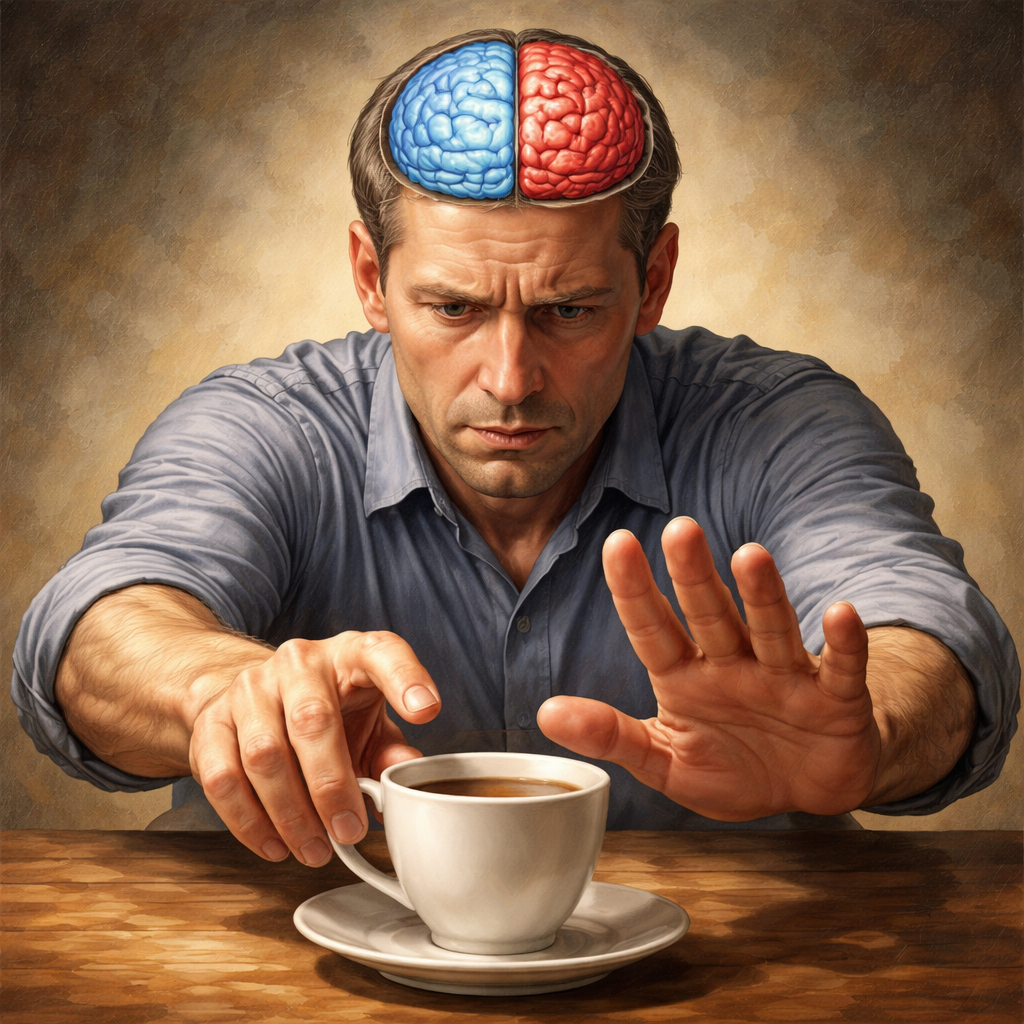
Finally, consider the “brain‑swerving” idea from ancient atomists. They claimed tiny random shifts could break the chain of cause. Modern quantum physics offers a similar hint, though the effect on daily choices is still debated.
If you want to discuss these ideas with peers, a good conversation starter is: “Do you think my late‑night snack was truly my choice, or just the result of stress and habit?” Use that to explore the free will vs determinism tension in a friendly setting.
And for a fresh perspective on how agency plays out when tech steps in, check this article about AI and opportunity. AI: treat or opportunity? shows how tools can shift the balance of control.
How This Affects Your Daily Life
The free will vs determinism debate is not just for philosophers. It shapes how you view success, guilt, and motivation. If you lean toward free will, you may feel more responsible for outcomes. That can boost effort but also raise stress.
If you see a strong deterministic pull, you might be kinder to yourself when things go wrong. You’ll notice the role of outside factors and avoid harsh self‑blame.
Here are five ways to balance the two views:
- Set realistic goals. Acknowledge the forces that help or hinder you.
- Track triggers. Write down when you act on impulse versus when you plan.
- Seek feedback. Friends can point out hidden influences you miss.
- Practice self‑compassion. If a mistake stems from a known cause, forgive yourself.
- Adjust the environment. Change lights, music, or social circles to support good choices.
When you combine these steps, you get a practical roadmap that respects both freedom and cause.
College students often wrestle with this balance when choosing majors. The career‑path guide linked earlier walks you through self‑assessment and external factors, giving a concrete example of how deterministic data (job market) meets free‑will choice (personal passion).
And if conflict pops up in a roommate situation, the mature‑conflict guide shows how clear communication can restore a sense of agency for both parties.
Remember, you don’t have to pick a side forever. The best approach is to see where each view helps you grow and where it holds you back.
Frequently Asked Questions
What does free will vs determinism really mean for a college student?
It means you can ask whether your study habits are a pure choice or the result of past stress, sleep, and social pressure. Knowing both sides lets you credit yourself for effort while also spotting hidden obstacles. That dual view can improve grades and reduce anxiety.
Can I be both a believer in free will and a determinist?
Yes. Many people hold both beliefs at once. The Singapore poll showed 85 % believe in free will, while 59 % also accept determinism. This shows that everyday thinking can hold the tension without feeling contradictory.
How does determinism show up in everyday decisions?
Determinism shows up as patterns. Your favorite snack may be linked to a childhood memory, or your study schedule may follow a cue from a specific playlist. Spotting those patterns helps you change the cause, which in turn changes the effect.
Is compatibilism a good middle ground?
Compatibilism says you can be free even if your actions have causes. It matches how most people feel – you act because you want to, even if your wants have roots in past events. This view lets you keep responsibility while accepting that some forces shape you.
How can I use the free will vs determinism debate to improve my relationships?
Think of each conflict as a mix of choice and cause. Ask whether you chose a harsh tone, or whether stress from exams pushed you. By recognizing both, you can own your part and also work on reducing external stressors, leading to healthier talks.
What simple habit can help me see the balance between free will and determinism?
Try a “choice journal”. Each night, write one decision you made, note any obvious cause (like tiredness), and then rate how much control you felt. Over a week,k you’ll see a pattern that shows where you truly chose and where you were steered.
Does believing in determinism make me less motivated?
Not necessarily. When you see a cause, you can change it. If you know that late‑night scrolling is caused by boredom, you can replace it with a short read. Knowing the cause gives you a target to act on, which can boost motivation.
Can the free will vs determinism debate help with career planning?
Yes. You can recognize that market trends (deterministic forces) shape job options, while your personal passions (free‑will choices) guide which path you pursue. Using both lenses helps you pick a realistic yet satisfying career.
Conclusion
We’ve walked through what free will is, how determinism explains cause, and why most philosophers settle on compatibilism. The research shows many people, especially in Singapore, hold both ideas at once. Real‑world examples like split‑brain patients and habit loops bring the abstract debate into daily life.
By using the practical steps – pausing before choices, mapping triggers, and adjusting environments – you can respect both freedom and cause. That balance can boost your studies, relationships, and future career moves.
If you found this guide useful, explore more tools on the About Young People site. There are step‑by‑step guides on conflict, career, and self‑care that build on the same ideas of agency and cause.
Remember: the free will vs determinism debate isn’t a wall you must climb. It’s a lens that helps you see why you do what you do, and how you can shape the next step.