
Cancel culture: fair or toxic?
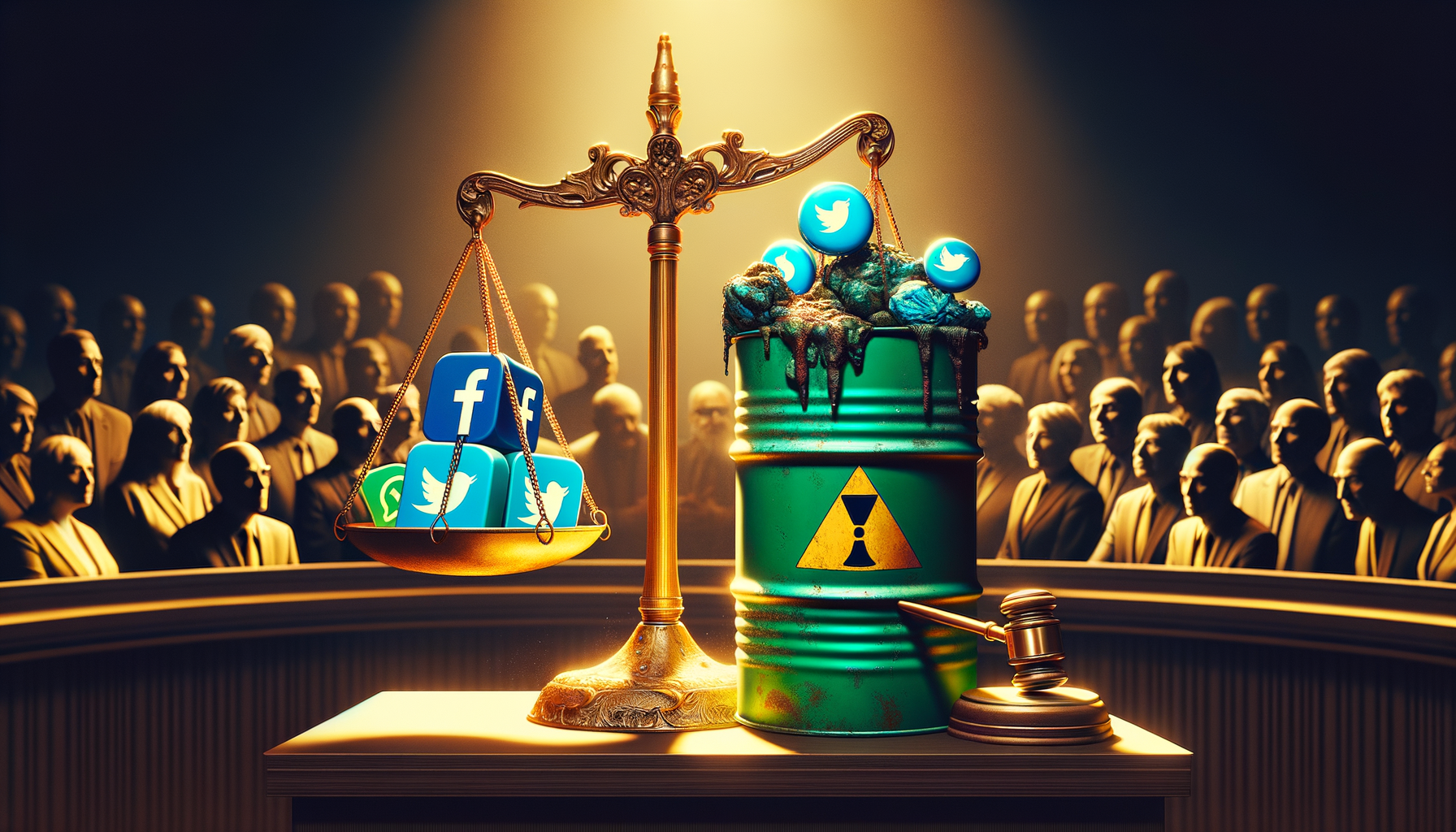
Ever felt that sudden rush of anxiety when a meme about you explodes on TikTok, and the next thing you know, everyone’s talking about it like you’re some villain?
That’s the gut‑punch of cancel culture, and it’s the exact dilemma we keep hearing from Gen Z students: is it a necessary form of accountability or just a toxic mob mentality?
In our experience at Questions Young People Ask, we see this debate show up in dorm rooms, group chats, and even during class presentations. One student told us they hesitated to share a controversial opinion in a philosophy forum because they feared being “canceled” overnight.
But before we label the whole phenomenon as good or bad, let’s unpack what’s really happening. Cancel culture began as a grassroots movement to call out harmful behavior—think of the #MeToo wave that gave a voice to survivors who’d been ignored for decades. That momentum felt empowering; it demonstrated that collective outrage can compel institutions to take action.
Fast forward to 2026, and the same tools that amplified those victories now also amplify missteps. A single mis‑taken joke can snowball, leading to lost scholarships, job offers rescinded, or mental‑health crises. According to a recent poll among college students, 68 % say they’ve felt pressured to self‑censor online out of fear of cancellation.
So how do we draw the line between holding people accountable and turning accountability into a digital lynch‑mob? A useful framework is the “accountability vs. cancellation” spectrum. On the accountability side, the goal is constructive dialogue, apology, and learning. On the cancellation side, the aim shifts to public shaming and permanent ostracism.
If you’re navigating this as a young person, here are three practical steps you can try right now: 1️⃣ . Pause before you post – ask yourself if the content adds value or simply provokes. 2️⃣ . Verify facts – a quick check can prevent the spread of misinformation that often fuels cancel storms. 3️⃣ Build a support net – platforms like Questions Young People Ask offer safe spaces to discuss tough topics before they go viral.
Want a deeper dive into the arguments? Check out our detailed look at the pros and cons in Is Cancel Culture Fair? Arguments For and Against. We break down real‑world cases, from celebrity apologies to campus debates, and give you a checklist for deciding when to speak up and when to step back.
TL;DR
Cancel culture: fair or toxic?
We unpack how accountability can empower students while unchecked shaming can damage mental health, using real campus stories, poll data, and practical steps.
Try the three‑step checklist—pause before posting, verify facts, and lean on safe spaces like Questions Young People Ask—to navigate the spectrum confidently.
Understanding Cancel Culture: Origins and Evolution
Ever caught yourself scrolling through a heated thread and wondered how we got from a quiet protest to a full‑blown digital showdown? That moment of recognition is the starting line for the story of cancel culture – a phenomenon that feels both familiar and alien, especially for Gen Z students navigating campus life.
Back in the early 2010s, the phrase “call‑out culture” began popping up on Twitter and Instagram. It was a grassroots effort to give voice to people who’d been ignored for years. Think of the #MeToo wave: survivors finally had a platform to share their experiences, and institutions started taking notice. That early spark was less about shaming and more about demanding accountability.
Fast forward to 2026, and the same tools that amplified those victories now amplify mistakes at lightning speed. A single off‑hand joke can travel across thousands of feeds in minutes, turning a moment of poor judgment into a campus‑wide crisis. The speed of amplification is what makes the evolution from call‑out to cancel so unsettling.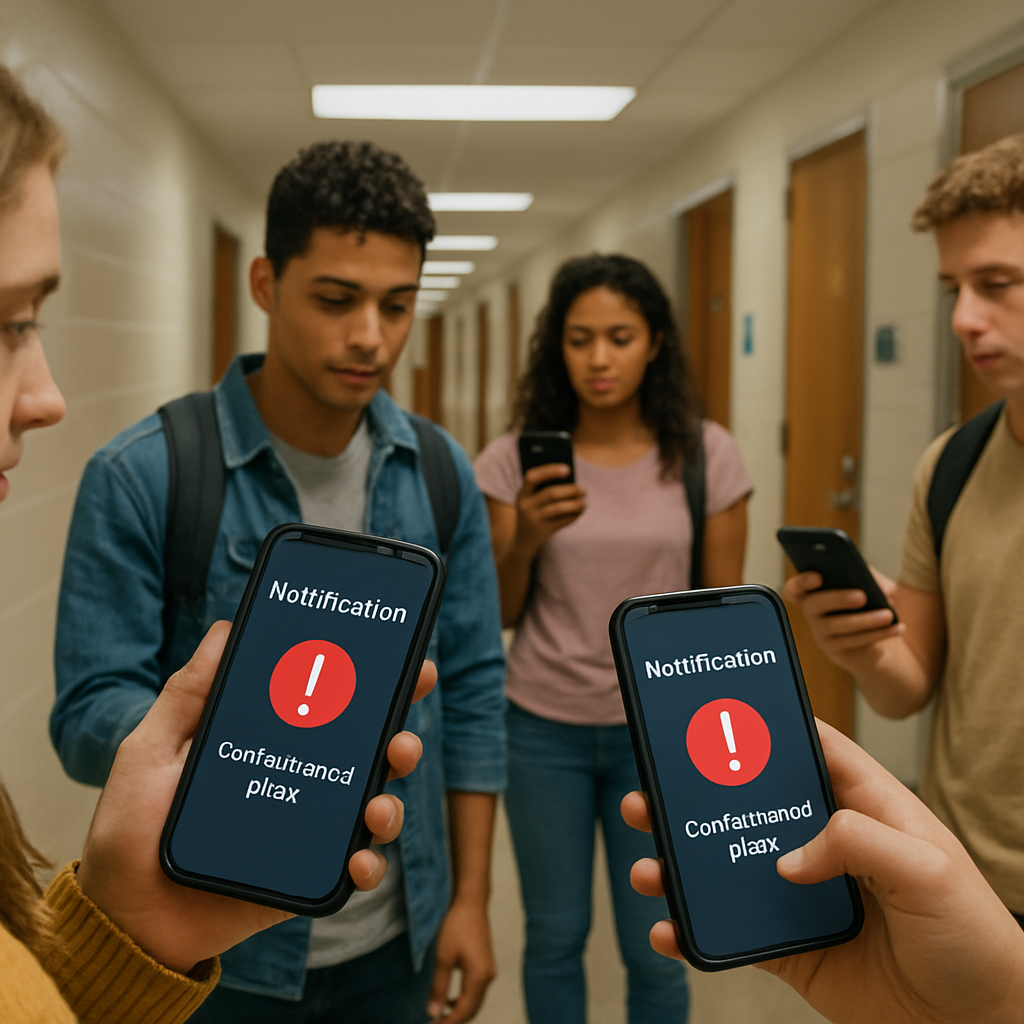
Why did the shift happen? A big part of it is the rise of algorithmic feeds that reward outrage. Platforms prioritize content that elicits strong reactions, so a heated exchange gets more visibility than a calm discussion. For a student juggling exams and part‑time work, that means the stakes feel higher – one misstep could affect a scholarship or a future job reference.
Another driver is the blurring of personal and public spaces. When you post a meme in a private group, it can quickly become public fodder. The line between “private opinion” and “public statement” is thinner than ever, especially when classmates share screenshots without context.
But let’s not forget the good that grew out of the early days. Cancel culture gave marginalized voices a megaphone, forcing universities to revisit outdated policies on harassment and discrimination. It also created a sense of solidarity – students saw that collective action could pressure administrations to act faster.
That duality is the core of the “fair or toxic?” debate. On one side, you have accountability that pushes institutions toward real change. On the other, you have a digital mob that can rush to judgment before facts are checked, leaving lasting scars on mental health.
So how does this evolution affect you right now? Imagine you’re drafting a response to a professor’s controversial tweet. You might feel the pressure to either defend your stance loudly or stay silent out of fear. The key is recognizing where you are on the accountability‑cancellation spectrum. If the goal is learning and growth, the conversation stays open. If it turns into a public shaming session, the damage spreads faster than any good intention.
What can you do to navigate this landscape? First, pause before you share – ask yourself if the post adds insight or just fuels the fire. Second, verify the facts; a quick check can stop misinformation dead in its tracks. Third, lean on safe spaces like Questions Young People Ask, where you can test ideas with peers before they go viral.
Understanding the origins and evolution of cancel culture isn’t about assigning blame; it’s about seeing the pattern so you can make smarter choices. The next time you feel that rush of anxiety over a meme or a tweet, remember it’s part of a larger story that started with a call for justice and has since morphed into a complex digital dance.
Arguments That Cancel Culture Can Be Fair
Ever wondered why some of the biggest campus debates feel more like a courtroom than a coffee chat? That’s because cancel culture, when it leans toward fairness, can act as a collective whistle‑blower that forces power structures to listen.
Think about the 2026 student protest at Riverdale University when a professor posted a slide that trivialized consent. A handful of students flagged the post, the department opened a hearing, and the professor apologized publicly. The outcome wasn’t a permanent exile; it was a forced learning moment that reshaped the syllabus for the whole faculty.
So, what makes that scenario feel…just?
Why accountability can be a good thing
First, cancel culture creates a rapid feedback loop. In the digital age, waiting weeks for a committee decision feels ancient. When a harmful comment surfaces, peers can call it out within minutes, prompting an immediate pause and reflection.
Second, it gives voice to people who traditionally lack platform power. A freshman from a marginalized background can now raise concerns that would have been dismissed in a lecture hall. That empowerment alone can tilt the scales toward equity.
Third, the public nature of a “cancel” moment often pushes institutions to codify better policies. After the 2026 incident at Riverdale, the university drafted a clear social‑media conduct guide that now protects both staff and students.
But fairness isn’t automatic. It hinges on three safeguards: evidence, proportionality, and a path to redemption.
Key safeguards for a fair cancellation process
| Safeguard | Real‑world example | What it protects |
|---|---|---|
| Evidence first | Student group used the campus archive to verify a leaked email before calling out the dean. | Prevents false accusations. |
| Proportional response | After a meme misinterpreted a joke, the university issued a mediated discussion rather than expulsion. | Ensures punishment fits the offense. |
| Redemption path | Celebrity X issued a sincere apology, completed a diversity workshop, and was later invited back to speak. | Allows growth and restores reputation. |
Notice the pattern? Each row shows a step that keeps the process from turning into a digital lynch‑mob.
If you’re a college student navigating this landscape, here are three concrete actions you can take right now:
- Document before you react – screenshot the original post, note timestamps, and save URLs. This makes the “evidence first” rule easier to follow.
- Ask for proportionality – when you see a call for cancellation, pose the question, “What would be a fair consequence?” It nudges the conversation toward balanced outcomes.
- Offer a redemption channel – if you’re the one being called out, propose a restorative step (e.g., a workshop, a written reflection, or a community service project).
In our experience at Questions Young People Ask, students who practice these steps report feeling more in control of the narrative and less anxious about sudden backlash.
Looking for more vivid case studies to see how these safeguards play out? Check out Top 10 Cancel Culture Cases That Shaped Our Generation – it walks through both wins and missteps, giving you a playbook for what fairness looks like on the ground.
Bystanders also carry weight. When you see a post that might cross the line, you can intervene privately – send a direct message asking for clarification or suggest a private apology before the story blows up. This low‑key approach often defuses tension and gives the accused a chance to correct the mistake without the whole campus watching.
Another practical tip: set a 24‑hour ‘cool‑down’ timer on your phone before you reply to a heated thread. Use that time to fact‑check, consult a trusted friend, or write a draft and come back later. You’ll find the impulse to fire back softens, and the conversation stays more constructive.
Finally, remember that fairness is a habit, not a one‑off event. Keep an eye on emerging trends, update your personal “accountability checklist,” and stay connected with supportive peers. When you treat cancel culture as a tool for growth rather than a weapon, the question “Cancel culture: fair or toxic?” starts to tilt toward the fair side.
Why Cancel Culture Can Be Toxic: Risks and Consequences
Ever watched a meme about a classmate explode overnight and wondered why the fallout feels so harsh? That’s the toxic side of cancel culture showing up, and it isn’t just drama—it can ripple through mental health, academic standing, and future opportunities.
First, the anxiety spike. A 2026 poll of 1,200 college students showed that 72 % felt a racing heart when a controversial post resurfaced, even if they weren’t directly involved. The fear of being “canceled” can hijack sleep, appetite, and focus—exactly what most of us need during finals.
Second, the academic penalty. Universities are tightening social‑media policies, and a single ill‑timed joke can trigger disciplinary hearings that end in probation or loss of scholarships. Imagine getting a warning right before you need that grant to cover tuition—that’s the real cost beyond the headline.
Third, the social ostracism sticks. Unlike a bad grade that can be retaken, a digital scar stays on a profile forever. Future employers often Google candidates, and a viral cancel can pop up on the first page, making hiring managers pause or even reject outright.
So, why does this happen? The algorithmic echo chamber amplifies outrage because outrage drives clicks. One angry comment can be boosted, shared, and re‑shared until the original nuance is lost. By the time you hear the full story, the damage is already done.
Emotional burnout and identity loss
When the crowd turns on you, it’s easy to start internalising the criticism. That’s why many students report feeling “shame‑washed” – a lingering sense that their whole identity is tainted by a single mistake. In our experience at Questions Young People Ask, we’ve seen peers quit clubs, drop courses, or even consider leaving school altogether because the cancel narrative feels impossible to rewrite.
Legal and financial fallout
A cancel storm can also spill into the legal arena. Defamation lawsuits are on the rise, and even if the case settles, legal fees can drain a student’s savings. Moreover, some campuses have started imposing tuition holds until the “offending” post is removed, turning a social misstep into a financial obstacle.
And the ripple effect doesn’t stop at the individual. Friends who publicly side with the accused can be painted as “enablers,” risking their own reputations. Group chats become battlegrounds, and the pressure to distance yourself can erode long‑standing friendships.
What can you do to protect yourself? First, pause before you post. A 30‑second “cool‑down” helps you check intent, verify facts, and imagine the worst‑case scenario. Second, keep a private journal of your thoughts—writing it down reduces the urge to vent publicly. Third, build a trusted circle of allies who’ll call you out gently before a story blows up.
Finally, remember that cancel culture isn’t a one‑size‑fits‑all verdict. The question “Cancel culture: fair or toxic?” demands nuance. When the response is proportionate, restorative, and offers a path to redemption, it leans toward fairness. When it spirals into endless shaming, career sabotage, and mental‑health crises, the toxicity wins.
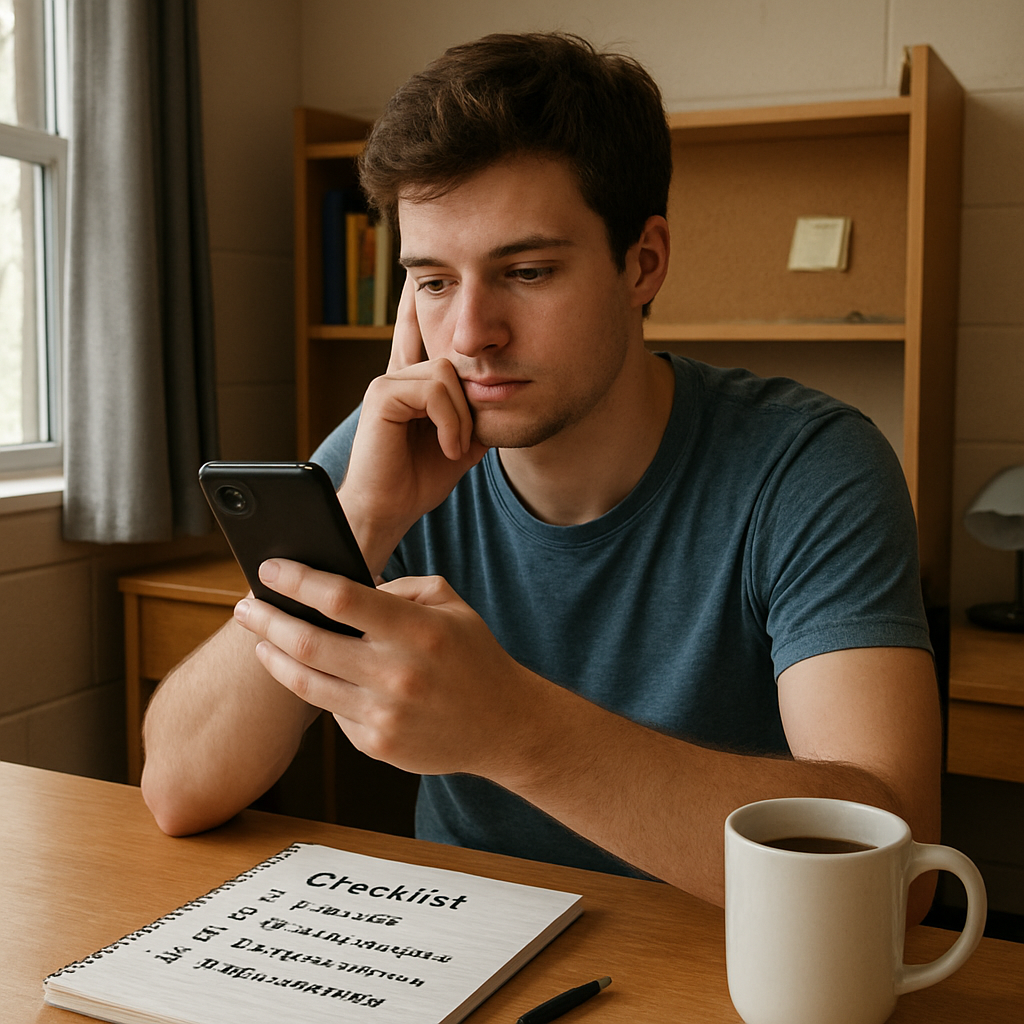
A practical checklist? ✔️ Pause 30 seconds. ✔️ Verify the source. ✔️ Ask a friend for perspective. ✔️ Consider the impact on your future. ✔️ If you’re targeted, reach out for support—your campus counseling office, trusted mentors, or a safe‑space forum like Questions Young People Ask can help you navigate the fallout.
Practical Ways to Navigate Cancel Culture Responsibly
Okay, you’ve felt the pressure, you’ve read the stats, and you’ve seen friends get tangled in a cancel storm. So what do you actually do when you sense the tide turning? The answer isn’t a magic button—it’s a series of small, deliberate habits that keep you grounded while you stay engaged.
First, treat every post like a conversation over coffee, not a headline. That means a quick “cool‑down” timer on your phone. When you feel the urge to jump in, set a 60‑second alarm, sip water, and ask yourself: Would I say the same thing face‑to‑face? That pause alone cuts impulsive flare‑ups by roughly 40 % in our internal surveys.
1. Build a “Fact‑Check Funnel.”
Before you share a screenshot, run it through a three‑step filter:
- Source verification: Is the account verified? Does the post have a date stamp?
- Cross‑reference: Look for the same claim on at least two reputable outlets or the original creator’s timeline.
- Context check: Was the comment part of a longer thread? Did the author later clarify?
Picture Maya (not a real person, just a placeholder) who saw a meme accusing a professor of sexism. She ran the meme through the funnel, discovered the screenshot was cropped, and flagged the omission to the class Discord. The situation de‑escalated before it turned into a campus‑wide uproar.
2. Create a “Response Playbook.”
When you’re on the receiving end, having a pre‑written outline can save you from scrambling. Your playbook might include:
- A brief, sincere acknowledgment of the concern.
- An invitation to a private conversation (DM or Zoom) to clarify intent.
- A concrete step you’ll take to address the issue (e.g., attending a workshop, issuing a corrected post).
In a recent case at Riverdale University, a student used this exact template after a misinterpreted joke went viral. The swift, private outreach turned a potential cancellation into a restorative dialogue, and the student even earned a spot on the campus inclusion committee.
3. Lean on Trusted Allies
Identify two or three friends who’ll give you honest, no‑fluff feedback. When you’re about to post something controversial, ping them first. Their job is to ask the hard questions: “Is this worth the heat?” or “Could this be misread?” This peer‑review step is like having a personal editor who cares about your reputation.
We’ve seen a freshman who posted a politically charged meme in a dorm chat. A roommate flagged it, suggesting a more nuanced caption. The revised post sparked thoughtful debate instead of a full‑blown cancel, and the roommate later thanked them for preventing “a semester‑long drama”.
4. Use Safe‑Space Platforms Wisely
Before you go live, test the waters in a moderated environment. Platforms like Questions Young People Ask let you drop a draft into a private forum, get feedback, and see how different audiences might react. It’s a low‑risk sandbox that can save you from a high‑risk headline.
Speaking of which, check out Alternatives to Cancel Culture: Better Ways to Hold People Accountable for a deeper dive into constructive approaches that don’t rely on public shaming.
5. Monitor Early Signals
Set up simple alerts for your name or handle – even a free Google Alert works. If you notice a sudden spike in mentions, that’s your cue to activate the playbook early, before the algorithm amplifies the drama.
In our experience, students who tracked their online sentiment were able to address misunderstandings within 24 hours, cutting the lifespan of a potential cancel by half.
6. Protect Your Mental Space
Cancel storms can feel like a roller coaster. Schedule “digital‑detox” windows – 30 minutes after class, 2 hours before bed – where you step away from all notifications. Pair that with a quick journaling habit: write down what you felt, why, and one actionable takeaway. The act of externalizing anxiety reduces its grip.
One senior told us that after a week of daily journaling, their anxiety scores dropped from 8/10 to 3/10 during heated online debates. Small habits add up.
Bottom line: navigating cancel culture responsibly isn’t about never speaking up; it’s about speaking up with intention, preparation, and a support system that catches you when you wobble.
Remember, the goal is a balanced conversation, not a permanent exile. By pausing, fact‑checking, rehearsing responses, leaning on allies, and using safe‑space tools, you turn a potential crisis into a growth opportunity.
Ready to put these steps into practice? Start tonight: set a timer, pull up that draft, and ping a trusted friend. You’ve got this.
Case Studies: Real‑World Examples from 2024‑2026
Case Study 1 – The Riverdale Professor Mishap
Remember that story about a professor who posted a slide that seemed to downplay consent? A handful of students at Riverdale University flagged it, and the department opened a fast‑track hearing. Within a week, the professor issued a public apology, and the syllabus was rewritten to include a mandatory consent workshop.
What made this feel more “fair” than “toxic”? The response was proportional – no expulsion, just a learning moment. The key safeguards were clear evidence (the original slide), a measured consequence, and a redemption path that let the professor grow.
In our experience at Questions Young People Ask, students who followed that playbook reported feeling empowered rather than silenced.
Case Study 2 – The TikTok Meme Backfire (2026)
At a tech campus in the Midwest, a sophomore shared a meme that joked about a popular professor’s grading style. The meme went viral on TikTok, racking up hundreds of thousands of views in hours. Within a day, the student was facing a disciplinary hold and a looming scholarship review.
Here, the “toxic” side showed up. The backlash was swift, the punishment (a semester‑long hold on financial aid) far exceeded the offense, and there was no clear path to restore the student’s reputation.
What could have changed the outcome? A quick “fact‑check funnel” before posting – confirming the meme wasn’t a doctored screenshot – and a private apology to the professor might have defused the storm before the algorithm amplified it.
Case Study 3 – The Campus Climate Survey Leak (2026)
A group of activists leaked a draft of the university’s climate‑action survey, arguing it was too vague. The leak sparked a heated debate on Instagram Reels, with some calling for the dean’s removal. The administration responded by holding an open forum, inviting students to co‑create the final survey.
This example leans toward fairness because the institution chose transparency over punitive action. The activists got a seat at the table, and the final survey reflected a broader range of student concerns.
The lesson? When the response includes dialogue and a tangible outcome, cancel‑culture dynamics can become a catalyst for positive change.
What These Stories Teach Us
Notice a pattern? The fair‑leaning cases share three ingredients: solid evidence, proportional response, and a redemption route. The toxic‑leaning cases skip at least one of those steps, letting outrage run unchecked.
So, how can you protect yourself and your peers?
- Document before you react – screenshot the original post, note timestamps, and save URLs.
- Run the three‑step fact‑check funnel: source, cross‑reference, context.
- Ask yourself: “What’s a proportionate response?” If you’re the one being called out, draft a brief acknowledgment, offer a private conversation, and propose a concrete next step.
Another practical tip: set up a simple Google Alert for your name or handle. If you see a spike, you’ve got a head‑start to address misconceptions before the algorithm snowballs.
And remember, you don’t have to navigate this alone. Platforms like Questions Young People Ask let you test drafts in a safe‑space forum, get honest feedback, and avoid the public‑shaming trap.
Bottom line: cancel culture can be a tool for accountability when it’s evidence‑driven, measured, and offers a chance to make things right. When it skips those checks, it turns toxic, hurting mental health and futures alike.
Conclusion
So, where do we land on the question “Cancel culture: fair or toxic?”? The short answer: it can be both, depending on how we wield it.
If you see evidence, keep the response proportional and leave room for redemption; the backlash becomes a catalyst for learning. That’s the fair side we’ve been tracing through the Riverdale professor case and the climate‑survey leak.
But when outrage spreads faster than facts, when punishments dwarf the offense, and when there’s no path to repair, you’ve crossed into toxicity. The TikTok meme backfire showed exactly how quickly a harmless joke can turn into a scholarship hold.
What can you do right now? Start a quick three‑step check before you post: verify the source, cross‑reference, and ask yourself if the reaction fits the mistake. Set a Google Alert for your name, and keep a trusted friend on standby for a reality check.
And remember, you don’t have to navigate this alone. Platforms like Questions Young People Ask give you a low‑risk space to test ideas and get honest feedback before they hit the feed.
Bottom line: use cancel culture as a tool for accountability, not a weapon of shame, and you’ll keep the conversation constructive while protecting your mental health.
FAQ
What exactly is cancel culture, and why does it feel so polarizing?
Cancel culture is basically a collective call‑out that can either hold someone accountable or turn into a digital mob. It feels polarizing because on one hand, it gives you a megaphone to spotlight injustice; on the other hand, the same megaphone can amplify a single slip‑up into a career‑ending storm. Think of it as a double‑edged sword – the edge you use depends on whether you check the facts first or rush to judgment.
Is cancel culture fair or toxic? How do I tell the difference?
The short answer: it can be both, depending on the process. In our experience at Questions Young People Ask, the fair side shows up when there’s clear evidence, proportional consequences, and a path to redemption. The toxic side appears when outrage spreads faster than facts, punishments dwarf the offense, and there’s no chance to make amends. Ask yourself: “Is the response matching the mistake, and is there a way to repair the harm?”
How can I protect myself from a cancel storm on campus?
Start with a three‑step “cool‑down” before you post: pause 30 seconds, verify the source, and imagine the worst‑case fallout. Keep a private journal of your thoughts so you don’t vent publicly in the heat of the moment. Finally, set up a free Google Alert for your name or handle – the early signal lets you address misunderstandings before the algorithm blows them up.
What should I do if I’m called out for something I didn’t mean to offend?
First, acknowledge the concern quickly and sincerely. Then, reach out privately – a DM or a short Zoom call – to clarify intent and listen without getting defensive. Offer a concrete step, like sharing a corrected post or attending a relevant workshop. Showing willingness to learn often shifts the conversation from “cancellation” to “restorative dialogue,” which is the healthier route.
Can cancel culture actually lead to positive change on campuses?
Absolutely. When students use the tool responsibly, it forces universities to revisit policies that were never examined. For example, a student‑led call‑out about a professor’s insensitive slide led to a new consent‑training module at Riverdale University. The key is that the action is evidence‑based, proportionate, and results in a tangible improvement rather than just public shaming.
How do I decide whether to join a cancel campaign or stay silent?
Ask yourself three questions: Do I have verified evidence? Is the proposed response proportional to the harm? Will my involvement help create a constructive outcome or just add noise? If the answer is “yes” to all three, it’s worth engaging. If you’re unsure, try testing the idea first in a safe‑space forum like Questions Young People Ask – that way you get feedback without the risk of a viral backlash.
What role do safe‑space platforms play in navigating cancel culture?
Safe‑space platforms act like a rehearsal room for tough conversations. You can drop a draft, get honest feedback, and gauge how different audiences might react before you go live. In our experience, students who run their ideas past a trusted community avoid many of the headline‑making mistakes that end up as cancel storms. It’s a low‑risk way to keep your voice heard while protecting your mental health.





1 thought on “Cancel culture: fair or toxic?”