
Coping with Peer Pressure: How to Protect Your Self-Esteem
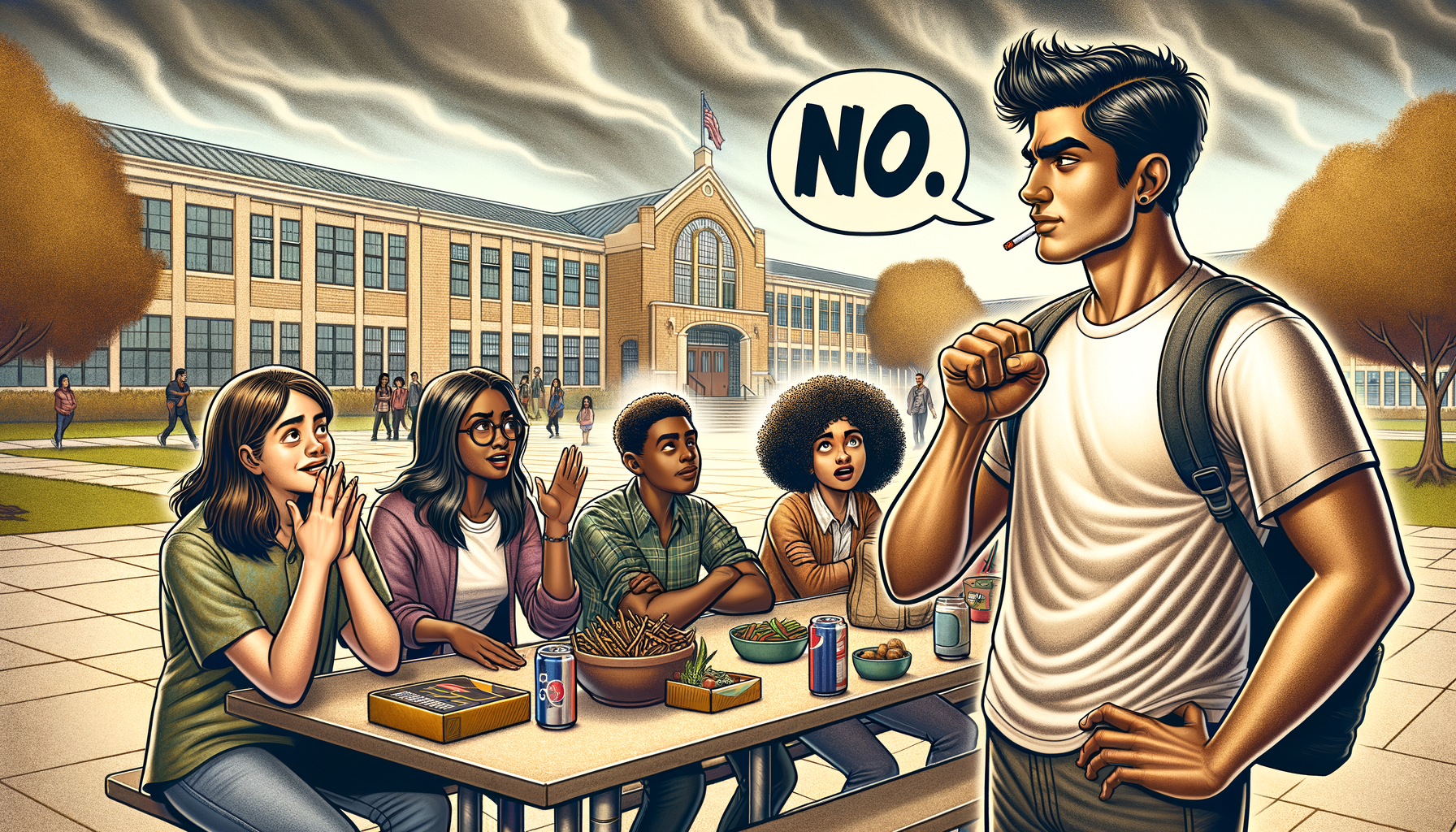
Peer pressure is a reality for every teen: the urge to fit in can push you toward choices that clash with your values. Learning to stand your ground not only preserves your self-worth but also strengthens your confidence. In this 2,000-word guide, you’ll discover how to identify different types of peer pressure, boost your self-awareness, communicate assertively, and build a support network. Let’s dive in.
1. Recognize the Types of Peer Pressure
Not all pressure looks the same. By pinpointing what you’re facing, you can choose the right response.
• Direct vs. Indirect: Direct pressure comes as explicit requests or dares (“Try this smoke!”). Indirect pressure is subtler—jokes, teasing, or “everyone’s doing it” comments.
• Positive vs. Negative: Positive pressure inspires you to improve (joining a study group). Negative pressure pushes you into risky or unwanted actions (shoplifting, drinking).
• Situational vs. Relational: Situational pressure arises in specific settings (parties, online challenges). Relational pressure stems from the desire to maintain friendships or group membership.
2. Strengthen Your Self-Awareness
Knowing your values and emotional triggers gives you an unshakable foundation.
- List Your Core Values: Examples—honesty, health, creativity, family. When a choice conflicts with a top value, your answer is already clear.
- Journal Past Experiences: Write about times you felt uneasy or regretted decisions made under pressure. Note physical cues (racing heart, tight chest).
- Values-Conflict Chart:ScenarioConflicts WithIntensity (1–5)Drinking at party to fit inHealth (5)5Spreading gossip onlineRespect (4)4Skipping homework with peersIntegrity (3)3
These insights help you anticipate tough situations and prepare coping strategies.
3. Communicate Assertively
Saying “no” with confidence isn’t rude—it’s self-respect.
- Use “I” Statements: “I’m not comfortable with that.” This centers your feelings instead of blaming others.
- Broken-Record Technique: Calmly repeat your refusal: “I appreciate the invite, but I’m not interested.”
- Nonverbal Signals: Maintain eye contact, speak in a steady tone, stand tall. Your body language underscores your words.
- Practice Role-Plays: Rehearse common scenarios with a friend—this builds muscle memory for real situations.
4. Choose Supportive Friends
Your circle shapes your choices. Surround yourself with peers who respect your boundaries.
- Spot Red Flags: Teasing that turns into bullying, constant teasing, or coercion are warning signs.
- Seek Positive Groups: Clubs, sports teams, volunteer organizations aligned with your values offer built-in support.
- Diversify Your Network: Friends from different interests and backgrounds provide multiple safe spaces.
- Know When to Distance: It’s okay to scale back or end friendships that consistently disrespect you.
5. Develop Healthy Coping Strategies
When pressure mounts, rely on positive outlets to manage stress.
- Physical Activity: A quick run, team sports, or even five minutes of jumping jacks release built-up tension.
- Creative Expression: Journaling, drawing, or playing music channels emotions constructively.
- Mindfulness: Short breathing exercises or guided meditations (apps like Calm or Headspace) can reset your mind.
- Talk It Out: Share concerns with a trusted adult, counselor, or a supportive friend.
6. Build Your Confidence Through Mastery
Competence breeds self-esteem—and makes negative pressure easier to resist.
- Set SMART Goals: Specific, Measurable, Achievable, Relevant, Time-bound (e.g., “Practice guitar 20 minutes daily”).
- Track Progress: Use a habit-tracker or journal to chart achievements.
- Celebrate Wins: Share successes—big or small—with friends or family to reinforce your growth.
7. Practice Positive Self-Talk
The voice inside your head can be your strongest ally—or worst enemy.
- Spot Negative Narratives: “If I say no, no one will like me.”
- Replace with Empowering Affirmations: “True friends respect my choices.”
- Daily Ritual: Recite 3–5 affirmations each morning, and review them before stressful events.
- Visual Reminders: Sticky notes on your mirror or phone wallpaper with motivational quotes keep positivity top-of-mind.
8. Know When to Walk Away
Some relationships or groups become toxic. Exiting is a sign of strength.
- Recognize Toxicity: Repeated harassment, manipulation, or threats to your well-being.
- Plan Your Exit: Reduce contact gradually, suggest neutral activities, and inform a trusted adult of your decision.
- Find New Communities: Explore clubs or online groups that share your positive interests.
- Seek Help if Needed: If peer pressure escalates into bullying or abuse, involve school authorities or mental health professionals.
Conclusion
Resisting peer pressure is a journey of self-discovery and courage. By recognizing the types of pressure you face, deepening your self-awareness, and communicating assertively, you can uphold your values and protect your self-esteem. Cultivate supportive friendships, practice healthy coping mechanisms, and reinforce your confidence through mastery and positive self-talk. And remember: stepping away from toxic situations isn’t weakness—it’s the ultimate act of self-respect. With these tools, you’ll navigate teenage life on your own terms, proud and empowered.