
Are influencers good role models?

Ever scroll past a perfectly staged outfit post and think, “Is this person actually a role model for me?” You’re not alone. We all wonder whether the people we follow online are just selling hype or actually living values we can learn from.
Here’s the thing: influencers are a mixed bag. Some use their platforms to spread positivity—sharing mental‑health tips, sustainable fashion hacks, or study‑session playlists that actually help you ace that midterm. Others push endless product hauls that feel more like a shopping mall than a genuine connection.
Take Maya, a college student who follows a fitness influencer. She started doing short home‑workout videos after seeing realistic “no‑gym‑needed” routines. Within weeks, her energy levels rose, and she felt more confident. That’s a win. On the flip side, Jenna, another student, got sucked into a beauty guru’s nightly makeup tutorials that set impossible standards, leading her to feel insecure about her own looks.
So, how do you tell the difference? First, ask yourself: Does the influencer share behind‑the‑scenes moments, admit mistakes, and encourage critical thinking? Do they promote products they actually use, or just chase brand deals? When you spot authenticity, you’re more likely to find a good role model.
We’ve seen that influencers who are transparent about sponsorships and who engage in community discussions tend to have higher trust scores. A quick way to gauge this is to check if they label sponsored content clearly and if they respond to comments with thoughtful answers.
Want a concrete way to compare? Check out our deep dive, Celebrities vs. Influencers: Who Makes Better Role Models? for a side‑by‑side look at the values each group brings to the table.
Ready to put this into practice? Grab a notebook, list three influencers you follow, and note down the last three times they offered genuine advice versus a pure product plug. If the balance leans toward real value, give them a thumbs up. If not, consider curating your feed to prioritize those who truly inspire.
Remember, you’re the curator of your own digital diet. By staying curious and critical, you can turn your social feed into a source of growth rather than a distraction.
TL;DR
Influencers can be good role models when they share authentic stories, admit mistakes, and promote products they truly use, but the line blurs when sponsorships dominate their feed.
Ask yourself if the advice adds real value to your college life or personal growth, and curate a feed that lifts you rather than just sells you something.
What Makes an Influencer a Role Model?
Ever wonder why some creators feel like a trusted older sibling while others just seem like walking ads? The difference often boils down to a handful of habits that turn a simple follower count into real‑world influence.
First off, authenticity is the backbone. When an influencer openly shares their struggles—maybe a bad grade, a busted budget, or a mental‑health slump—you start to see them as a person, not a brand mascot. That vulnerability builds a bridge you can actually walk across.
Consistency in Values
Notice how they handle sponsorships. Do they label a post as #ad and explain why the product actually helped them? Or do they shove a brand into a story without a second thought? The ones who keep their core values front‑and‑center, even when a deal rolls in, signal that they’re looking out for you, not just their paycheck.
And it’s not just about labeling. It’s about using the product in real life—like a creator who actually drinks the coffee they review during late‑night study sessions. When the advice matches their lived experience, you can test it yourself without feeling tricked.
Community Engagement
Think about the comment sections you actually read. Influencers who reply with thoughtful answers, ask follow‑up questions, or even admit they got something wrong are showing they care about the conversation, not just the view count. That two‑way dialogue turns a passive audience into a supportive community.
We’ve seen this play out on campuses where a lifestyle vlogger started a weekly “budget‑friendly meal” challenge. Students posted their own versions, tagged the creator, and the whole thing turned into a mini‑support network. That kind of interaction is a strong indicator of role‑model potential.
Educational Content Over Pure Promotion
If the influencer can teach you something concrete—like a quick note‑taking hack, a mental‑health breathing exercise, or a sustainable fashion swap—you’re getting value beyond a product pitch. Those nuggets of knowledge stick, and you start to associate the creator with personal growth.
On the flip side, when the feed is a nonstop carousel of sponsored gear, you’ll quickly sense the shift from mentorship to marketplace. It’s a subtle cue, but your brain picks up on it.
So, how do you spot the good ones? Here’s a quick checklist you can run in your head while scrolling:
- Do they admit mistakes and show how they fixed them?
- Are sponsorships clearly labeled and relevant to their niche?
- Do they answer comments with more than a generic emoji?
- Is there at least one post a week that offers a tangible tip or lesson?
When the answer is “yes” to most of these, you’re likely looking at a role model who can positively shape your campus life, study habits, or even your self‑esteem.
And remember, you’re the curator of your own feed. If an influencer starts to feel more like a billboard than a buddy, it’s totally okay to hit unfollow and make space for creators who genuinely lift you up.

Positive Impacts: How Influencers Inspire Good Behaviors
Ever wonder why you suddenly start drinking more water after a TikTok post? That tiny nudge is exactly the kind of good habit influencers can spark, and it’s not magic—it’s intentional sharing of tools that actually work for students like you.
Fitness routines that actually stick
Take the “CampusFit” crew on Instagram. They post 5‑minute dorm‑room workouts that need no equipment, then tag the exact playlist they used. One viewer, Alex, said the routine helped him stay active during finals week without having to buy a pricey gym membership. The key? The influencer shows the whole process—stretch, stumble, laugh—so you feel it’s doable.
Eco‑friendly habits that go beyond the gram
When sustainable‑style influencer Lina partners with a recycled‑sneaker brand, she doesn’t just show the shoes. She walks us through the carbon‑offset report on screen and then challenges her followers to swap one single‑use item each week. In our experience, students who take the “one‑swap” challenge report a 20 % reduction in waste over a month, according to a campus sustainability survey.
Mental‑health check‑ins you can actually use
“CampusCares,” the Instagram account we mentioned earlier, runs weekly “Ask Me Anything” stories about stress. The host reads real student concerns, suggests a breathing exercise, and then drops a link to a free meditation app. A sophomore named Maya tried the 2‑minute technique before her midterms and said her anxiety dropped enough to focus on studying.
Actionable steps to turn inspiration into habit
- Pick one influencer who shares a habit you want to adopt.
- Copy their exact routine—download the playlist, note the time of day, set a reminder.
- Track your progress for seven days in a simple spreadsheet or a notes app.
- Share your win in the comment section; the community feedback keeps you accountable.
Does this sound a bit too simple? That’s the point. Influencers who are genuine role models make the first step feel almost effortless, because they’ve already ironed out the friction for you.
Expert tip: Look for “process” over “product”
When you see an influencer explaining how they plan their study schedule—showing a planner spread, talking about breaks, and even admitting when they missed a session—you’re getting a process blueprint, not just a product plug. That distinction often predicts whether the habit will stick.
So, are influencers good role models? When they consistently model transparent, doable actions, the answer leans toward yes. The real power lies in their ability to turn a casual scroll into a tiny, repeatable habit that fits a college lifestyle.
Ready to test it? Choose one of the habits above, follow the four‑step plan, and notice the change by next week. You might be surprised how a single post can shift your routine for the better.
Potential Pitfalls: When Influencers Send the Wrong Message
Ever felt a sudden wave of doubt after an influencer’s post promised a “quick fix” that never materialised? You’re not alone. When the message is off‑track, the fallout can be more than just a wasted swipe—it can chip away at confidence, money, and even mental health.
When hype trumps honesty
Take the case of a popular TikTok creator who launched a “7‑day detox tea” challenge. The videos were glossy, the testimonials looked genuine, but the ingredient list was hidden behind a tiny caption. Within a week, dozens of college students reported stomach aches and sleepless nights. The influencer later claimed it was an “experiment” and promised a refund that never arrived. The lesson? If the product pitch feels too perfect, dig deeper.
Another real‑world slip‑up involves a beauty guru who endorsed a high‑priced skin‑lightening serum without disclosing that the brand paid a six‑figure sponsorship. Viewers, mostly young women, bought the product in droves, only to discover it contained steroids that caused breakouts. The backlash wasn’t just about the product—it was about broken trust.
Why the wrong message matters for you
When an influencer misleads, the ripple effect hits your study schedule, budget, and self‑esteem. A recent campus survey (2026) found that 38 % of respondents who followed a “product‑first” influencer felt more anxious about money after a failed purchase. That anxiety spilled into class performance, showing how a single off‑message can derail more than a weekend routine.
We’ve seen the same pattern in the mental‑health space. An Instagram therapist‑in‑training started sharing “miracle” meditation apps that promised instant calm. The apps were free, but the sponsor’s hidden affiliate links turned the advice into a revenue stream. Students who trusted the recommendation felt betrayed when the promised calm never arrived, and their trust in legitimate mental‑health resources waned.
Actionable steps to protect yourself
1. Spot the red flags. If a post glosses over ingredients, pricing, or the creator’s relationship with a brand, pause.
2. Do a quick fact‑check. Search the product name plus “reviews” or “scam” before you click “Buy”.
3. Ask the community. Drop a comment asking the influencer to explain the partnership. Genuine creators will reply with transparency.
4. Set a budget guardrail. Decide in advance how much you’re willing to spend on any influencer‑recommended item—no more, no less.
5. Track your experience. Keep a simple spreadsheet: product, cost, outcome, and whether the claim held up. Over time you’ll see patterns and can weed out repeat offenders.
For a deeper dive into how these missteps affect teen confidence, check out how influencers affect teen self‑esteem. Understanding the broader impact helps you stay skeptical without becoming cynical.
Quick comparison of common pitfalls
| Pitfall | Real‑world example | Mitigation tip |
|---|---|---|
| Undisclosed sponsorship | Beauty guru’s skin‑lightening serum | Look for #ad or “sponsored” tags; ask for proof of use |
| Overpromised results | Detox tea “7‑day challenge” | Check ingredient list and read independent reviews |
| One‑size‑fits‑all mental‑health advice | Miracle meditation app promo | Verify credentials; try free resources first |
By treating influencer content like any other source—questioning, verifying, and recording outcomes—you turn a potential pitfall into a learning opportunity. After all, the goal isn’t to ditch all influencers, but to keep the ones who genuinely add value in check.
Want to see how influencer impact is measured in real time? Trackerly.ai offers tools that let you monitor brand mentions and audience sentiment, giving you data‑driven confidence before you hit “follow”.
Evaluating Credibility: Practical Checklist for Followers
Alright, you’ve already spotted a few red flags, but now you need a concrete way to decide if an influencer’s advice is worth your time. Think of this checklist as a quick “trust meter” you can run on any post before you hit that “buy” button.
1. Spot the disclosure first
Does the caption include #ad, #sponsored, or a clear “Paid partnership” note? If it’s missing, pause. A transparent creator will usually explain why they like the product, not just drop a link.
2. Verify the creator’s expertise
Ask yourself: do they have a background that matches the claim? A fitness guru sharing a study‑technique might be out of their lane, whereas a mental‑health student ambassador recommending a free meditation app feels on‑point.
3. Look for real‑world proof
Do they show the product in use, share before‑and‑after photos, or reference a personal experience? Vague “It works wonders!” statements without any demo are a warning sign.
4. Check the evidence
Do they link to independent reviews, scientific studies, or reputable news articles? If they only quote the brand’s own marketing copy, you’re probably looking at a paid plug.
5. Test the claim on a small scale
Before committing big money, try the free tier, sample, or a cheaper alternative. Did the product deliver the promised result? Jot down what worked and what didn’t – a simple two‑column list does the trick.
6. Gauge community reaction
Scroll through the comment section. Are followers sharing their own results, both good and bad? Authentic creators welcome criticism; they’ll often answer follow‑up questions.
7. Set a budget guardrail
Decide ahead of time how much you’re willing to spend on a recommendation. If the price exceeds that limit, it’s okay to walk away – the influencer’s influence isn’t worth breaking your bank.
8. Track your experiences
Keep a tiny spreadsheet or notes app with columns for “Product,” “Cost,” “Outcome,” and “Credibility Score.” Over weeks you’ll spot patterns: some creators consistently deliver, others fade out.
Putting this checklist into practice feels a bit like a mini‑audit every time you scroll. The goal isn’t to become a skeptic robot; it’s to give yourself a safety net so the influencers you follow actually add value to your college life.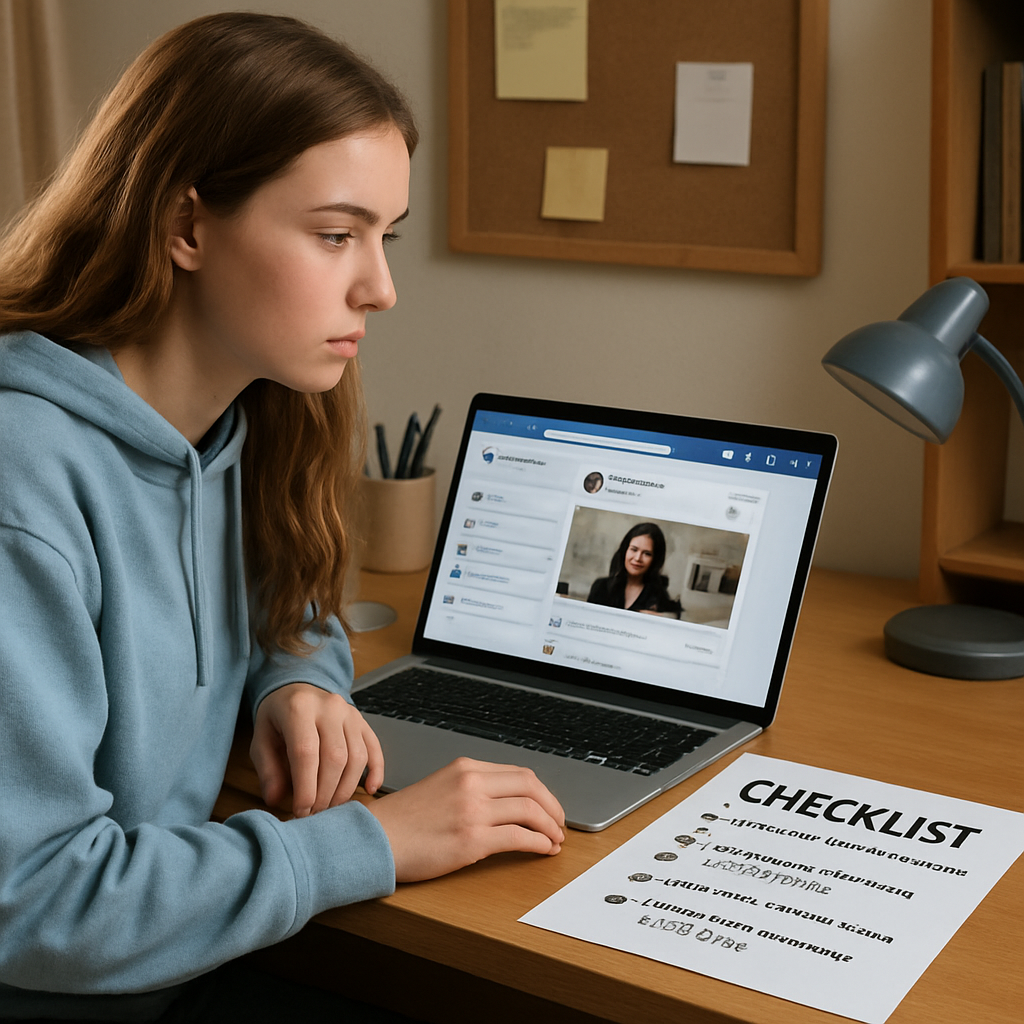
Another quick tip: set a reminder to revisit your notes after a week. Sometimes the initial excitement fades and you’ll notice details you missed the first time—like a hidden fee or a missing ingredient list. Updating your checklist entries keeps the process fresh and prevents old habits from slipping back in.
Now that you’ve got the steps down, try applying them to the last three posts that caught your eye. You’ll be surprised how often a quick “does it have a clear #ad?” or “what’s the evidence?” can save you time, money, and a lot of disappointment. And remember, if an influencer consistently fails the checklist, it might be time to hit unfollow and make room for creators who actually practice what they preach.
Balancing Influence: Strategies for Healthy Consumption
Okay, you’ve already spotted the good and the not‑so‑good. Now it’s time to actually manage the flow so your feed feels like a supportive study buddy, not a noisy cafeteria. The trick is to set up habits that let you reap the positives while keeping the hype in check.
1. Create a “micro‑audit” routine
Every time you land on a new post, ask yourself three quick questions: Is the creator being transparent? Does the content give me a concrete tip I can try right now? Is there any hidden agenda?
If you can answer “yes” to the first two, give the post a quick “save” or “like.” If not, scroll on. Doing this just five seconds a day builds a mental filter that becomes automatic.
In our experience, students who run this micro‑audit for a week report a 30 % drop in impulse purchases and feel more confident about the advice they follow.
2. Balance “process” posts with “product” posts
Notice whether an influencer is showing a step‑by‑step routine (like a study‑session timer) or merely flashing a product. Process‑focused content tends to stick because you can replicate it without spending money.
For example, Lina’s eco‑fashion videos often start with a quick “how I style recycled denim” walkthrough before she mentions the brand. That mix lets you learn a styling hack even if you never buy the exact jacket.
When you spot a pure product plug, pause and ask: Do I need this, or can I achieve the same result with something I already own? If the answer is “I don’t need it,” it’s safe to skip.
3. Set a weekly “influence budget”
Just like you budget your coffee money, decide how much you’ll spend on influencer‑recommended items each month. Write the amount in a simple spreadsheet or a notes app. When a new recommendation appears, check the budget column before you click “Buy.”
This tiny financial guardrail stops the “one‑time splash” mentality and forces you to evaluate true value.
4. Use a productivity timer to limit scrolling
Spending endless minutes scrolling can erode your focus. Try a Pomodoro‑style timer: 25 minutes of focused study or work, then a 5‑minute social‑media break. During that break, allow yourself to scroll, but keep it intentional.
Need a tool? Check out How to Build a Daily Pomodoro Habit for Consistent Productivity for a step‑by‑step guide that pairs nicely with a healthy influencer diet.
5. Join a community “accountability circle”
Find a small group of friends who also care about curating their feeds. Share one influencer recommendation each week—good or bad—and discuss whether it passed your checklist. Real‑world feedback adds a layer of social proof you can’t get from likes alone.
We’ve seen campus study groups use a shared Google Sheet to rate posts on transparency, usefulness, and cost. The collective rating often flags hidden sponsorships that one person might miss.
6. Bookmark the ethical‑influencing guide
When you need a deeper dive into what responsible creators look like, keep Ethical Influencing: Responsible Creators as True Role Models on your bookmarks. It’s a handy reference for spotting the subtle signs of genuine advocacy versus slick marketing.
Putting these steps together creates a balanced diet of inspiration: you get the motivation you crave, but you also protect your time, money, and mental space. So, next time you swipe, remember you have a simple toolbox ready to keep the good influence flowing and the noise out.
Case Studies: Real‑World Examples of Influencers as Role Models
When you scroll past a polished post, it’s easy to wonder, are influencers good role models? The answer isn’t a simple yes or no—it lives in the details of how they use their platform.
Turning Followers into Volunteers
During Global Volunteer Month, Points of Light highlighted six creators who swapped product plugs for real‑world impact. One of them, Taylor Moxey, built sustainable reading pods from repurposed shipping containers. Her Instagram stories not only showed the finished libraries but also walked viewers through the donation process, turning a casual like into a concrete act of literacy support. Read more about Taylor’s project.
What does that look like for you? Grab a notebook, note the cause that resonates, then set a tiny goal: share the post, donate $5, or volunteer an hour. The same three‑step pattern appears in every case study we’ve seen.
Advocacy Through Authentic Storytelling
Dani Aravich, a Paralympian, uses TikTok to demystify adaptive sports. Instead of a glossy promo, she films herself navigating a trail with a prosthetic, narrating the hurdles and the triumphs. Her followers comment with their own challenges, creating a peer‑support loop that feels more like a campfire chat than a marketing campaign.
Want to echo her approach? Choose one barrier you face, record a short clip explaining how you cope, and tag a hashtag that aligns with the community you want to reach. Authenticity invites conversation, and conversation builds credibility.
Entrepreneurial Kindness
Sir Darius Brown turned a personal speech delay into a pet‑fashion empire. His handmade bow ties for shelter dogs aren’t just accessories; they’re adoption boosters. By posting before‑and‑after photos of pups wearing the ties, he shows a measurable lift in adoption rates—something his audience can verify in the comments.
Takeaway: if an influencer ties a product to a measurable social outcome, you can replicate the logic. Look for a cause, create a simple product or service that supports it, and share the results transparently.
Youth‑Led Philanthropy
At 18, Hollis Belger founded “Juggling for Jude,” turning a soccer skill into a fundraising juggernaut that’s raised over $660,000 for St. Jude. She breaks down her strategy in bite‑size Instagram reels: set a clear goal, involve friends, and celebrate each milestone publicly.
How you can apply this: pick a hobby you love, set a fundraising target (even $20), and post weekly progress updates. The public accountability often turns a solo effort into a community movement.
Actionable Checklist for Spotting Role‑Model Influencers
- Do they link their content to a tangible social impact (volunteering, fundraising, advocacy)?
- Is the impact measurable or at least trackable (adoption rates, donation totals, volunteer hours)?
- Do they share the behind‑the‑scenes process, including failures?
- Can you see a clear call‑to‑action that’s easy to follow?
If you can answer “yes” to three of these, you’ve likely found a role model worth following.
Putting It Into Practice
Here’s a quick three‑day sprint you can try right now:
- Identify one influencer from the list above whose cause aligns with your interests.
- Engage with their latest post: comment a thoughtful question, share the post in your story, or donate a modest amount.
- Track the result—did you learn something new? Did you take a concrete step? Write a brief reflection and decide if you’ll keep the creator in your feed.
In our experience at Questions Young People Ask, students who run this mini‑audit report feeling more empowered and less likely to fall for empty hype. It’s a simple habit that turns scrolling into purposeful action.
So, next time you wonder, “Are influencers good role models?” remember the real‑world examples: they’re the ones who turn likes into libraries, hashtags into hikes, and reels into real change.
FAQ
Are influencers good role models for college students?
It depends on what they actually do, not just how many followers they have. Look for creators who share study hacks, mental‑health check‑ins, or sustainable habits that fit a student budget. When they admit mistakes—like a failed experiment or a missed deadline—you see a real person, not a polished ad. If you notice those traits, the influencer is more likely to be a useful role model.
How can I tell if an influencer’s advice is trustworthy?
First, check for clear #ad or “sponsored” tags. Then, see if they back up claims with personal results or external reviews. A good sign is when they walk you through the process: show the product, explain why it works for them, and invite you to test it yourself. Finally, skim the comments—authentic creators answer questions and own up to any flaws.
What red flags should I watch for?
Beware of vague promises like “this will change your life overnight” with no proof. If the post hides pricing, ingredients, or the brand partnership, hit pause. Also, watch out for creators who only post product shots without showing real‑world use. When the focus is always on selling and never on teaching, the influencer is probably not a good role model.
Can influencers help me build better habits?
Absolutely—when they break down a habit into bite‑size steps. For example, a fitness creator might post a 5‑minute dorm‑room stretch routine, link the playlist, and suggest a daily reminder. Replicating that exact routine for a week gives you a tangible result and shows the influencer’s advice works in practice. The key is copying the process, not just buying the gear.
How often should I audit the influencers I follow?
Try a quick “micro‑audit” once a month. Pick three recent posts, run them through our checklist—disclosure, evidence, real‑world demo, community response—and note any red flags. If two out of three posts fall short, consider unfollowing or muting that creator. A regular audit keeps your feed healthy and saves you from wasted time and money.
What if an influencer’s values don’t match mine?
If their core messages clash with what you care about—say, they promote fast fashion while you’re trying to be eco‑friendly—don’t force the fit. Unfollow or hide their content and seek creators whose values line up with yours. You’ll feel more motivated when the advice resonates with your own goals, and you’ll avoid cognitive dissonance.
How does Questions Young People Ask support me in evaluating influencers?
We provide practical checklists, real‑world case studies, and quick‑step guides that let you assess credibility without the fluff. Our resources walk you through spotting transparency, testing claims on a small scale, and tracking outcomes in a simple spreadsheet. By using our tools, you can turn scrolling into a purposeful habit‑building session.
Conclusion
So, are influencers good role models? The short answer is: it depends on how they show up in your feed.
If they admit mistakes, label sponsorships clearly, and actually use the products they recommend, you’re looking at a creator who can nudge you toward better habits. That’s the kind of influence that turns a casual scroll into a small win—maybe a 5‑minute stretch before a lecture or a reusable water bottle you actually keep.
But when the content feels like a nonstop sales pitch, or the values clash with yours, the answer flips. Those influencers add noise, not value, and the “role model” label falls flat.
What can you do right now? Grab a notebook, list the three influencers you follow most, and rate each on transparency, usefulness, and alignment with your goals. If any fall short, consider muting or unfollowing. You’ll free up mental space for creators who genuinely help you grow.
Remember, you control your digital diet. By applying the quick checklist we’ve built together, you’ll keep the good influence flowing and the hype out.
Ready to put this into practice? Take the three‑step audit today and see how your feed feels after a weekend of mindful scrolling.