
Is Reality TV Damaging or Harmless Fun?
Is reality TV harmful or harmless fun? Learn the mental health risks, surprising benefits, and simple tips to enjoy reality shows in balance.
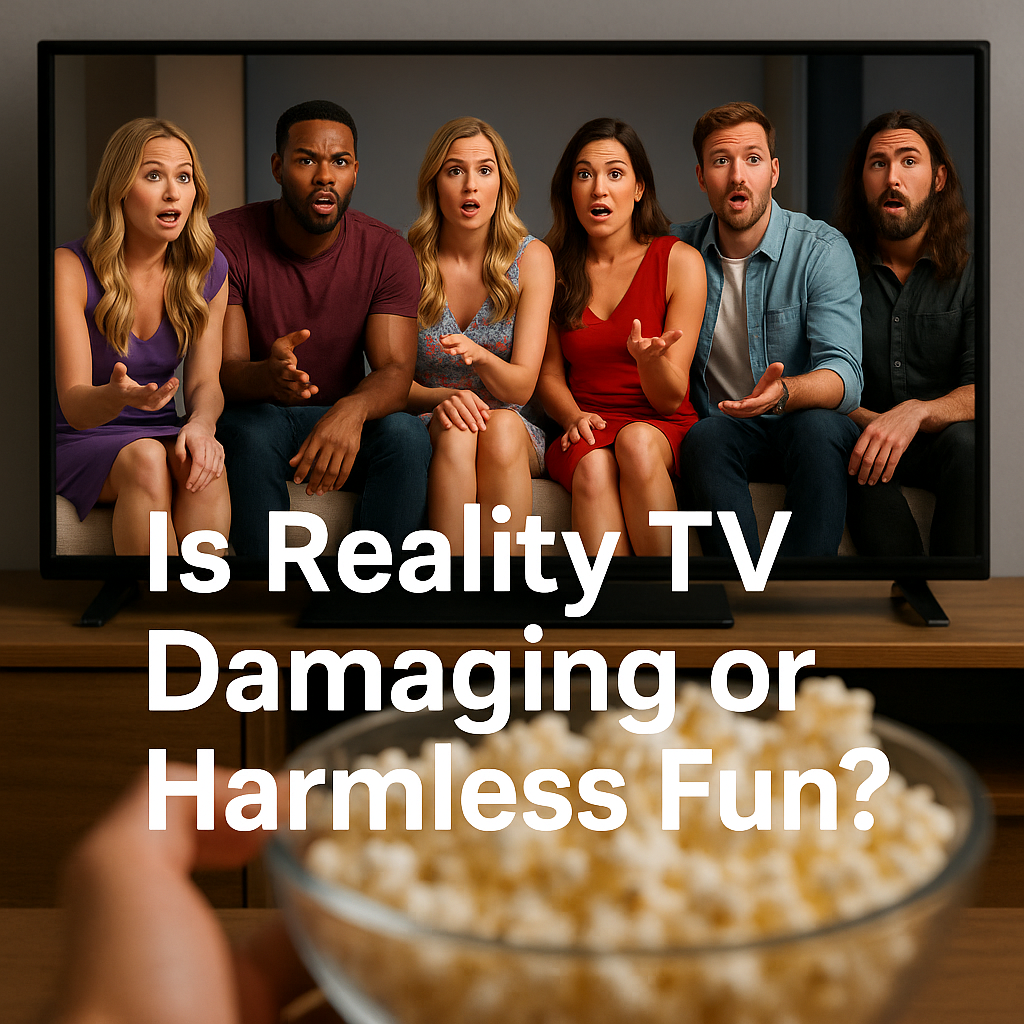
Imagine a Saturday night. You’re on the couch, a bowl of popcorn in hand, and the TV flashes a new episode of a reality show. The drama feels real, the laughs feel easy, and you’re hooked within minutes. That feeling is what many young people know well. They ask themselves, Is reality TV damaging or harmless fun? The question pops up in dorm rooms, chat groups, and family dinner tables. Some say it hurts the mind, others say it’s just a way to unwind. The truth sits somewhere in the middle, and finding it can help you watch smarter and feel better.
In this guide, we’ll walk through why reality TV grew so fast, what studies say about its impact, the good parts that many miss, and how you can keep your viewing balanced. We’ll give you clear steps you can try tonight. By the end, you’ll have a solid answer to Is reality TV damaging or harmless fun? and a plan that fits your life.
Let’s start with a quick look at how reality shows took over screens. Then we’ll dig into research on mental health. After that, we’ll see the bright side, add some practical tips, and finish with a short recap. Ready? Let’s go.
The Rise of Reality TV and Why It Captivates Audiences
Is reality TV damaging or harmless fun? That question pops up as soon as the genre exploded in the early 2000s. Shows like Survivor, Big Brother, and American Idol turned everyday people into stars overnight. Why did they catch on so fast? First, they felt real. Viewers saw people like them, not polished actors. Second, the drama was cheap to make but paid big ad bills.
And the format is simple. One group lives together, one person gets voted out, and the rest keep watching. The rule‑free vibe lets fans predict twists and talk about them online. That social buzz fuels more viewers, which fuels more buzz. It’s a loop that keeps the shows on the air.
But there’s more. Reality TV offers a chance to see different lifestyles. A teen in a small town can watch a cooking competition in Paris and feel a spark of wanderlust. That spark can turn into a hobby, a career, or just a new recipe to try at home.
Here are three reasons the genre stays strong:
- Relatability: Real people, real problems, real feelings.
- Instant drama: Conflict shows up fast, keeping eyes glued.
- Social sharing: Fans tweet, meme, and discuss episodes in real time.
And if you want a deeper dive into how screen time shapes habits, check out About Young People – Practical Answers to Your Questions. The site talks about the balance that many students look for.
So the genre’s rise is tied to its easy access, cheap production, and the human love of story. That sets the stage for the next big question: Is reality TV damaging or harmless fun?
Potential Psychological Harm: What the Research Says
Is reality TV damaging or harmless fun? Researchers have looked at this for years. Some studies link heavy binge‑watching to short‑term mood drops. One reason is that the constant drama can raise stress hormones, even if the conflict is staged.
But the picture isn’t all dark. A 2019 study on college students found that those who watched reality shows for less than an hour a day showed no change in anxiety levels. The key factor was **moderation**. Too much screen time, regardless of genre, can interfere with sleep and study habits.
And there’s the issue of body image. Shows that focus on looks can push unrealistic standards. Young viewers may compare themselves and feel less confident. That’s why many mental‑health experts suggest a critical eye: ask if the show’s portrayal matches real life.
Below is a quick look at the main concerns many scholars point out:
- Emotional overload: Fast‑paced drama can spike heart rate and make it hard to unwind.
- Sleep disruption: Late‑night episodes keep the brain active, delaying bedtime.
- Social comparison: Highlight reels of perfect lives can lower self‑esteem.
Imagine a student named Maya who watches a dating show every night after homework. She starts feeling jittery and finds it hard to focus in class. Her grades slip, and she blames the show. Maya’s story mirrors what some researchers call “media fatigue.” The fix? Cut back, set a timer, and replace the habit with a quiet activity.
Here’s a short step‑by‑step guide to spot early signs of harm:
- Notice if you feel tense right after an episode.
- Check if you’re staying up later than planned.
- Ask yourself if you compare yourself to the cast.
- If two or more answers are “yes,” try a viewing break.
Overall, the evidence says that reality TV is either damaging or harmless fun. It can be both, depending on how you watch. The next section shows why it can also bring real benefits.
Image Placeholder: 
Benefits and Harmless Fun: Positive Outcomes of Reality TV
Is reality TV damaging or harmless fun? Many people say it’s just a fun break, and research backs that view. Watching a light‑hearted show can lift one’s mood, much like a good joke. A 2021 survey of high‑school students found that those who watched reality shows a few times a week reported higher levels of short‑term happiness.
And the genre can teach skills. Cooking competitions show step‑by‑step recipes. Survival shows explain basic first‑aid tricks. Viewers often pick up a new skill just by watching. That practical side turns screen time into learning time.
Here’s a quick table of common shows and the pluses they bring:
| Show Type | Positive Takeaway |
|---|---|
| Cooking Competition | New recipes, kitchen confidence |
| Adventure/Survival | Basic outdoor skills, teamwork tips |
| Talent Hunt | Performance ideas, confidence boost |
| Social Experiment | Insight into human behavior, empathy |
But the fun isn’t just in learning. Reality TV also builds community. Fans gather online, discuss twists, and even meet at viewing parties. That social link can reduce feelings of isolation, especially for students far from home.
Consider the story of Luis, a freshman who moved to a new city. He joined a Discord server for a popular reality series. The chat gave him a place to talk, share memes, and feel part of a group. That connection helped his transition and lowered his stress.
Here are three ways to make the most of the good side:
- Pick shows with a learning angle: Cooking, DIY, or science‑based reality shows.
- Discuss with friends: Turn the episode into a short talk, share thoughts.
- Apply a tip: Try a recipe or a simple skill you saw on screen.
When you ask Is reality TV damaging or harmless fun? You can answer: it is harmless when you use it to learn, laugh, and link up with others.
Balancing Viewership: Practical Tips for Healthy Consumption
Is reality TV damaging or harmless fun? The answer lies in how you shape the habit. Below are easy steps you can add to your day without feeling like you’re missing out.
First, set a timer. Pick a limit—30 minutes or one episode. When the alarm rings, pause. This keeps binge‑watching from stealing study time.
Second, create a “watch‑and‑move” routine. After an episode, stand up, stretch, or walk to the kitchen. The break helps the brain reset and lowers stress.
Third, pick a show that matches your goals. If you want a laugh, go for comedy‑style reality. If you want skills, choose cooking or DIY formats. Matching the show to your mood makes the time feel useful.
Here’s a quick checklist you can print:
- ✅ Set a viewing timer (30‑45 min).
- ✅ Take a 5‑minute break after each episode.
- ✅ Write down one thing you learned.
- ✅ Share a funny clip with a friend.
- ✅ Log how you felt before and after.
And remember to keep your phone off during the show. Notifications pull focus and can raise anxiety. Put the device on “Do Not Disturb” and enjoy the episode fully.
Finally, if you notice the show is affecting sleep, move the viewing to an earlier slot. The brain needs downtime before bed, and a calm mind helps you wake up fresh for class.
Image Placeholder: 
By using these steps, you turn the question Is reality TV damaging or harmless fun? into a personal plan that leans toward harmless fun.
Conclusion
So, is reality TV damaging or harmless fun? The short answer: it can be both, but you hold the reins. The rise of the genre shows why it feels real and why it sticks. Research warns of stress, sleep loss, and comparison when you overdo it. Yet the same shows can teach recipes, boost your mood, and connect you to friends. The key is balance. Set limits, pick shows that add value, and pause to reflect.
Take the tips you’ve read, try them this week, and see how the shows fit into your life. When you feel good after an episode, you’ll know you’ve found the sweet spot. Want more advice on screen habits? Visit Practical Answers to Your Questions – About Young People for more tools that help young adults live well.
FAQ
Can watching reality TV affect my grades?
Yes, if you let it take time away from study or sleep. A short episode may be fine, but binge‑watching late at night can cut into focus time. Set a timer, watch earlier, and keep a study schedule to protect your grades while still enjoying a show.
Do reality shows teach real skills?
Many do. Cooking competitions often share full recipes, and survival shows demonstrate basic first‑aid moves. You can pause, note a tip, and try it later. Turning a viewing moment into a hands‑on practice makes the experience more than just entertainment.
How can I avoid feeling insecure after watching a beauty‑focused show?
Remember that editing and casting shape what you see. Ask yourself if the looks are realistic. Talk with friends about the pressure and focus on what you like about yourself. If the show still makes you feel down, take a break or switch to a lighter format.
Is it okay to discuss reality TV on social media?
Absolutely. Sharing thoughts can turn a solo habit into a group chat, which builds community. Just keep the conversation respectful and avoid spoilers for friends who haven’t watched yet. A quick comment can spark a fun debate and make the show feel more social.
What’s the best time of day to watch reality TV?
Early evening works well for most. Your brain is still alert, but you have time to wind down before bed. Avoid late‑night marathons that push bedtime later. Pair the show with a light snack and a short stretch break to keep the habit healthy.
How many episodes should I watch in one sitting?
Aim for one to two episodes, about 45‑60 minutes total. That limit helps keep stress low and leaves room for other activities. If you finish early, use the extra time for a quick walk, a chat, or a brief study session.
Can reality TV help me feel less lonely?
Yes, when you join fan groups or watch with friends. Shared jokes and theories give you something to talk about, which can cut feelings of isolation. Just be sure the online chats stay positive and don’t turn into endless drama.
Should I avoid reality TV if I have anxiety?
Not necessarily. Pick light-hearted shows and avoid those heavy on conflict or competition. Watch in a calm setting, set a timer, and stop if you notice a rise in nervousness. A mindful approach can keep the experience enjoyable.