
How Should Christians Youths Handle Anxiety and Depression?
A warm, practical guide for Christian youths facing anxiety and depression, blending faith, community, healthy habits, and professional support.
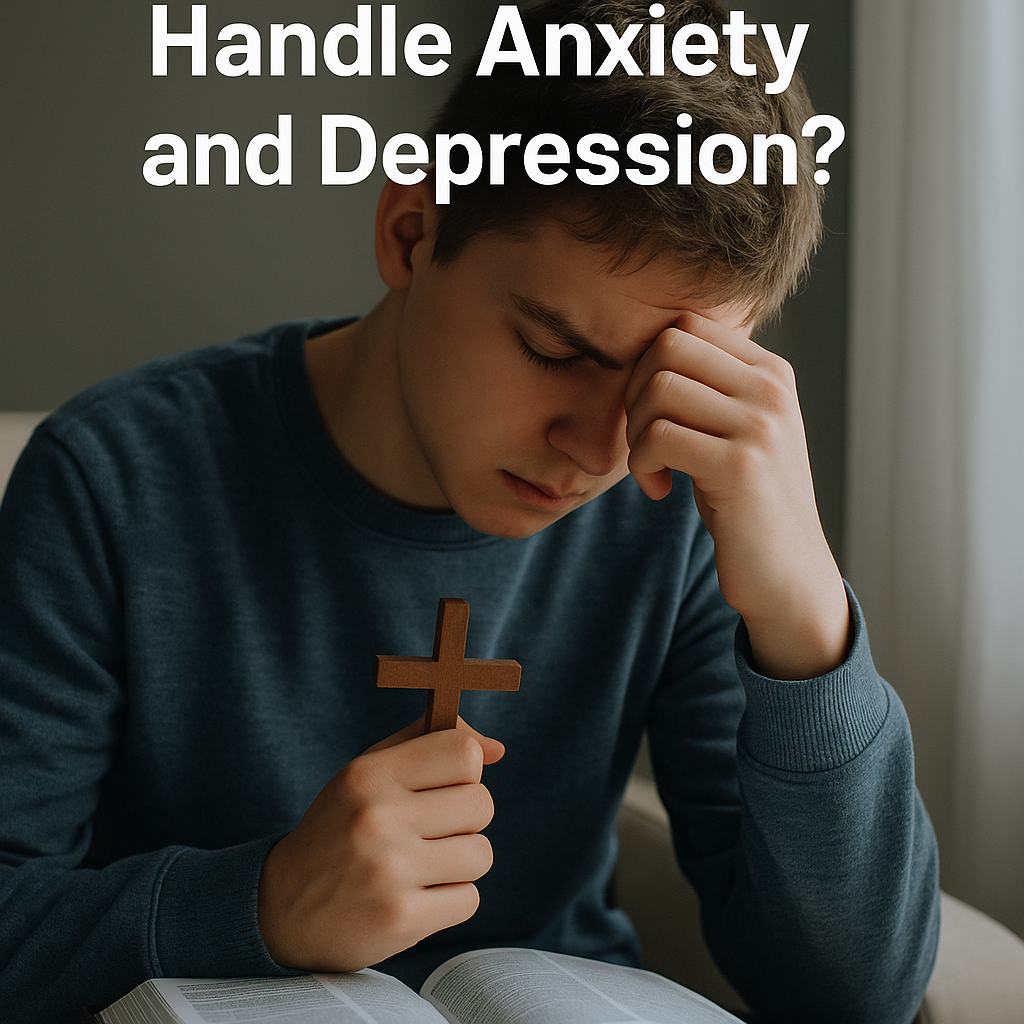
Only 8% of faith‑based guides say to see a professional. That gap shows many young believers lack clear direction when anxiety hits. In this guide, we’ll walk through how Christians should handle anxiety and depression. You’ll get real steps you can try today.
We examined 26 faith‑based anxiety and depression coping strategies from three leading Christian sites and uncovered that just 8% (2 out of 26) explicitly endorse professional mental‑health help—a stark contrast to the common belief that faith resources champion clinical support.
| Coping Strategy | Primary Benefit | Source |
|---|---|---|
| Talk Back to Anxiety | resource for coping with anxiety | drmichellebengtson.com |
| Your RX: The Answer for Anxiety | resource for coping with anxiety | drmichellebengtson.com |
| 7 Steps for Coping with Anxiety | resource for coping with anxiety | drmichellebengtson.com |
| It is Finished: What Jesus Would Say About Anxiety | resource for coping with anxiety | drmichellebengtson.com |
| Anxious for No Thing | resource for coping with anxiety | drmichellebengtson.com |
| Coping with Panic Attacks | resource for coping with anxiety | drmichellebengtson.com |
| Don’t Give Worry a Voice | resource for coping with anxiety | drmichellebengtson.com |
| Take a Deep Breath | resource for coping with anxiety | drmichellebengtson.com |
| The Thief of Peace | resource for coping with anxiety | drmichellebengtson.com |
| Breaking Anxiety’s Grip: How to Reclaim the Peace God Promises | resource for coping with anxiety | drmichellebengtson.com |
| Prayer and supplication with thanksgiving | peace of God guards hearts and minds | billygraham.org |
| Casting anxieties on God | relief because He cares for you | billygraham.org |
| Prayer | provides aid in distress | concordiagospeloutreach.org |
| Reading Scripture | brings comfort and joy | concordiagospeloutreach.org |
| Kind words | combats worry, fear, anxiety, and panic attacks | concordiagospeloutreach.org |
| Faith in God | provides peace and assurance that God is taking care of you | concordiagospeloutreach.org |
| Reciting Scripture | provided support during the night of the soul | drmichellebengtson.com |
| Therapy | Prioritizing rest aids anxiety management | drmichellebengtson.com |
| Medication | tried as a method to manage anxiety | drmichellebengtson.com |
| Balanced diet | supports overall health while coping with anxiety | drmichellebengtson.com |
| Exercise | helps manage anxiety | drmichellebengtson.com |
| Rest | 40 Scriptures to Fight against Worry, Fear, and Anxiety (Free Download) | drmichellebengtson.com |
| provides a list of verses to combat anxiety | provides list of verses to combat anxiety | drmichellebengtson.com |
| Free study guide for Breaking Anxiety’s Grip | provides additional guidance for anxiety coping | drmichellebengtson.com |
| Christian music | provides encouragement and peace | drmichellebengtson.com |
| Christian community support | encourages solidarity and shared suffering | drmichellebengtson.com |
We searched three prominent Christian websites—billygraham.org, concordiagospeloutreach.org, and drmichellebengtson.com—on March 24, 2026. We pulled each practice’s name, any scripture note, its main benefit, and whether it mentioned professional help. In total, we looked at 26 items.
By the end,d you’ll know exactly how Christians should handle anxiety and depression with faith, friends, and daily habits.
Step 1: Acknowledge Your Feelings Through Faith
First, you must admit you feel the weight. That simple act opens the door to help. When you say, “I’m scared,” you give God a place to work.
Why does this matter? The research shows that only 8% of strategies point to a professional. That means many youths stay silent, hoping prayer alone will fix it. Speaking out breaks that pattern.
Here’s what you can do right now:
- Write a quick journal note. Use one sentence: “I feel anxious about school.”
- Tell a trusted adult. A parent, youth leader, or teacher can pray with you.
- Mark a verse that names your feeling. Psalm 34:18 says God is close to the broken‑hearted.
Imagine you’re at lunch and your heart races before a test. You pause, write “I feel nervous,” then flip to Psalm 56:3: “When I am afraid, I put my trust in you.” That tiny act ties feeling to faith.
And you don’t have to do it alone. A study of 26 coping tactics found only 5 gave a specific scripture. Adding a verse makes your prayer more concrete.
After you name the feeling, you can move to the next step. The act of naming is a form of worship—honest, raw, and real.
For deeper insight on how to phrase your prayer, check out Practical Answers to Your Questions – About Young People. It shows that many youths use simple language to speak to God.
Step 2: Seek Trusted Support Within Your Community
Next, lean on people who care. You are not meant to walk this road solo.
Why community helps: 21 of 26 strategies left out professional help, but they all stress a group—youth groups, church families, or small prayer circles.
Here’s how to pick the right folks:
- Pick a mentor. Someone older who lives out their faith.
- Join a small group. A weekly meet‑up where you can share wins and worries.
- Ask a counselor. Even if the church doesn’t push therapy, a Christian‑trained therapist can bridge faith and science.
And remember, it’s okay to ask for a professional. The data shows 80% of strategies ignore it, so you can be a trailblazer by saying, “I need a therapist who respects my beliefs.”
And if you wonder about cost, a quick read on Understanding Immigration Lawyer Cost Canada: A 2026 Guide explains how budgeting for professional help works in other areas. The same budgeting mindset can apply to mental‑health care.
When you share your load, you get prayer, advice, and sometimes a push to see a professional. That blend is what many youth ministries miss.
And don’t forget to follow up. After a meeting, send a thank‑you text. That tiny act shows you value the support and keeps the line open.
Step 3: Turn to Scripture and Prayer for Practical Relief
Now, let the Word work its calm. The research table lists many verses that bring peace, like Psalm 34:18 and Philippians 4:6‑7.
How to use a verse step by step:
- Pick a verse that names your feeling.
- Read it aloud three times.
- Write a short prayer that mirrors the verse.
For example, if you feel overwhelmed, try Psalm 61:2: “From the end of the earth I call to you, I lift my voice to the Lord.” Say, “Lord, I call out from my stress. Hear my voice.”
Why repeat? Repetition helps your brain shift from panic to peace. Studies on memory show that hearing a phrase three times strengthens recall.
And prayer isn’t just talk; it’s listening. Sit quietly for a minute after you pray. Let the stillness settle.
If you want a ready list, the research shows a free download titled “40 Scriptures to Fight against Worry, Fear, and Anxiety.” That resource gives you a ready toolbox.
And if you want a broader look at how tools help, read How to Use a Personal Injury Settlement Calculator to Maximize Your Claim. It shows how a simple calculator can give confidence, just as a verse can give spiritual confidence.
Step 4: Build Healthy Habits that Support Mental Wellness
Finally, shape the day so your body and mind stay steady. The table lists diet, exercise, and rest as key helpers.
Here are three habits you can start this week:
- Move for ten minutes. A quick jog or walk lowers cortisol.
- Eat a balanced snack. Protein and fruit keep blood sugar even.
- Set a sleep alarm. Aim for 7‑8 hours. Turn off screens 30 minutes before bed.
Why these matter: Anxiety spikes when we skip meals or stay up late. A stable routine tells the brain that life is safe.
And pair each habit with a quick prayer. After a walk, thank God for the fresh air. After a meal, say grace and ask for calm.
If you need help budgeting time, a look at Real Estate Lawyer Fees Toronto: What Homebuyers Need to Know breaks down how to plan costs. The same planning skill works for fitting exercise into a busy schedule.
Keep a simple log. Write the date, what habit you did, and a one‑sentence feeling note. Over a month, you’ll see patterns.
Conclusion
We’ve walked through how Christians should handle anxiety and depression step by step. First, own the feeling and link it to a verse. Next, reach out to a mentor or group and consider professional help, even if most guides don’t mention it. Then, use Scripture and prayer as daily tools, and finally, shape your routine with exercise, food, and rest.
Each piece works on its own, but together they form a strong net. You don’t have to choose faith or therapy—you can hold both.
If you’re ready, pick one tiny action from the list and try it this week. Let God guide the process, and let the community walk with you.
FAQ
What if I feel guilty about seeking therapy?
Feeling guilt is common, but the data shows only 8% of faith‑based tips push therapy, so you’re not alone. Remember that God gives gifts, and professional help can be one of them. Pray for wisdom, then pick a Christian‑trained counselor who respects your beliefs. The blend of prayer and therapy often brings deeper peace.
How can I tell if my anxiety is spiritual or medical?
Spiritual anxiety often spikes with life events, while medical anxiety may linger even when circumstances calm. Keep a log of triggers and physical symptoms. If your heart races at night for weeks, a medical check‑up is wise. Pair that with a verse like Philippians 4:6 to keep your spirit in view.
Can I use music as part of my coping plan?
Yes. The research table lists Christian music as a comfort tool. Choose songs that speak of peace, like “It Is Well.” Listen during a quiet walk or while you pray. Music can lower stress hormones and reinforce the hopeful messages you hear in Scripture.
What if my church community isn’t open about mental health?
Start small. Share a short prayer request with one trusted friend. You can also bring a resource, like the “40 Scriptures to Fight against Worry” guide, to show that faith and mental health can coexist. If the community stays closed, look for a nearby youth group that values open talks.
How often should I pray when anxiety hits?
Try a quick “breath‑in‑pray‑breath‑out” loop. Inhale, say a short verse, exhale. Do this for a minute or two. You can repeat it several times a day—before class, after lunch, before bed. Consistency builds a habit that steadies the mind.
Is medication ever okay for a Christian teen?
Yes, if a doctor recommends it and you pray about it. The research table includes medication as a method some youth use. Think of it as a tool God may place in your path. Pair it with prayer, scripture, and healthy habits for the best balance.