
Should Christian Youths Participate in Cancel Culture?
Should Christian teens join cancel culture? Learn a biblical, practical approach to accountability that balances truth, grace, and restoration.
Cancel culture feels like a storm that hits fast and leaves many unsure of what to do next. If you’re a Christian teen wondering, “Should Christian Youths participate in cancel culture?” you’ll find clear, practical answers here. In this guide, we’ll break down what cancel culture really is, what the Bible says about calling each other out, the good and the bad for young believers, and step‑by‑step ways to act with love and truth. By the end, you’ll have a solid plan you can use today.
Understanding Cancel Culture
First, let’s answer the question head-on: Should Christian Youths participate in cancel culture? The short answer is that you need to know what the trend actually looks like before you jump in.
Cancel culture began as a way for people on social media to call out harmful behavior. It often starts with a tweet or video, then a wave of people share the post, demand apologies, and sometimes push for jobs or platforms to be lost.
In the Christian world, this has turned into a “Christian cancel culture” where believers quickly label someone a heretic or sinner based on a single comment. The result can be a swift loss of reputation, even if the person later repents.
One example that made headlines was a pastor who posted a controversial take on a political issue. Within hours, his church members posted his sermon clips, demanded he step down, and many left the congregation. The whole episode shows how fast a community can move from discussion to dismissal.
But why does this happen? The key driver is a desire for justice mixed with a fear of being linked to ideas that feel wrong. When you ask, “Should Christian Youths participate in cancel culture?” you must weigh the pull of quick justice against the call to slow, prayerful response.
Here are three common traits of cancel culture:
- Speed. The moment a problem is spotted, people act fast.
- Public shaming. The issue is aired on platforms where many can see.
- All‑or‑nothing. Either the person is fully “canceled” or fully accepted; little middle ground.
These traits can clash with how the Bible asks us to handle sin. For a deeper look at how some Christian groups have turned to cancel culture, see the article on Christian cancel‑culture scandals. It shows the tension between truth‑telling and the risk of hurting believers.
And here’s a real‑world skill you can practice: before sharing a post that calls out a mistake, pause and ask yourself if the goal is to heal or to shame. If the aim is healing, you’ll likely find a gentler way to respond.
Another useful tip is to check the source. Many viral posts lack context. Look for the full video, read the full article, and see if the person has already apologized or explained.
In short, the answer to “Should Christian Youths participate in cancel culture?” is not a simple yes or no. It’s about knowing the pattern, testing motives, and choosing a path that honors both truth and grace.
For a quick guide on making video content that can help you share a balanced view, check out AI Video Editing Tutorial: A Simple Guide for Business Owners. It shows how to edit clips without adding drama.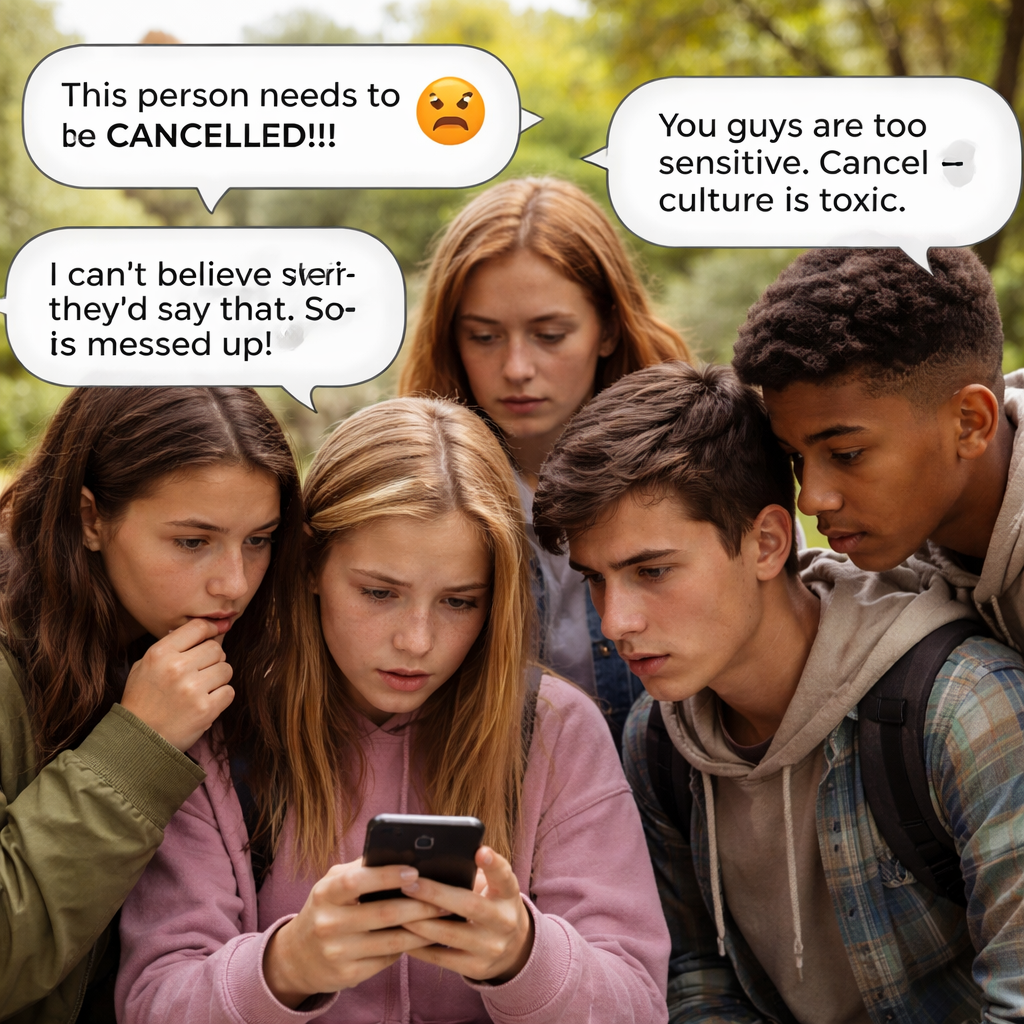
Biblical Perspectives on Public Accountability
Now that we’ve mapped the shape of cancel culture, let’s ask again: Should Christian Youths participate in cancel culture? The Bible gives us a picture of how believers should hold each other accountable.
First, the New Testament calls us to speak truth in love. That means we point out sin, but we do it with a gentle heart. Galatians 6:1‑2 says the helper should be “gentle” and “spirit‑filled.”
In practical terms, accountability looks like a trusted friend who knows your heart and can give honest feedback. The article on Christian accountability explains that we need people who are mature, gentle, and aware of their own temptations.
Imagine you’re a teen who sees a classmate post a hateful comment. Instead of immediately calling for them to be “canceled,” you could first talk to them privately, ask why they posted it, and offer a chance to apologize. That is a biblical model of public accountability.
Why does this matter? Because the Bible warns us against “judging” without mercy. Matthew 7:1‑5 tells us to remove the speck from our own eye before pointing out the log in another’s. This is a call to self‑examination before public shaming.
Here are three steps that line up with Scripture:
- Pray for the person and for wisdom.
- Check if you have a loving relationship with them.
- Speak the truth, but do it in a private setting first.
If the person refuses to listen, then you may consider a public response—but only after you’ve exhausted private avenues.
Now, let’s compare two common ways people act:
| Private Accountability | Public Cancelation |
|---|---|
| Gentle correction, offers grace, builds trust. | Quick judgment can cause shame and may break fellowship. |
| Allows room for repentance. | Often leaves no room for change. |
| Follows biblical pattern. | May reflect cultural pressure. |
When you keep these points in mind, the question “Should Christian Youths participate in cancel culture?” becomes clearer: they should participate only when they follow the biblical method of gentle, loving accountability.
For more ideas on how to host a small‑group accountability night, see How to Choose the Perfect Wedding Photo Booth Rental: A Step‑by‑Step Guide. It’s an odd link, but the planning steps mirror how you can set a safe space for honest talk.
Potential Benefits and Risks for Christian Youths
Let’s circle back to our main question: Should Christian Youths participate in cancel culture? The answer depends on weighing the upside and downside for a young believer.
One benefit is that speaking up can protect the community from harmful ideas. When a peer spreads false teachings, a careful call‑out can keep the church healthy. The GotQuestions page on cancel culture notes that “public consequences” can sometimes be biblical when they aim to correct serious sin.
But there are serious risks. A teen who jumps into a cancel campaign may become the target of backlash, lose friendships, or even face mental‑health strain. Social media’s fast pace means a single mistake can snowball into a lifelong scar.
Consider this real‑world scenario: A college student posted an unintentionally offensive meme. A group of peers called for the school to remove the student from a leadership role. The student’s GPA dropped, and he felt isolated. Later, the meme was explained, and the student apologized. The damage, however, lingered.
Why does this matter for you? Because your actions can affect both the person you’re calling out and your own witness. If you act out of anger, you may reflect a culture of “cancel” rather than a heart for redemption.
Here are some pros and cons to keep in mind:
- Pros: Encourages truth, protects the vulnerable, and can spark repentance.
- Cons: May cause shame, break relationships, create a “tribal” atmosphere.
To help you decide, ask these questions before you act:
- Is my motive love or anger?
- Do I have a personal relationship with the person?
- Have I tried a private conversation first?
- Will my action lead to restoration or just punishment?
If you answer “yes” to the first three and “no” to the last, you might need to rethink the public move.
Now, let’s add a concrete tip: keep a “response journal.” Write down why you want to speak out, what you hope to achieve, and how you’ll handle the outcome. This helps you stay grounded.
For an example of how a well‑planned event can bring people together instead of tearing them apart, see How to Choose the Perfect Prom Photo Booth Rental for an Unforgettable Night. The planning steps show how careful prep can avoid chaos—just like thoughtful accountability.
Practical Steps for Thoughtful Participation
So, should Christian Youths participate in cancel culture? The best answer is to act, but to act wisely. Below is a step‑by‑step guide you can start using today.
Step 1 – Pause and Pray. Take at least five minutes to ask God for clarity. A quick prayer can shift your heart from reaction to reflection.
After prayer, write down the main concern you have. Is it a false teaching, a hurtful comment, or a pattern of sin? Naming it helps you stay focused.
Step 2 – Check the Facts. Look for the source. Did the person say exactly what’s being shared? If you need a tool, try a simple fact‑check site or watch the full video.
When you’re sure of the facts, move to the next step. If you’re unsure, hold back. Mistakes can cause unnecessary harm.
Step 3 – Seek Private Dialogue. Reach out with a private message. Use language like, “I saw your post, and I’m worried. Can we talk?” This shows care.
If the person responds positively, you can work together toward a solution. If they ignore you, you may consider a public response, but only after you’ve tried private outreach.
Step 4 – Frame Your Public Message with Grace. If you must speak publicly, keep it short, factual, and hopeful. Avoid name‑calling. Use “I” statements: “I was hurt by the comment because….”
Also, offer a path forward. “I hope we can discuss this more in person and find a way to heal.” This invites repentance rather than exile.
Step 5 – Follow Up. After the public or private conversation, check back in. Ask if the person feels heard, and offer ongoing support.
Now, let’s add some extra tools you can use:
- Use a note‑taking app to track each step.
- Set a timer for how long you’ll stay online each day to avoid burnout.
- Find a mentor or older believer who can pray with you about the situation.
These habits keep you from getting swept up in the fast‑moving wave of cancel culture.
For those who like video tutorials, the guide How to Master AI Video Editing for Social Media shows how to edit a short, calm response video without adding drama.
Need more ideas on how to create a safe space for honest talk? Check out the Birthday Party Photo Booth Rental Guide for 2026. The step‑by‑step checklist for a fun, low‑pressure event mirrors how you can set a relaxed tone for accountability talks.
Looking for ways to keep your school group organized? See How to Choose the Best Corporate Event Photo Booth Rental for Your Business. The planning flow can be adapted to a youth group meeting agenda.
Want to add a tech twist? The Everything You Need to Know About 360 Video Booth Rental article shows how immersive video can help you share a calm message that reaches more eyes without screaming.
For a simple, portable option, read Mirror Photo Booth Rental: 7 Must‑Know Tips for an Unforgettable Event. It reminds us that a clear, reflective surface—like a mirror—helps us see ourselves honestly before we speak.
Thinking about local community outreach? The guide Photo Booth Rental Murrieta: A Complete Guide for 2026 Events shows how a community‑focused event can build bridges, a lesson you can apply when you aim to mend relationships.
Finally, for a graduation‑season example, see Photo Booth Rental for Graduation Party: A Step‑by‑Step Guide. It illustrates how to celebrate milestones while still keeping space for honest talks about future direction.
By following these steps, you answer the core question with a heart that seeks truth, shows love, and avoids the pitfalls of a rushed cancel culture.
FAQ
What does the Bible say about public shaming?
The Bible warns us to be gentle when correcting others (Galatians 6:1‑2). It also says we should not judge harshly (Matthew 7:1‑5). So, if you ask, “Should Christian Youths participate in cancel culture?” the biblical answer leans toward private, loving correction first, then public steps only if needed.
Can I share my concerns on social media without canceling?
Yes. You can post a calm, fact‑checked comment that invites dialogue instead of demanding removal. Use “I” statements, keep the tone respectful, and offer a path for the person to respond. This approach respects both truth and grace.
How do I know if my motive is love or anger?
Take a moment to pray and write down why you feel compelled to act. If the list includes words like “heal,” “restore,” or “protect,” you’re likely in love. If it reads “hurt,” “embarrass,” or “punish,” pause and seek counsel before moving forward.
What if the person refuses a private conversation?
If a private request is ignored, you may consider a gentle public note that states the concern and asks for a response. Keep it short, factual, and open‑ended. Remember, the goal is still restoration, not retaliation.
Are there any legal risks to canceling someone online?
Defamation laws vary, but making false claims can lead to legal trouble. Always verify facts, avoid exaggeration, and stick to what you personally observed. When in doubt, seek advice from a trusted adult or legal mentor.
How can I protect my mental health while dealing with online conflict?
Set boundaries: limit screen time, turn off notifications, and schedule breaks. Keep a journal to process emotions, and talk to a counselor or pastor if anxiety rises. Caring for your own heart helps you stay clear‑headed.
Is it ever okay to fully “cancel” someone?
Full cancellation may be appropriate when a person’s actions cause ongoing harm, and they refuse to repent. Even then, aim for a solution that protects the community while still offering a chance for redemption down the road.
What resources can help me learn more about healthy accountability?
Read the article on Christian accountability for biblical guidelines, and talk to a youth leader who can model graceful correction in real life.
Conclusion
Should Christian Youths participate in cancel culture? The answer isn’t a simple yes or no. It’s a call to move with wisdom, love, and prayer. We’ve seen how cancel culture works, what Scripture says about speaking truth, the pros and cons for young believers, and a clear set of steps you can follow. Use the pause‑and‑pray habit, check facts, seek private dialogue, and keep your public voice gentle.
When you act with a heart that wants restoration, you become a voice that points others back to Christ, not a tool of the culture’s quick‑fix mentality. Take the first step today: write down one situation you’ve seen online, pray over it, and try a private conversation before any public post. Your thoughtful choice can change a life and set a better example for your peers.
Need more help? Visit Practical Answers to Your Questions – About Young People for more guides on everyday challenges faced by teens like you.