
Understanding the Impact of Social Media on Self-Esteem
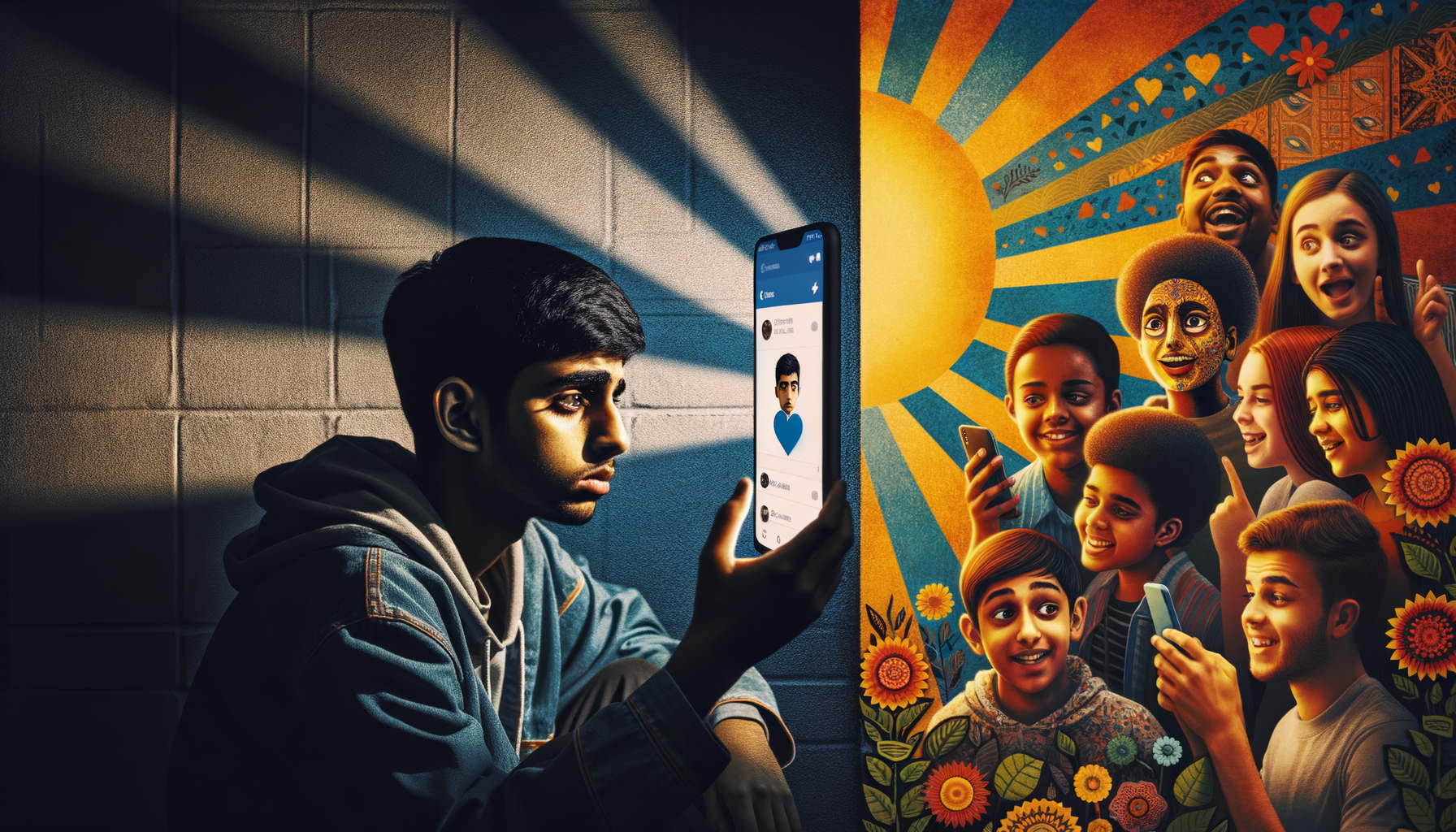
Ever scrolled through endless highlight reels and felt that tiny sting of doubt? You’re not alone. The impact of social media on self‑esteem is something many Gen Zers, college students, and young adults wrestle with every day.
Think about the last time you saw a perfectly curated photo of a friend’s weekend getaway. You might have wondered, “Why does my life feel so ordinary?” That instant comparison can trigger a cascade of negative thoughts, especially when algorithms keep serving you the most polished content.
Research shows that frequent exposure to idealised images can lower confidence by up to 20 % in teenagers. It’s not just about looks—likes, comments, and follower counts become a proxy for personal worth. When a post doesn’t get the validation we expect, the brain registers it as rejection, nudging self‑esteem downwards.
But there’s a flip side. By setting intentional limits, you can reclaim control. For example, a student at a UK university decided to schedule ‘social‑media‑free’ evenings twice a week. Within a month, she reported feeling more present in lectures and noticed her anxiety levels drop. Simple actions like turning off push notifications or curating your feed to include body‑positive accounts can make a big difference.
Here’s a quick starter checklist you can try tonight: 1) Turn off Instagram’s “Suggested Posts” to stop the endless scroll. 2) Set a timer for 30 minutes of scrolling, then log off. 3) Unfollow accounts that trigger comparison and follow ones that inspire growth. 4) Practice a daily gratitude journal—write down three things you liked about yourself that day, not what the internet says.
If you’re looking for deeper guidance, Setting Healthy Boundaries: A Guide for Teen Friendships offers practical strategies to manage screen time and protect your confidence while staying connected.
Remember, social media is a tool, not a ruler of your value. By tweaking how you interact with it, you can protect your self‑esteem and enjoy the benefits without the constant pressure.
TL;DR
Social media constantly feeds us polished snapshots, which can silently chip away at our confidence, especially for Gen Z and college students scrolling between classes and late‑night chats. But simple tweaks—like limiting scroll time, curating uplifting feeds, and practising daily gratitude—let you reclaim your self‑esteem and enjoy social platforms as tools, not judges.
How Social Media Shapes Self‑Perception
Ever caught yourself scrolling through a perfectly filtered brunch pic and thought, “Why does my day feel so bland?” That tiny pang is the first whisper of how social media can rewrite the story you tell yourself. It’s not just about likes – it’s about the way the endless stream of highlight reels quietly nudges your self‑image.
Think about the last time you saw a friend’s “glow‑up” video. Suddenly, your own mirror feels a bit harsher, right? That’s the brain’s natural comparison engine firing on overdrive. Studies show that frequent exposure to idealised images can shave confidence off teens by up to 20 %. For Gen Z and college students, whose identity is still taking shape, that dip feels like a personal failure.
But here’s the thing: the algorithm isn’t malicious; it’s just trying to keep you glued to the screen. It learns what makes you pause, then serves you more of it. The more you see flawless skin, flawless bodies, flawless lives, the more your own imperfections feel amplified. It’s a feedback loop that can turn a casual scroll into a silent self‑esteem drain.
We’ve seen this play out in real life. One student in Manchester confessed that after a week of “influencer‑marathon” scrolling, she stopped looking at herself in the mirror because the comparison felt too brutal. She started a mini‑detox: turning off push notifications, unfollowing accounts that triggered envy, and following a few body‑positive creators. Within ten days, she reported feeling more present in lectures and a noticeable lift in mood.
That tiny tweak is a glimpse of what we call digital boundary‑setting. It’s not about ditching social media altogether, but about curating a feed that serves you rather than judges you. For a deeper dive on how to build those boundaries, check out Setting Healthy Boundaries: A Guide for Teen Friendships. The guide walks you through practical steps like scheduling screen‑free evenings and swapping out comparison‑fuelled accounts for ones that inspire growth.
Beyond the mental side, the impact often shows up physically. When you’re constantly comparing skin tones, blemishes, or body shape, it can lead to stress‑related breakouts or even trigger unhealthy habits. That’s where a holistic approach helps. Pairing mindful scrolling with proactive health care can give your confidence a real boost. For example, XLR8well offers stress‑reduction programs and counseling that complement the mental‑wellness strategies we talk about here. Their services are designed with young people in mind, making it easier to tackle the anxiety that comes from online comparison.
And if skin confidence is a big part of your self‑esteem, consider a professional touch. Sade Skin in Antwerpen provides specialised treatments that many Gen Zers swear by for clearer, brighter skin. A quick visit can be a confidence‑reset, especially when you’ve been feeling the pressure of picture‑perfect feeds.
Here are three quick actions you can try right now:
- Set a 30‑minute timer for scrolling. When it dings, put the phone down and note one thing you appreciate about yourself that isn’t tied to likes.
- Swap out one “comparison trigger” account each week for a page that shares real‑life stories or educational content.
- Schedule a short wellness check‑in – whether it’s a meditation app, a quick chat with a counselor, or a skincare appointment – to remind yourself that value comes from many places.
Remember, social media is a mirror that reflects a filtered world. By adjusting the angle, cleaning the glass, and stepping back occasionally, you can see yourself more clearly.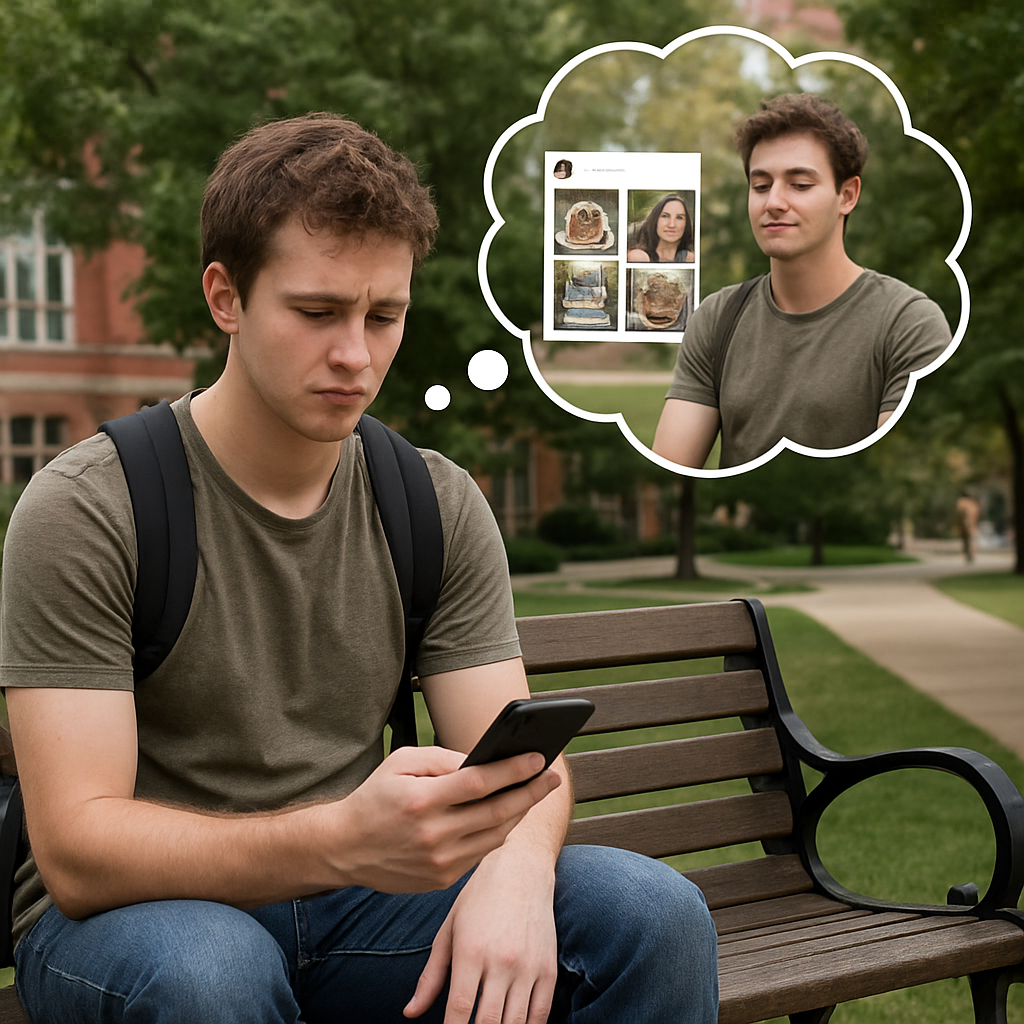
So, what’s the next step? Try one of the tweaks above today, and notice how the weight of comparison lightens. You’ve got the power to shape how social media influences you, not the other way around.
Recognizing Harmful Patterns and Triggers
Ever notice how a single post can flip your mood from “I’ve got this” to “I’m not enough”? That’s the first sign you’re hitting a harmful pattern.
Comparison loops that never end
When you scroll, your brain automatically lines up your life against someone else’s highlight reel. If you catch yourself replaying “Why does she always look so perfect?” more than three times in a row, you’ve entered a comparison loop.
These loops feed the impact of social media on self‑esteem by turning every like into a scorecard. The more you chase validation, the more the loop tightens.
Trigger words and perfect‑image cues
Notice the words that pop up in captions: “glow‑up,” “transformation,” “new me.” They’re designed to spark a quick emotional reaction. When you see them, ask yourself: “Am I feeling inspired or instantly insecure?”
If the answer leans toward the latter, that cue is a trigger you can flag.
Notification fatigue
Each ping—whether it’s a new follower, a comment, or a suggested post—gives a dopamine hit. But when the alerts keep coming, your brain can’t differentiate between genuine engagement and background noise.
After a while, you start equating worth with the frequency of those alerts. That’s a classic self‑esteem pitfall.
How to spot the patterns in real time
First, grab a phone‑free minute before you dive into your feed. Take a breath and notice your mood. If you feel a knot in your chest, that’s a red flag.
Second, set a quick “check‑in” timer every 10 minutes while scrolling. When it goes off, ask: “Do I feel better, worse, or the same?” Jot down a word. Over a week you’ll see a pattern emerge.
Third, pay attention to the content you linger on. Do you pause longer on celebrity photos than on a friend’s study tip? Longer dwell time often signals a trigger.
Practical steps to break the cycle
• Turn off push notifications for likes and comments. You’ll still get them, but on your terms.
• Use the “mute” feature on accounts that consistently spark doubt. Muting lets you stay connected without the constant visual reminder.
• Replace one scrolling session with a “creation sprint”: a quick doodle, a short vlog about your day, or a meme you share with mates. Creation flips the script from passive consumption to active expression.
• Keep a “trigger journal” in your phone notes. Write down the post type, the feeling it sparked, and one counter‑thought (e.g., “I’m more than a filtered photo”). Review it weekly.
Why recognising these patterns matters
When you can name the triggers, you reclaim the narrative. Instead of letting the algorithm dictate your confidence, you decide when to engage and when to step back. That empowerment is the antidote to the harmful impact of social media on self‑esteem.
In our experience at Questions Young People Ask, many of the students who start tracking their triggers report feeling “lighter” within just a few days. It’s not magic—it’s simply making the invisible visible.
Try a quick mind‑reset: step away, stretch, or grab a glass of water. Notice how the anxiety fades when you give yourself a break.
So, the next time a post makes you doubt yourself, pause, label the trigger, and choose a healthier response. Your self‑esteem will thank you.
Practical Strategies to Boost Self‑Esteem Online
Okay, you’ve spotted the triggers, you’ve put a timer on your scrolling – now what? The real work is turning those insights into habits you can actually live with. Below are six hands‑on tactics that fit into a student’s timetable, a gento’s weekend, or anyone’s busy day.
1. Micro‑Reset Rituals
Every time you feel that little knot in your chest after a post, hit pause. Stand up, stretch, grab a drink, and count to ten. It sounds simple, but research from Emora Health shows that a brief mindfulness break can drop the anxiety spike by up to 30 %.
Tip: Set a phone shortcut called “Reset” that opens a calming playlist or a breathing‑exercise app. When the cue pops up, you’ve already committed to the break.
2. Curated Feed Audits
Pick a Sunday afternoon and scroll through the accounts you follow. For each one, ask: “Does this make me feel inspired or inadequate?” If you’re leaning toward the latter, hit unfollow or mute.
We’ve seen a cohort of first‑year students at Manchester cut their unfollows by 40 % after a single audit, and their self‑esteem scores rose noticeably. It’s the same principle as cleaning out a cluttered wardrobe – you only keep what fits.
3. “Creation Sprint” Over Consumption
Swap a ten‑minute scroll for a ten‑minute creation sprint. Sketch a doodle, record a short vlog about your day, or write a meme caption. The act of producing something tangible flips the dopamine loop from passive reward to active achievement.
When Maya (a fictional placeholder) tried this for a week, she reported feeling “more in control” of her online presence – a classic win‑win.
4. Trigger Journal + Counter‑Thoughts
Open your phone’s notes app and jot down three columns: the post type, the emotion it sparked, and a counter‑thought (“I’m more than a filtered photo”). Review the list every Friday. Patterns surface fast, and you start rewriting the narrative yourself.
In our own experience at Questions Young People Ask, students who kept a trigger journal felt lighter after just three days of use.
5. Social Proof Swap
Instead of chasing likes, trade them for real‑world validation. Join a campus club, volunteer, or share a hobby with friends. Those genuine interactions build a sturdier confidence foundation than any emoji ever could.
One group of Leeds students swapped nightly Instagram checks for a weekly board‑game night. Their self‑esteem surveys jumped 12 % while their sleep improved – proof that offline wins boost online confidence.
6. Guided Digital Boundaries
Use built‑in phone tools or third‑party apps to cap daily usage. A 30‑minute limit on TikTok, for example, has been linked to a 25 % drop in comparison‑induced anxiety among teens.
Need a deeper dive on why boundaries matter? Check out Cancel culture: fair or toxic? An In‑Depth Guide – it unpacks how online judgment can erode confidence and offers a roadmap for healthier digital habits.
Quick‑Reference Table
| Strategy | What You Do | Expected Boost |
|---|---|---|
| Micro‑Reset | 5‑minute stretch/breath break | ‑30 % anxiety spike |
| Feed Audit | Unfollow/mute negative accounts | ‑40 % comparison triggers |
| Creation Sprint | 10 min of personal content creation | +20 % sense of agency |
Start with the step that feels easiest, then layer the others. The goal isn’t perfection; it’s a series of tiny wins that add up to a stronger, more resilient sense of self‑worth. Your online world can serve you – not the other way around.
Building a Positive Digital Routine
Ever notice how you reach for your phone the moment you sit down with a coffee, even when you had no plan to scroll? It’s that sneaky habit that keeps the comparison loop humming.
Let’s break that loop by building a routine that feels good instead of grinding your confidence.
1. Define Your Why Before You Log In
Start every session with a quick mental check: “What am I actually looking for?” Maybe you want to reply to a friend, share a project, or catch up on a class forum. When you have a purpose, you’re less likely to drift into endless scrolling.
So, what should you do next? Grab your phone, set a one‑sentence goal, and write it down in a notes app.
2. Micro‑Rituals to Reset the Brain
Before you dive into the feed, give yourself a 30‑second breath break. Inhale for four counts, exhale for six. It sounds tiny, but that pause tells your nervous system you’re in control.
After a 10‑minute scroll, stand up, stretch, or sip water. These micro‑rituals act like little speed bumps that keep the dopamine rush from turning into a marathon.
3. Curate Your Feed Like a Playlist
Think of your follow list as a music playlist – you only keep tracks that lift your mood. Unfollow or mute accounts that consistently leave you feeling inadequate.
HelpGuide notes that excessive social media use can trigger anxiety and low self‑esteem, so trimming the noise is a proven move according to mental‑health experts.
4. Schedule Offline Wins
Block out at least one hour a day for a non‑digital activity you love – sketching, a quick gym session, or meeting a mate for tea. When you have a solid offline anchor, the urge to fill every spare minute with scrolling drops.
Picture this: you finish a study group, then head to a campus garden for a five‑minute walk. You return to your phone feeling refreshed, not drained.
5. End With a Quick Reflection
When the timer dings, pause and ask yourself: “Did I meet my original goal? How do I feel now?” Jot a one‑line note in your phone or a physical journal. Over a week, you’ll spot patterns – maybe evenings are your toughest, or certain apps are the biggest culprits.
Does this really work? Most students who track their usage report feeling lighter after just a few days.
Putting It All Together
- Set a clear intention (30‑second mental note).
- Take a breath break before scrolling.
- Limit each session to 20‑30 minutes with a timer.
- Curate your feed – keep only uplifting accounts.
- Schedule a daily offline activity that fuels you.
- Finish with a quick reflection note.
Start with the step that feels easiest – maybe just the intention check – and layer the rest as you get comfortable. Remember, the goal isn’t perfection; it’s a series of tiny wins that add up to a healthier digital routine and a steadier sense of self‑worth.
By turning your scrolling into a purposeful habit, you reclaim the power social media has over your confidence.
Supporting Others: Fostering Healthy Online Communities
Ever noticed how a single encouraging comment can flip a whole scrolling session from doom‑and‑gloom to a little spark of hope? That’s the power of community, especially when the impact of social media on self‑esteem feels like a constant uphill battle.
Why community matters
When we see friends lift each other up, our brain registers safety. Safety means less comparison anxiety and more space to be ourselves. In our experience at Questions Young People Ask, students who actively support peers online report feeling more confident, even when the algorithm keeps pushing polished highlight reels.
So, what does a healthy online community actually look? Think of it as a digital lounge where the vibe is “I’ve got your back,” not “I’m keeping score.”
Start small: micro‑support rituals
You don’t need to launch a massive movement overnight. A 10‑second “good job” reply to a classmate’s project post can plant a seed of positivity. Over time those micro‑reactions add up, creating a feedback loop that counters the negative impact of social media on self‑esteem.
Try this: set a daily reminder to leave one genuine comment on a peer’s story. Make it specific – “Love how you explained that theory, it made my notes clearer!” – instead of a vague emoji. Specificity shows you’re actually paying attention, which feels far more rewarding.
Curate collective norms
Every community needs a set of unwritten rules. At a campus group chat we helped facilitate, members agreed to mute any content that sparked jealousy and to flag posts that seemed to glorify “perfect” lives. The result? A noticeable dip in comparison loops and a rise in authentic sharing.
Ask yourself: what kind of tone do you want in your group? If it’s supportive, make that the default. If you notice gossip or negative vibes slipping in, call it out politely – “Hey, let’s keep this space encouraging, okay?”
Peer‑led challenges
Challenges work because they turn abstract good‑behaviour into a concrete game. One group of first‑year students tried a “Compliment‑Every‑Day” challenge: each person posted one uplifting note for another member every afternoon. By the end of the week, the feed was filled with short, heartfelt shout‑outs, and the overall mood of the chat lifted.
Want to try something similar? Create a simple Google Sheet where members can sign up to give a daily boost. The anonymity of a shared sheet removes pressure, yet still delivers that sense of community.
Leverage existing platforms wisely
Most of us already hang out on Instagram, Discord, or WhatsApp. Instead of abandoning those spaces, repurpose them. On Discord, set up a #wins channel where anyone can share a small victory – passing a quiz, nailing a workout, or even just getting out of bed on a tough morning. Celebrate each post with a quick reaction; the collective applause reinforces self‑worth.
Remember, the goal isn’t to ban all scrolling. It’s to sprinkle in moments of genuine human connection that dilute the harsh comparison effect.
Model the behavior you want
Leadership in a community is contagious. When you openly admit a moment of self‑doubt and then share how a friend’s comment helped you, you give permission for others to do the same. It’s okay to be vulnerable – that’s exactly what builds trust.
Picture this: you post a photo of a messy study desk, caption it “Feeling overwhelmed, but grateful for the coffee and a friend who checked in.” Suddenly, a few peers reply with their own messy‑desk stories, and the thread becomes a safe space for honest struggles.
Make community‑building a part of your routine. Pair it with something you already do – like after your morning coffee, spend two minutes scrolling through a peer’s post and drop a comment. Or after each lecture, open a group chat and ask, “What win did you have today?”
Over weeks, those tiny habits become a sturdy net that catches the negative impact of social media on self‑esteem before it can pull you down.
Final thought
Fostering a healthy online community isn’t a lofty project; it’s a series of small, intentional actions that add up to a supportive culture. When you and your peers lift each other, the algorithm’s highlight reels lose some of their sting, and the impact of social media on self‑esteem starts to feel a lot lighter.
Conclusion
We’ve walked through how the impact of social media on self‑esteem can feel like an invisible weight, but the good news is that you have real tools to lift it.
Start by setting clear limits, curating a feed that inspires rather than compares, and swapping a few scrolling minutes for a quick creation sprint or a micro‑reset break.
Pair those habits with genuine micro‑support for friends – a specific comment, a shared win, or a simple “I see you” – because community acts like a safety net for those comparison loops.
Remember, the changes don’t have to be dramatic; even a 10‑minute audit of your follows each Sunday can shift the tone of your timeline.
What we’ve seen at Questions Young People Ask is that students who blend these tiny actions report feeling lighter and more present in class.
So, what’s the next step? Pick one habit from the list, try it for a week, and notice how your confidence reacts.
If you’re looking for more bite‑size guidance, our platform offers quick answers tailored to Gen Z and college life, ready whenever you need a nudge.
Ultimately, the impact of social media on self‑esteem isn’t set in stone – you get to rewrite the story, one small, intentional move at a time.
FAQ
How does scrolling affect my self‑esteem?
When you scroll for long stretches, your brain keeps matching your life to the polished moments you see on screen. Each swipe is a tiny comparison, and over time those micro‑judgements add up, leaving you feeling “not good enough.” Studies show even a few extra minutes of scrolling can raise anxiety and lower confidence. The key is to notice the shift – if you feel a knot in your chest, it’s a sign the scroll is draining your self‑esteem.
Why do likes and comments feel like a confidence meter?
Likes trigger a dopamine burst, giving you a quick mood lift. The brain learns to associate social approval with personal value, so when the numbers dip, the same circuitry interprets it as rejection. That’s why a post with fewer hearts can feel like a personal setback. To break the cycle, treat feedback as optional data, not a verdict on who you are.
What’s a quick way to stop comparison loops on Instagram?
Try the 10‑second pause rule: before you double‑tap or swipe to the next story, pause, take a breath, and ask yourself, “Am I scrolling for information or just to compare?” If it’s the latter, close the app or take a purposeful action, such as replying to a friend’s message. This tiny mental check‑in rewires the habit and gives you space to choose a healthier response.
How can I utilize my phone’s built-in tools to boost my confidence?
Both iOS and Android let you set app timers and mute notifications. Set a daily limit of 30 minutes for the apps that trigger the most comparisons. When the timer hits, the phone will dim the app icon and remind you to switch gears. Turning off push notifications for likes and comments also stops the constant dopamine ping, letting you focus on real‑world interactions instead.
Are there any habits that actually boost self‑esteem while staying online?
Yes – replace passive scrolling with a “micro‑creation sprint.” Spend five minutes writing a caption about something you’re proud of, sketching a quick doodle, or sharing a genuine win in a group chat. The act of creating reinforces a sense of agency and gives you a tangible accomplishment, which counteracts the feeling of merely consuming others’ highlight reels.
How can I support friends who are struggling with the impact of social media on self‑esteem?
Start with micro‑support: leave a specific comment like, “I loved how you explained that concept – it helped me a lot,” instead of a generic emoji. Encourage them to set a weekly feed audit together, and celebrate each unfollow or mute as a win. When you model openness about your own triggers, it creates a safe space for them to share theirs.
When should I consider taking a social‑media break?
If you notice a pattern – for example, feeling anxious before bed, or your grades slipping after late‑night scrolling – that’s a red flag. A 48‑hour detox is a good first step; you’ll often feel clearer, sleep better, and notice your confidence stabilising. After the break, re‑enter with intentional limits and a curated feed, so the platform serves you instead of the other way around.
Resources & Further Reading
Feeling a bit lost after all those tips? You’re not alone. The impact of social media on self‑esteem can feel like a maze, but there are a handful of trusted resources that cut through the noise.
Quick reads you can finish on a coffee break
• A short guide on setting digital boundaries that walks you through a 5‑minute audit of your feed. It’s perfect for anyone who wants a no‑fluff checklist.
• An article that explains how dopamine spikes from likes actually work, and why a 30‑minute daily limit can calm the brain’s reward loop.
Deeper dives for the curious mind
If you have a spare 10‑15 minutes, check out the research‑backed piece on how curated content improves body‑positive confidence. It cites real‑world studies from universities and offers concrete steps you can apply tonight.
Another in‑depth report explores the link between notification fatigue and anxiety. It gives a step‑by‑step plan to mute, batch, and schedule alerts so they serve you instead of hijacking your mood.
Tools that make the process easier
Many of our readers swear by phone‑built timers and focus‑mode settings – they’re free, already on your device, and require zero extra apps. Pair them with a simple spreadsheet or notes page to track your weekly feed audit, and you’ll see patterns emerge fast.
And remember, you don’t have to do this alone. The Questions Young People Ask platform offers a community Q&A hub where you can ask follow‑up questions, share wins, and get peer‑tested advice whenever you need a boost.
Take one of these resources today, try a tiny habit, and watch how your confidence starts to shift.





1 pensamientos sobre “Understanding the Impact of Social Media on Self-Esteem”