
Is modesty about clothing still important today?

Is modesty about clothing still important today?
Ever caught yourself scrolling past a TikTok where someone’s outfit sparked a heated comment thread, and you wondered, “Is modesty about clothing still important today?” You’re not alone. Many Gen Z and college students grapple with the balance between self‑expression and cultural expectations, especially when campus life feels like a runway and social media amplifies every look.
Think about that moment when you walked into a lecture hall, and a classmate’s bold outfit made you feel both inspired and a bit uncomfortable. It’s a tiny flash of tension that hints at a larger conversation: does what we wear still carry the weight of modesty, or have we moved beyond those old rules?
In our experience at About Young People – Practical Answers to Your Questions, we’ve seen young people navigate this terrain in three common ways. First, some lean into minimalist wardrobes—think neutral tees, high‑waisted jeans, and layered pieces—that let them control how much skin they reveal without sacrificing style. Second, others adopt “intentional dressing,” in which they ask themselves what story each outfit tells before putting it on. Third, many follow the vibe of their peer groups, which can shift dramatically from a laid‑back coffee shop to a formal networking event.
So, how can you decide what feels right for you? Here are three actionable steps you can try right now:
- Pause and write down three values that matter most to you—confidence, comfort, and cultural respect. Let those guide your outfit choices.
- Experiment with a “modesty trial week.” Choose outfits that cover a bit more than you usually would, then note how you feel in different settings.
- Ask a trusted friend for honest feedback. Sometimes an outside perspective reveals hidden biases we didn’t notice.
Real‑world example: Maya (not a real person, just a typical scenario) switched from low‑cut tops to high‑neck blouses for a month. She discovered she felt more focused in class and received fewer comments about her appearance, allowing her energy to shift toward academics.
Another student, Alex, tried layering—adding a lightweight cardigan over a graphic tee. The extra layer gave him flexibility: he could remove it when the campus gets warm, but it also kept his look polished during presentations.
Bottom line: modesty isn’t a one‑size‑fits‑all rulebook. It’s a personal compass that can evolve with your style, environment, and the messages you want to send. By reflecting on your values, testing new approaches, and seeking feedback, you’ll find a wardrobe that feels authentic without sacrificing confidence.
Historical roots of modesty about clothing
When you look back at the way people dressed centuries ago, you start to see modesty isn’t just a fashion fad – it’s a cultural conversation that’s been evolving for millennia. Think about the ancient Greeks, who prized the drape of a well‑folded chiton as a sign of civic virtue, or the Roman toga that signaled citizenship and status. In both cases, the amount of skin shown was tied to who you were and how you wanted to be perceived.
Fast forward to medieval Europe, and the story gets even richer. The Church promoted loose, covered garments not merely for decency but as a visual reminder of spiritual humility. Sumptuary laws even dictated what classes could wear, linking modesty to social order. You can picture a young monk in a simple woolen habit, feeling a quiet confidence that his clothes weren’t competing for attention.
Religious traditions and the dress code
Across the world, major faiths have left a lasting imprint on modesty norms. In Islam, the concept of hijab extends beyond a headscarf – it’s about a holistic approach to self‑respect and community values. In Hinduism, the sari or dhoti can be draped in ways that honor tradition while still allowing personal flair. Even within Christianity, modesty has shifted from the austere habits of the 1800s to the more relaxed, yet intentional, styles you see on college campuses today.
These religious roots matter because they show modesty isn’t a static rulebook; it’s a language that adapts to the time and place. When you ask, “Is modesty about clothing still important today?” the answer lies in how those age‑old ideas intersect with modern identity.
Colonial influence and the birth of “Western” modesty
Colonial expansion exported European modesty standards around the globe, often overwriting local dress customs. Victorian England, for example, popularized high necklines, long sleeves, and corsets as the epitome of respectability. Those standards lingered in many former colonies, shaping contemporary expectations for both men and women.
At the same time, the 20th‑century feminist movement challenged the idea that a woman’s worth was tied to how much she covered. The 1960s and ’70s saw the rise of the mini‑skirt, a bold statement that personal freedom could be expressed through revealing clothing. That rebellion planted the seed for today’s nuanced dialogue: we’re not choosing between “cover up” or “bare all,” but navigating a spectrum that feels authentic.
Modern campus culture meets historic modesty.
College campuses are microcosms where centuries of modesty ideas collide with pop culture, social media, and personal branding. A student might wear a high‑neck blouse because it echoes the modest values they grew up with, yet pair it with a bold accessory that says, “I’m also here to stand out.” That blend is exactly what we see when young people experiment with layering, modest‑focused streetwear, or gender‑fluid outfits.
What’s fascinating is how technology amplifies these choices. A quick scroll through Instagram can expose you to a global tapestry of modest fashion – from Korean hanboks to African kaftans – and you end up remixing bits that resonate with your own story. It’s a digital version of the ancient trade routes that once carried silk and spices, only now the cargo is ideas about how we dress.
Why the past still matters for today’s decisions
Understanding the historical roots helps you see modesty as a toolbox, not a set of constraints. If you’re feeling pressure from peers to wear something that feels off‑brand, ask yourself: Is this a modern trend, or is there a deeper cultural signal I’m missing? Recognising the lineage behind a garment can turn a simple outfit choice into an act of self‑definition.
So, when you pause in the hallway and wonder if modesty still matters, remember you’re standing on a long line of people who used clothing to signal respect, identity, and belonging. By tapping into that history, you can make choices that feel both rooted and fresh – a balance that feels just right for the campus‑era you live in.
Cultural and religious perspectives on modesty today
Let’s be real: modesty isn’t a single rulebook anymore. It’s a mix of beliefs, traditions, and personal choices that collide in crowded shared spaces—from dorm bathrooms to lecture halls.
Is modesty about clothing still important today? For many students, yes, but for different reasons. Some see it as a reflection of faith or cultural heritage. Others treat it as a practical tool—to stay focused, to avoid unwanted attention, or simply to feel comfortable in a fast-paced campus day.
Different lenses, common ground
In Islamic cultures, modesty often carries both spiritual and social weight. Loose-fitting garments and covered silhouettes aren’t just about hiding; they’re about dignity and community norms. The goal isn’t to erase identity but to create a shared space where people are judged by actions, not appearances.
Christian traditions have long linked humility with dress. On campuses, that can translate into neat, unfussy outfits that don’t shout for attention. It isn’t about policing style; it’s about reducing distractions so learning can happen.
Other cultural strands
In South Asian communities, modesty can be tied to family expectations and seasonal or ceremonial contexts. You’ll see outfits that balance color and coverage, signaling respect for elders or a particular event. In East Asia, Confucian influences sometimes favor understated tones in formal settings to preserve social harmony and focus on the group over the individual.
From tradition to today’s campus life
So what does this mean for a Gen Z student balancing self-expression with tradition? It means modesty can be a flexible compass rather than a rigid rule. You might choose to cover a bit more during class presentations or exams when you want to feel less scrutinized. You might opt for brighter accents on a night out with friends because the moment calls for it. The key is intentionality.
Ask yourself: what story do I want my clothes to tell in this moment? Does covering a bit more help me stay focused? Am I respecting a cultural context without losing my voice?
Practical takeaways
- Identify two or three values you want your wardrobe to communicate—confidence, respect, practicality—and use them as your guide.
- Try a “modesty check” before you dress: Would this outfit distract me from my goals today?
- When in doubt, seek quick feedback from a friend who knows your context—not everyone needs to agree, but a trusted voice helps.
In our experience at About Young People, these conversations help young people steer their style with intention. And yes, platforms like About Young People make this easier by offering practical questions to guide how you dress for different settings.
Ultimately, modesty today is about choice with intention, not restriction. If you want a quick framework, ask yourself: is this outfit helping me learn, connect, or feel confident? If yes, you’re probably on the right track. Take small steps.
Psychological and social benefits of modest dressing
Let’s be honest: the pressure of being watched on campus can turn even a simple outfit into a mental wearing contest. Modesty, chosen with intention, can ease that burden. When you align what you wear with your goals, you free mental space to focus on learning, relationships, and your next step.
The psychological win comes from feeling in control. You decide where attention lands in class, on your projects, or your leadership in a club, rather than on what you barely cover. That sense of agency builds confidence that lasts beyond the hallway comments.
Socially, modest dressing can cut through awkward moments and unsolicited opinions. It acts like a social lens that says, “I’m here to connect, not perform.” People tend to respond to a calm, consistent presence, which makes conversations flow more naturally and helps group projects move along.
It’s not about hiding your personality. Modesty isn’t a straitjacket; it’s a framework that lets you express color, texture, and style within boundaries. Layering a cardigan, choosing a neckline that suits your comfort level, or picking a color palette that signals approachability are small, practical levers.
In classrooms, exams, and internships, a modest look can reduce distraction for others and for you. When your appearance signals focus, attention shifts to your thinking. That shift matters when you’re trying to land a job, earn a scholarship, or get peer support for a tough assignment.
Our brains are tuned to cues. Clothing that reads as intentional communicates reliability and seriousness without saying a word. Does this really work? Yes, in focused environments, modest outfits correlate with calmer, more professional impressions, without making you feel old-fashioned.
But again, modesty is a spectrum. Some days you want brighter colors to express energy; other days you want subdued tones to blend in for a presentation. The goal is to know when to push and when to pull back, not to police yourself.
What about peers and community? When you choose modest outfits, you invite others to judge your ideas, not your dress. It can reduce the chance of comment storms that derail study sessions or club meetings. This smoother social terrain helps you build connections faster.
Try a practical test: for one week, pick outfits that cover a bit more than you usually would in class and at events. Note how your concentration, mood, and interactions shift. You’ll likely notice they’re improved when you’re comfortable and not preoccupied.
If you’re unsure where to start, a quick guide is simply: identify two or three values your wardrobe should communicate, run them through your daily outfits, and pick pieces that support that message.
And if you want more guidance tailored to Gen Z campuses, platforms like About Young People offer practical questions to guide how you dress for different settings.
Bottom line: Is modesty about clothing still important today? For many of us, yes, when it’s chosen, intentional, and you’re the author of your story. You can dress for focus, connection, and confidence and still own your style.
Practical tips for incorporating modesty into a modern wardrobe
Let’s be real: modesty today isn’t a one-size-fits-all rule. It’s a personal compass you adjust with your schedule, vibe, and goals. Some days you want to blend in; other days you want to signal focus and confidence. That’s okay.
So, is modesty about clothing still important today? Yes, when you use it to manage distractions, respect your environment, and stay true to your values.
In our experience at About Young People, what works best is turning modesty into practical choices rather than moral judgments. Think of it as a toolkit you can tweak for class, clubs, or a night out with friends.
Define what modesty communicates to you.
Start by naming two to three messages you want your outfits to send today—focus, approachability, professionalism. Write them on a sticky note and keep it on your mirror. When you reach for a piece, check: does it support that message, or does it pull attention away?
- Confidence without exposing too much
- Professional vibe in class or internships
- Respect for cultural or campus norms
Build a flexible capsule wardrobe
A capsule keeps you from panic shopping and helps you mix pieces without drawing extra attention. Aim for 8–12 core items you can layer and remix across settings.
- Two to three neutral tops (black, white, beige)
- One to two modest necklines per top option
- A few bottoms that pair with everything (pants, midi skirts)
- A lightweight cardigan or jacket
- A versatile dress in a modest cut
- Quality fabrics that drape well and breathe
Layering for adaptability
Layering gives you control. A cardigan, blazer, or lightweight scarf can transform the same base outfit from casual to polished in seconds.
It also helps with temperature shifts on campus and provides options for different settings without needing a full new outfit.

Smart shopping and maintenance
Choose fabrics that hold shape, like cotton blends or wool blends. Look for versatile colors that mix and match. Prioritize fit and comfort over trendiness; you’ll wear pieces longer and feel more confident.
- Test fit at different angles; sit, stand, bend to ensure no gaping or pinching
- Avoid overly busy prints that can become distracting
- Invest in a few key pieces you actually love and will wear weekly
Testing and iteration
Give it a week’s trial. Swap one item for a slightly more covered version and notice how you feel in class, in clubs, in presentations. Does it help you focus? Do you get fewer unsolicited comments? The small experiments add up fast.
So, what’s the next step? Pick two outfits for the coming week that meet your messages, then wear them with intention. Keep a quick note of how each setting responds and adjust accordingly. If you want more tailored guidance, platforms like About Young People make this easier by offering practical questions to guide how you dress for different settings.
Comparing modesty approaches: minimalist, faith‑based, and sustainable
Ever wonder how the same question—Is modesty about clothing still important today?—Can end up with three totally different wardrobes? That’s because modesty isn’t a one‑size‑fits‑all rule; it’s a set of approaches that line up with what matters most to you.
First up, the minimalist vibe. Think neutral tees, high‑waisted jeans, and layered basics that let you dial the amount of skin you show without sacrificing style. The goal isn’t to look boring; it’s to keep decision‑fatigue low so you can focus on classes, projects, or a coffee chat. You’ll notice you spend less time scrolling for “what to wear” and more time actually being present.
Next, the faith‑based route. Here, the story changes: clothing becomes a quiet expression of deeper values—whether that’s respect, humility, or community belonging. A high‑neck blouse or a modest‑cut dress isn’t just a fashion choice; it’s a reminder of a spiritual promise you’ve made to yourself. It can feel grounding, especially when campus life gets loud.
Finally, the sustainable angle. This one marries modesty with the planet. You pick pieces that cover you and also last longer—organic cotton tees, recycled‑fabric jackets, timeless silhouettes that won’t go out of style next season. The payoff? Fewer fast‑fashion buys, a smaller carbon footprint, and a wardrobe that feels purposeful.
So, which approach feels right for you right now? Maybe you’re drawn to the clean lines of minimalism, or perhaps the intentionality of faith‑based dressing resonates more. Or you could be all about that eco‑friendly vibe. The good news is you don’t have to lock into just one—mixing elements can give you a hybrid that fits any day on campus.
Here’s a quick way to see the differences at a glance:
| Approach | Core Focus | Best For |
|---|---|---|
| Minimalist | Streamlined basics, neutral palette, low decision‑fatigue | Students who want a hassle‑free wardrobe that still looks polished |
| Faith‑based | Values‑driven modesty, cultural or spiritual symbolism | Those who want clothing to reflect deeper beliefs and community norms |
| Sustainable | Eco‑friendly fabrics, durability, timeless design | People who care about the planet and want long‑lasting pieces |
Imagine this: you have a morning lecture, a group project meeting, and an evening hangout. With a minimalist base (a black tee and straight‑leg jeans), you add a modest‑cut cardigan for the project meeting—meeting the faith‑based desire for coverage. Then you switch to a recycled‑fabric bomber for the night out, ticking the sustainable box. One capsule, three approaches, zero wardrobe crisis.
Does this feel doable? Absolutely. Start by pulling three items from each category that you already own. Ask yourself: “Does this piece help me feel focused, respected, or responsible?” If the answer is yes, keep it; if not, consider swapping it out.
And remember, modesty isn’t about hiding your personality. It’s about choosing the right canvas for it. A bright scarf, a textured tote, or a pair of statement shoes can still shout your style while the base stays modest.
Try a quick experiment this week: dress using one of the three lenses each day and jot down how you feel in class, with friends, and while studying. You’ll likely spot patterns—maybe the minimalist look keeps you sharp, while the sustainable outfit boosts your mood because you know you’re doing good for the planet.
Bottom line: whether you lean minimalist, faith‑based, or sustainable, the answer to “Is modesty about clothing still important today?” stays the same—it matters as long as it serves your goals, values, and well‑being.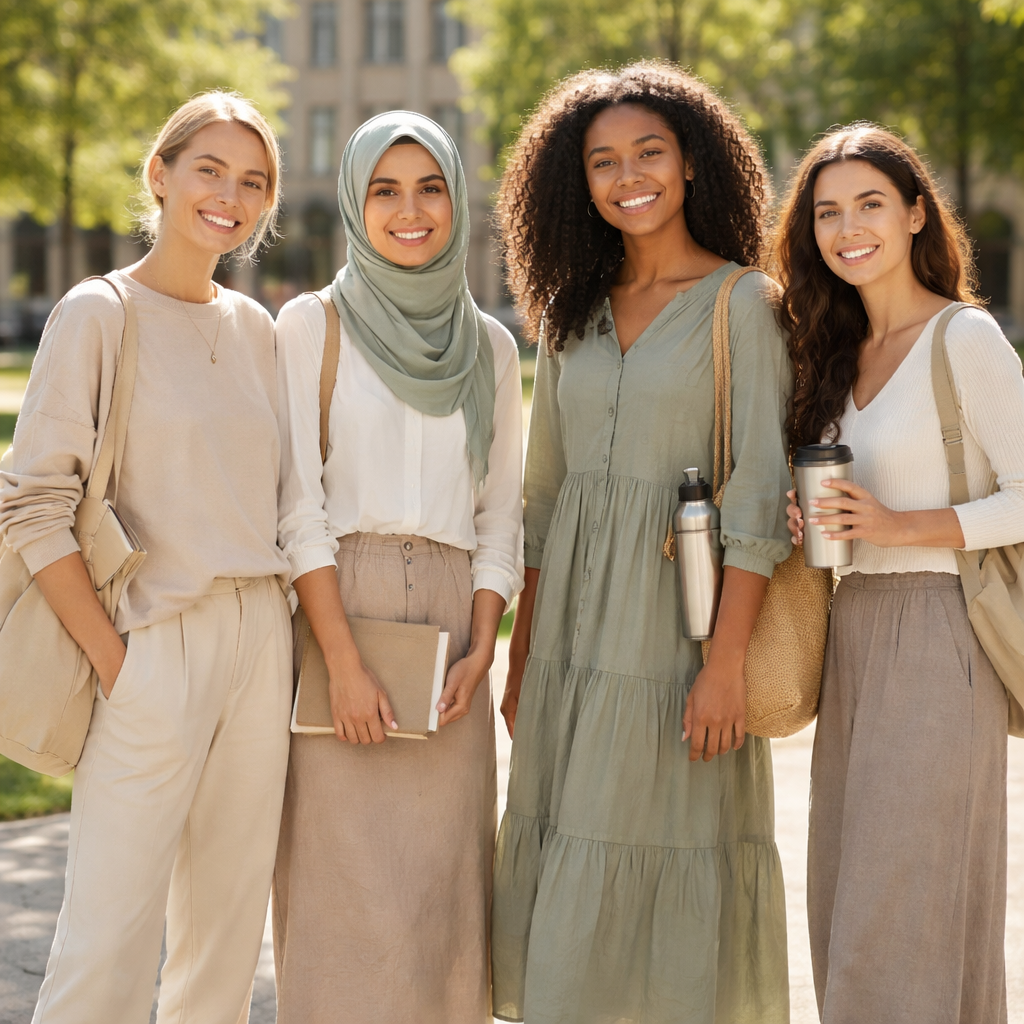
Conclusion
After wandering through history, culture, and the day‑to‑day hustle of campus life, the answer to Is modesty about clothing still important today? is a clear “yes—if it serves you.”
We’ve seen how a minimalist tee can keep decision‑fatigue low, how a modest‑cut blouse can echo faith‑based values, and how sustainable fabrics can make your wardrobe feel purposeful. The common thread is intentionality: you choose what covers you because it aligns with your focus, confidence, or sense of respect.
So here’s a quick recap you can actually use. First, write down two or three values you want your outfits to broadcast. Second, pick one piece each day that checks those boxes—whether it’s a high‑neck sweater for a big presentation or a recycled‑material jacket for a study group. Third, note how you feel after each class or meetup. That simple feedback loop turns modest dressing from a vague idea into a concrete habit.
Remember, modesty isn’t a rule that locks you in; it’s a flexible tool you can adapt as your schedule, mood, or goals shift. If you’re ready to experiment, start with a “modesty trial week” and watch how your focus, comfort, and confidence evolve.
Got questions or need a bit of guidance? Platforms like About Young People are built to help you map those values to real‑world wardrobe choices, so you never have to choose between style and substance.
FAQ
What does modesty in clothing mean for Gen Z students today?
Modesty today isn’t a rule you memorize. It’s a practical way to show up in class, at a lab, or during a study group. For Gen Z students, it often means outfits that keep focus on ideas, not appearances. You’re still you—just deliberate.
When you start with 2–3 values like comfort, focus, and respect, your clothes become a map for the day. That clarity reduces second-guessing and frees energy for talking, learning, and friendships. It’s about voice, not visibility.
How can I practice modest dressing on a busy campus schedule?
On a busy campus, start with a simple toolkit: a capsule of 8–12 core pieces that mix and match easily. Layering a cardigan or blazer lets you shift from casual to polished in seconds.
Choose fabrics that travel and keep their shape—cotton blends, wool blends, breathable knits. Try a week‑long routine: pick outfits that cover a bit more in class, log how you felt, and tweak. Practical prompts from About Young People help you stay intentional, not overwhelmed.
Can modesty co‑exist with personal style and self‑expression?
Modesty isn’t a cage—it’s a canvas. You can still express yourself with color, texture, and accessories while keeping coverage where you’re most comfortable.
Pair bold scarves, interesting jewelry, or standout shoes with modest necklines and longer hemlines. The trick is balance: let your personality show in detail, not in how much skin you reveal. This blend feels authentic and confident on campus.
What practical steps can I take to test modesty preferences this semester?
Test modesty preferences with a simple week‑long routine. Do a quick modesty check before dressing: would this outfit distract me from my goals? Would I feel confident presenting in this look?
Log outcomes for a week, rotating two modest silhouettes and swapping in one bolder piece for contrast. Watch how teachers, peers, and teammates respond, and note how you felt in class and during group work. If you want guidance, we offer practical questions to guide the process without turning it into a production.
How does modesty affect classroom focus and social interactions?
When you wear something that makes you feel grounded, you free mental bandwidth for notes, questions, and participation.
In social spaces, modest outfits often invite conversations about ideas rather than appearances, leading to smoother interactions and better connections. Over time, this can boost confidence and presence in clubs, meetings, and internships. It’s not a magic fix, but the energy shift is real for many students.
Are there different cultural or religious perspectives on modesty that still fit campus life?
Yes. Modesty means different things in different cultures and faiths, but the core idea is choosing what helps you learn and belong. Some students prefer traditional coverings; others blend modest silhouettes with current fashion.
The common thread is intention—dress to support your focus, values, and respect for others. On campus, you can express that intention while honoring norms by asking: Am I comfortable? Does this signal my message? Will it help me stay engaged?